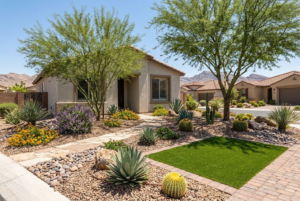

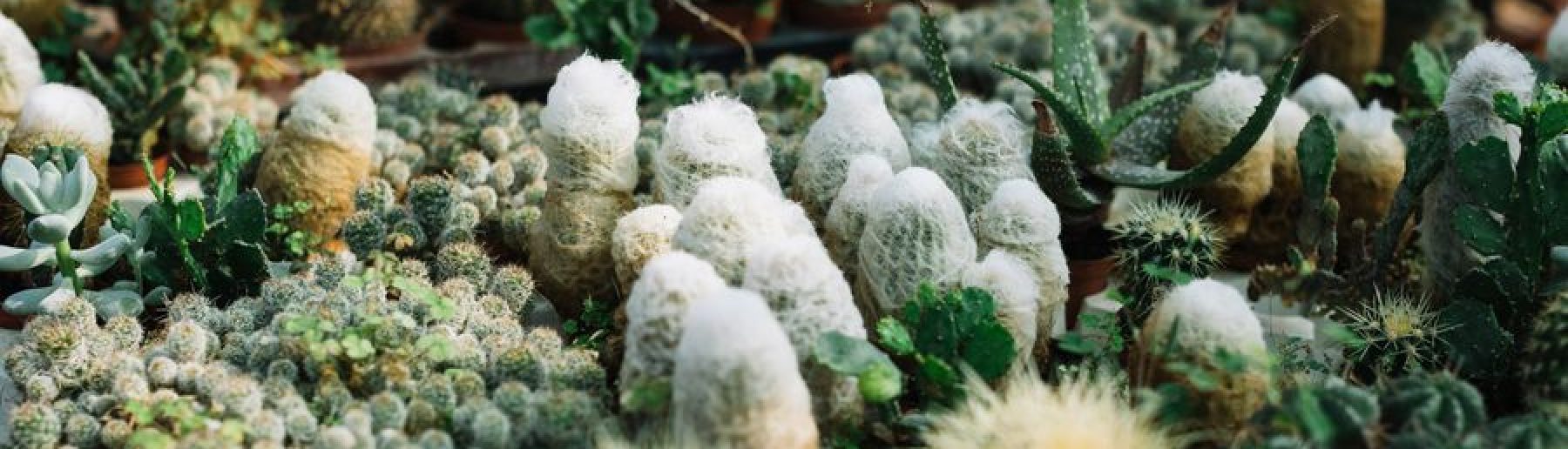
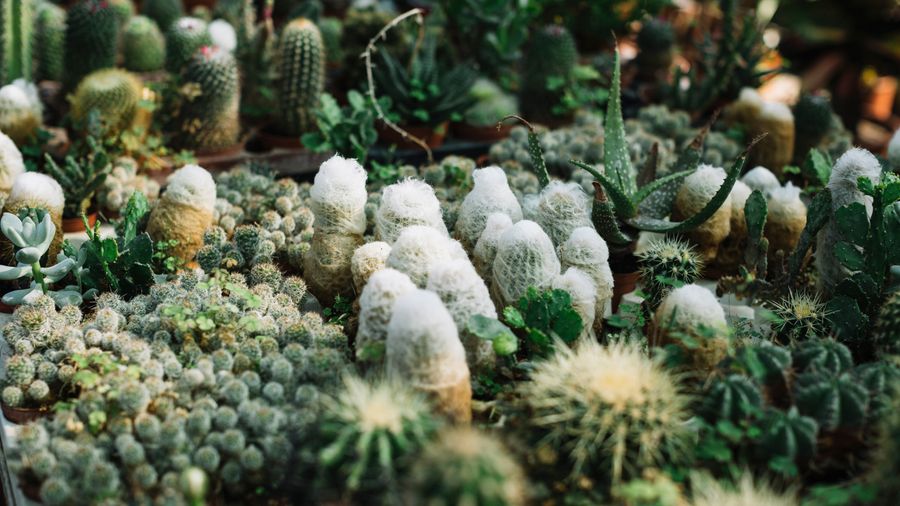
Las Vegas yards are built for cactus gardens. The Mojave desert climate, extreme heat, alkaline soil, and minimal rainfall, is exactly what most cactus species evolved for. Done right, a cactus garden is one of the lowest-maintenance, highest-impact choices a Las Vegas homeowner can make. It reduces water use, qualifies for SNWA landscape rebates, and looks good year-round without the upkeep that grass or tropical plants demand.
This guide covers the best cactus species for Zone 9b, how to design a layout that works in Las Vegas soil and sun, and what to know before you plant.
How to Make a Cactus Garden
The process is straightforward, but Las Vegas conditions require a few specific adjustments most general guides skip.
Choose the Right Location
Most Las Vegas yards get more than enough sun, 6 to 8 hours of direct sunlight is the minimum, and most desert cacti handle full-day exposure without issue. Avoid low-lying spots where water pools after monsoon rains. Las Vegas gets its heaviest rainfall between July and September, and standing water will rot cactus roots fast.
Break Through Caliche
Las Vegas soil commonly has a hardpan caliche layer beneath the surface. If you hit it during planting, break it up or drill a drainage hole through it. Caliche traps water at the root zone, which is one of the most common reasons cacti fail in local yards.
Prepare the Soil and Plan Your Layout Before You Plant
Mix native desert soil with coarse sand or decomposed granite at roughly a 50/50 ratio to improve drainage. Avoid standard potting mix it retains too much moisture for desert species. Account for mature spread, not just current size. A Golden Barrel reaches 3 to 4 feet wide. A Saguaro can eventually hit 40 feet tall. Space accordingly.
Plant and Water Correctly
Dig holes slightly wider than the root ball, not deeper. Set the plant at the same depth it was growing in the container. Backfill with your amended mix and firm it gently. Water once after planting to settle the roots. After that, established desert cacti in Las Vegas typically need watering only every 2 to 4 weeks in summer and once a month or less in winter. Overwatering is the leading cause of cactus death in residential yards.
Top-Dress with Gravel or Decomposed Granite
A 2 to 3 inch layer around the base controls weeds, stabilizes soil temperature, and keeps moisture from sitting against the stem.
Best Cactus Plants for Las Vegas Yards
These species perform consistently well in Zone 9b and are common across Las Vegas and Henderson properties.
Golden Barrel Cactus (Echinocactus grusonii)
One of the most popular choices in Las Vegas landscaping. Slow-growing, spherical, and striking against decomposed granite or white rock. Reaches 3 to 4 feet wide at maturity. Full sun, minimal water, and tolerant of Las Vegas summer heat. Plant in groups of three or five for the best visual impact.
Saguaro (Carnegiea gigantea)
The most iconic Sonoran Desert cactus and a statement piece in any Las Vegas yard. Slow-growing — expect 1 inch per year for the first several years — but worth the patience. Produces white flowers in late spring that attract wildlife. Requires excellent drainage and full sun. Plant away from structures to account for eventual height.
Prickly Pear (Opuntia engelmannii)
Native to the Mojave and one of the most drought-tolerant options available. Produces yellow flowers in spring and red-purple fruit in summer. Spreads broadly, so give it room. Works well as a natural barrier along property edges. SNWA-approved for water-smart landscapes.
Mexican Fence Post Cactus (Pachycereus marginatus)
A tall, columnar cactus with clean vertical lines and white-ribbed edges. Grows in clusters and works well as a living privacy screen or focal point against a wall. Handles Las Vegas heat well and requires almost no supplemental irrigation once established.
Ocotillo (Fouquieria splendens)
Technically not a cactus but classified and used as one in desert landscaping. Produces bright red-orange tubular flowers in spring that hummingbirds feed on. Drops leaves during dry periods and leaves out again after rain, this is normal behavior, not a sign of disease. Works well as a dramatic vertical element in larger yards.
Cholla (Cylindropuntia spp.)
A true Mojave native. Sculptural, branching form adds texture that other cacti don’t. Best planted away from foot traffic due to detachable spines. Works well in naturalistic desert garden designs where you want an authentic Mojave look.
Blue Agave / Century Plant (Agave americana)
Not a cactus, but a staple of Las Vegas desert gardens. Grows large up to 6 feet tall and 10 feet wide with architectural blue-grey leaves. Blooms once at end of life, producing a 15 to 20 foot flower stalk. Plan for its eventual size and place it as a focal point, not filler.
What’s the best Cactus Soil?
Finding the correct soil is vital for cacti to remain healthy and thrive. One that has the right balance of moisture retention and drainage to suit the needs of these plants needs a specially prepared, well-draining cactus mix. With normal potting soil that can retain too much moisture, you should be warned. Regular potting soil can be combined with coarse sand or perlite to improve drainage; you’ll need 1 part loam plus other materials to make two parts of this one.
Water Wisely
Cacti are plants that are drought-tolerant and have adapted to live in dry lands. They store water in their fleshy stems and live normally without the need for regular watering. Better avoid watering cactus as much as possible. After all, this is detrimental to cactus life, and it means that hydroelectricity is being wasted. Between waterings, the soil should be left completely dry, and watering should be done at the base of the plant since the water at ground level can make young cacti rot.
Cactus Garden Design for Las Vegas Yards
Layer Heights for Visual Depth
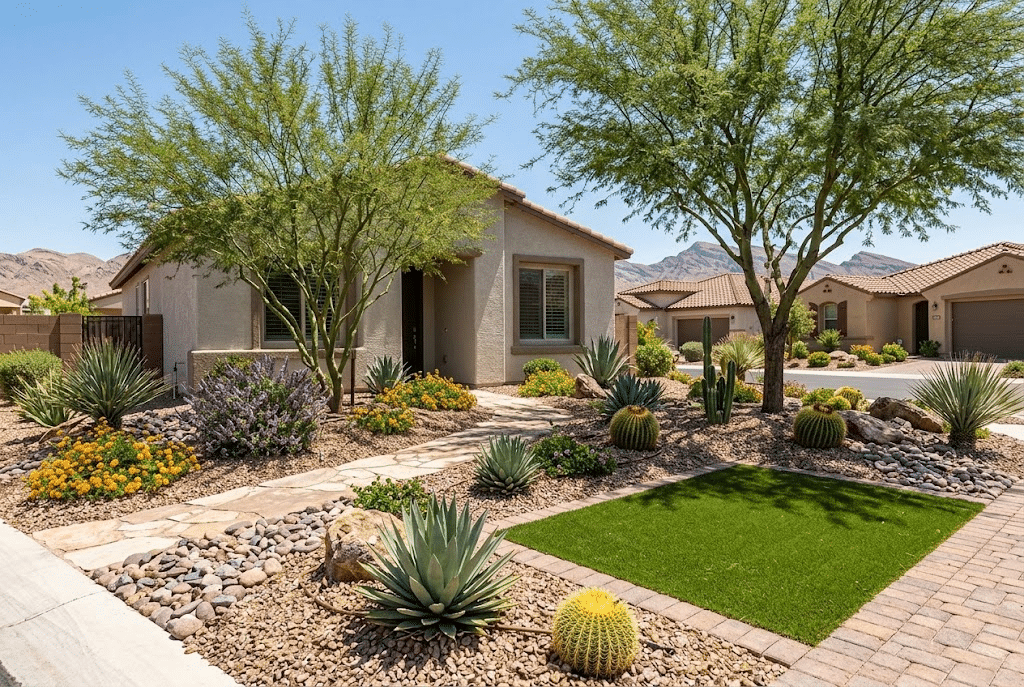
Start with a tall columnar species as the anchor a Mexican Fence Post or Saguaro. Mid-layer with Golden Barrel or Prickly Pear. Fill the foreground with low groundcovers like Blackfoot Daisy or Trailing Lantana. This tiered approach is how professional desert landscape designs create the layered look you see in high-end Las Vegas properties.
Use Rock to Frame, not Just Fill
Decomposed granite as a base, boulders as anchors, and flagstone or stepping stones for access paths. River rock and Mexican beach pebble work well around individual specimens. White decorative rock creates strong contrast against green cactus forms but shows staining over time, something to factor into long-term maintenance expectations.
Front Yard vs. Backyard Considerations
Front yard cactus gardens in Las Vegas work best with lower-growing species that don’t obstruct sightlines or grow into utility lines. Backyards give you room for taller specimens and more naturalistic arrangements. Both benefit from landscape lighting, uplighting a Saguaro or Golden Barrel at night creates a dramatic effect that holds up year-round.
Group in Odd Numbers
Three or five of the same species reads as intentional design. One of anything reads as an afterthought. For Golden Barrels especially, clusters of three at staggered heights are the standard professional approach.
How to Design Your Cactus Garden
Creating a cactus garden involves thoughtful planning, taking into account factors like sunlight, soil, and the overall look you want. You can enhance the garden’s appeal by adding stones, various cacti species, succulents, and unique exotic cacti to create a visually pleasing and easy-to-maintain landscape. Let’s take a closer look:
Stones and Cacti
Add visual appeal to your garden by strategically placing stones alongside your cacti. These stones not only enhance aesthetics but also help with moisture retention and weed control.
Add flowering cactus plants to your gardens
Inject vibrant colors and blooms into your garden by incorporating flowering cactus varieties. These captivating plants can bring a splash of life and beauty to your landscape.
Mix your cactuses
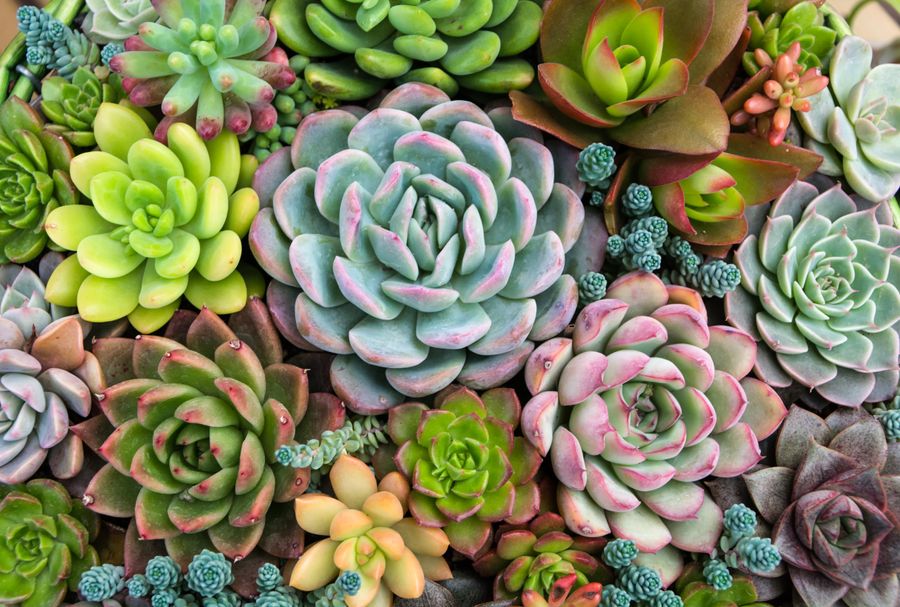
Create a diverse and eye-catching display by combining cacti of various shapes, sizes, and textures. Mixing different cacti varieties can add depth and interest to your garden.
Go For Exotic Cacti
Elevate your garden’s uniqueness by introducing exotic cacti species. These cacti often boast captivating colors, intriguing shapes, and striking textures, making them stand out in your landscape.
Go vertical with columnar cactuses
Make the most of limited garden space by incorporating tall-growing columnar cacti. These cacti can be planted directly in the ground or showcased in large pots, adding a vertical dimension to your garden that can be especially impactful in smaller areas.
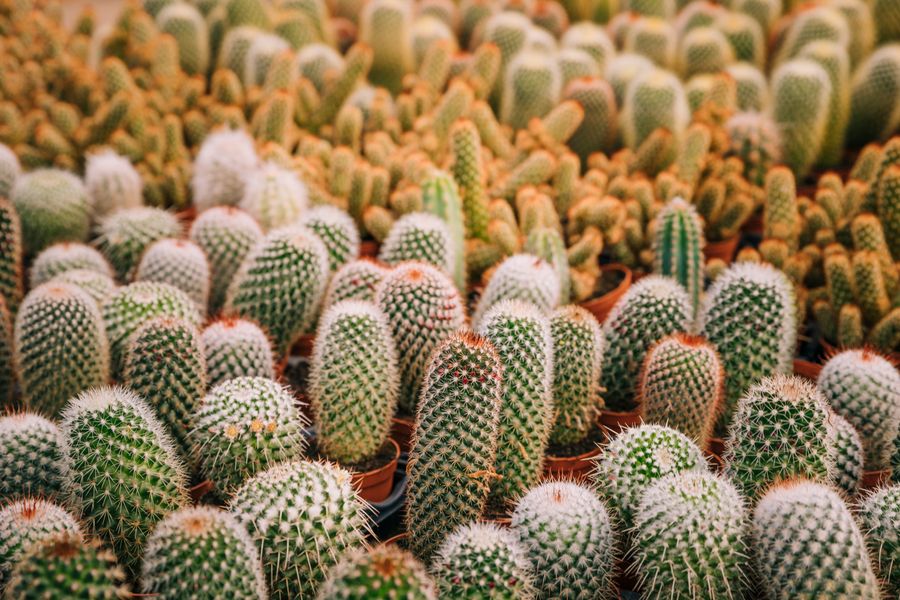
General Cactus Care
To keep healthy cacti that thrive, please observe these points for care:
- Provide sufficient sunlight: Due to the photosynthetic mode of Cacti, well-equipped lighting conditions are needed for them to prosper. They should be put in a place where it is always sunny such as by a window facing south, regardless of whether it is naturally lit or manmade.
- Maintain proper temperature: Most cacti thrive at temperatures between 70–90°F (21–32°C). Avoid temperatures that are too hot or too cold for their comfort.
- Monitor the humidity. Cacti do best in low-humidity environments. Spaces like bathrooms and kitchens should not host them if there is a high amount of moisture present.
- Frost protection: If you live in a colder climate, be sure to protect your outdoor cacti from frosts. cover or move them inside come winter.
- Fertilize sparingly: There is no need to give Cacti much plant food. During the growing season, put them on a thin cactus fertilizer (following package directions) and let it go at that.
- Landscaping maintenance service: You can always contact professionals to keep your landscaping design tidy and right on point. If you need Las Vegas landscapers, we’re here for you!
- Watch out for little pests: Common pests of Cacti include mealy bugs and spider mites. Give your plants regular inspections and take prompt measures when pests infest!
Still, there’s nothing like having professional help on your side! Don’t hesitate to contact Cacti Landscapes, experts in creating landscape designs. They can also help you choose the right types of irrigation sprinklers for your garden.
FAQs
What Cactus Grows Best in Las Vegas?
Golden Barrel, Saguaro, Prickly Pear, and Mexican Fence Post are all well-suited to Zone 9b conditions. They tolerate full sun, alkaline soil, and low rainfall without supplemental care once established.
How Often Do You Water a Cactus Garden in Las Vegas?
Established desert cacti in Las Vegas typically need watering every 2 to 4 weeks in summer and once a month or less in winter. Newly planted specimens need more frequent watering for the first 6 to 8 weeks while roots establish.
Can I Get a Rebate for Installing a Cactus Garden in Las Vegas?
Yes. If you’re removing turf and replacing it with a cactus and rock landscape, you may qualify for the SNWA Water Smart Landscape Rebate. The current rate is $3 per square foot for most residential customers. Cacti and other desert-adapted plants are eligible under the program guidelines.
Do Cactus Gardens Need Irrigation in Las Vegas?
Established plants don’t need much, but a drip irrigation system on a seasonal timer makes management easier and helps you stay compliant with SNWA watering restrictions. One drip emitter per plant, set to SNWA-approved schedules, is the standard setup.
What rocks work best with a cactus garden in Las Vegas?
Decomposed granite is the most common base material. Boulders work well as anchors around taller specimens. Mexican beach pebble and river rock add contrast around individual plants. White decorative rock creates strong visual contrast but requires more maintenance to keep clean over time.
It’s Time to Give Life to Your Space with a Beautiful Cactus Garden!
A cactus garden is one of the most practical investments a Las Vegas homeowner can make lower water bills, zero lawn maintenance, and a yard that looks good in July as much as January.
Want it done for you? Our gardening services include cactus and succulent installation suited to your yard’s sun exposure and soil. We have been designing and installing desert landscapes in Las Vegas and Henderson since 2002. We’re a licensed Nevada contractor (#84942) and a certified SNWA Water Smart Contractor.