
If you’ve tried to dig a planting hole in your Las Vegas yard and hit something that felt more like concrete than dirt, you’ve met caliche. It’s a hard, calcium-rich layer that sits under most of the valley, and it’s the main reason plants struggle here even when you’re watering and feeding them correctly. The good news is caliche can be worked with. Here’s what actually helps.
What Caliche Is and Why It’s a Problem
Caliche is a hard, cement-like layer of calcium carbonate that sits beneath the surface across most of the Las Vegas valley, usually somewhere between one and four feet down, though in some neighborhoods it shows up much shallower. It blocks water from draining and stops roots from pushing past it, which is why plants that would thrive elsewhere end up stunted or waterlogged right above the layer here.
Most Las Vegas soil is also naturally alkaline, typically in the 8.0–9.0 pH range, which affects how well plants can absorb nutrients even where caliche isn’t the main issue. Knowing which of these two problems you’re dealing with, hard caliche versus alkaline soil chemistry, changes what actually helps.

Soil Building Strategy
Building the soil quality is a long term task, but you can make changes to the soil in order to improve it. This is called a soil building strategy, rules you can stick to and methods you can use to improve the soil. So, how do we go about it? What should your soil building strategy look like?
Add Organic Matter First
Compost is the single most effective thing you can add to Las Vegas soil. Working 2 to 4 inches of compost into the top 12 inches of a planting bed improves drainage, helps the soil hold moisture longer between waterings, and feeds the microbial activity that struggling desert soil usually lacks.
For established beds, a fresh layer of compost once or twice a year keeps organic matter levels up, since it breaks down faster in our heat than it would in a milder climate. You can find compost through most local nurseries, or fertilize your yard and lawn as part of your regular seasonal care.
Dealing With Hard Caliche Layers
If you’ve hit an actual caliche layer, compost alone won’t break through it. A few approaches work, depending on how deep and how hard the layer is:
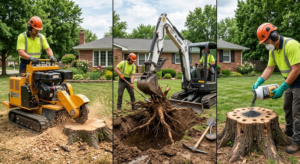
Mechanical breaking: physically breaking through the layer during planting or a larger landscaping project is often the most direct fix for tree and shrub holes
Gypsum: helps where soil has a sodium or structure problem alongside caliche, though it isn’t a universal fix and works best when guided by an actual soil test rather than applied blind
Raised beds: sidestep the caliche layer entirely for vegetable and flower beds where digging through it isn’t practical
Because caliche depth and hardness vary block to block in Las Vegas and Henderson, what your yard needs isn’t always obvious without checking. Our preventative plant care service includes assessing what’s actually going on beneath the surface before recommending a fix.
Mulch, Not Cover Crops, for Desert Beds
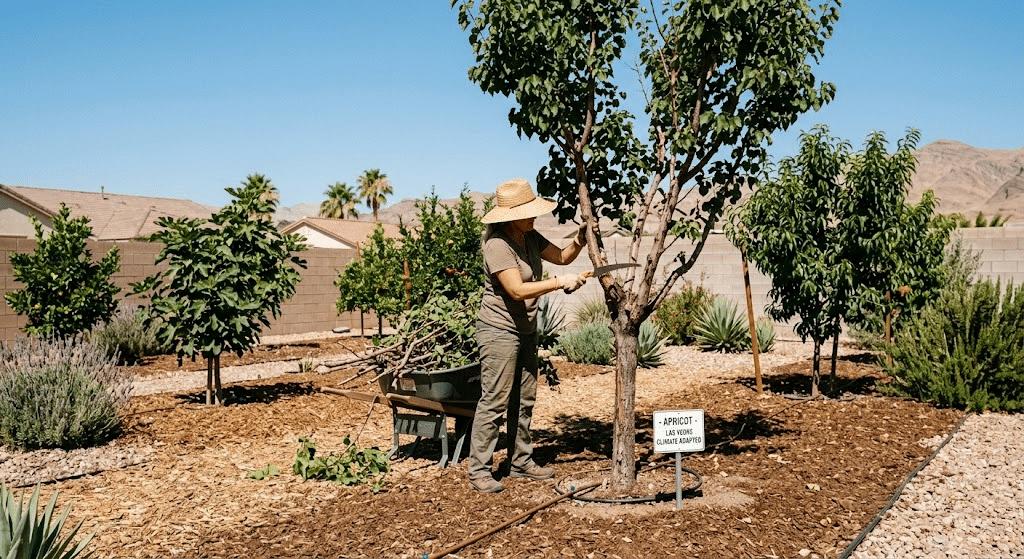
Cover cropping is a farming technique, and it’s not practical for a residential Las Vegas yard. What does the same job here is a consistent layer of mulch. Two to four inches of organic mulch over planting beds holds moisture in, moderates soil temperature through summer heat, and slowly breaks down to add organic matter, similar to what a cover crop would do on a farm, without needing a growing season dedicated to it.
FAQs
Why is my soil so hard to dig in Las Vegas?
You’ve likely hit caliche, a hard calcium carbonate layer common throughout the Las Vegas valley, usually one to four feet down. It blocks drainage and root growth, which is why digging feels like hitting concrete.
Does gypsum fix caliche soil?
Gypsum can help in soils with a sodium or structure problem, but it isn’t a universal fix for caliche and works best based on an actual soil test rather than guesswork.
What’s the best way to improve soil for planting in Las Vegas?
Working compost into the top 12 inches of a bed is the most reliable first step, along with a consistent layer of mulch on top to retain moisture and moderate temperature.
Do raised beds solve caliche problems?
Yes, for vegetable and flower beds. Raised beds let you plant above the caliche layer entirely instead of trying to break through it.
How often should I add compost to Las Vegas soil?
Once or twice a year for established beds. Compost breaks down faster here than in milder climates, so organic matter needs regular topping up.
Get Your Soil Checked Before You Guess
Caliche depth, soil pH, and what your yard actually needs can vary a lot even between two houses on the same street. Before you spend money on amendments that might not be the right fix, it’s worth having someone look at what’s actually under your yard. Cacti Landscape has been working with Las Vegas and Henderson soil since 2002.