
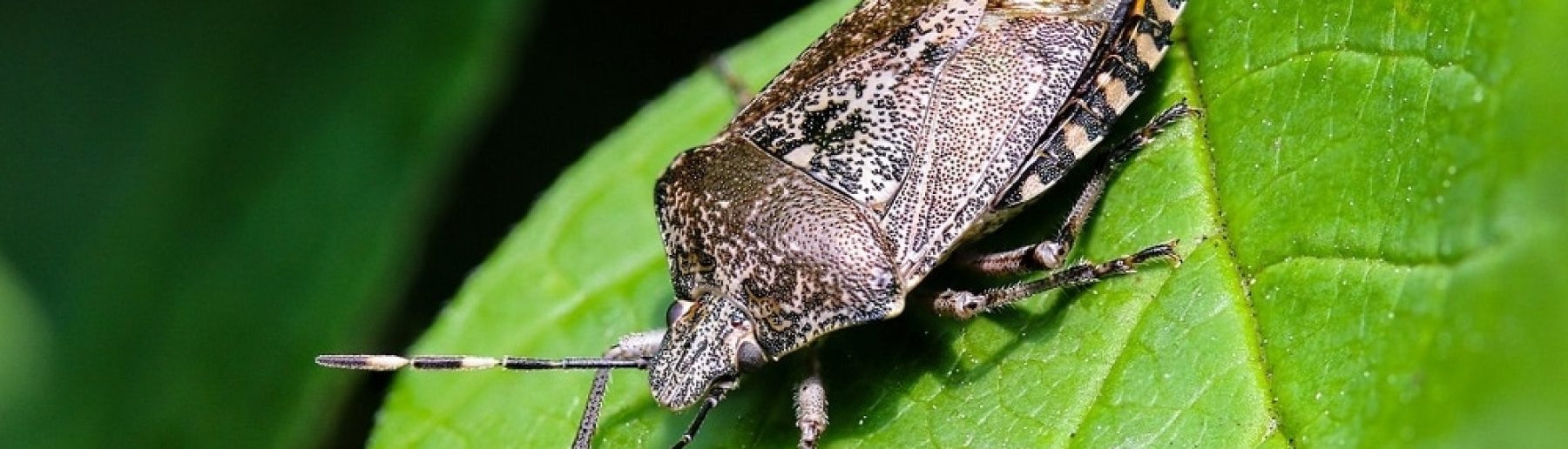
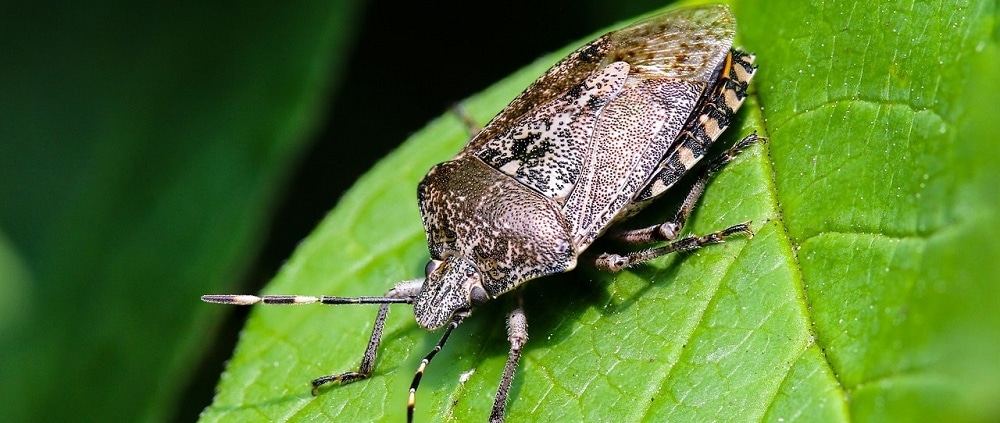
Most gardeners see a bug and reach for the spray. That instinct kills more gardens than it saves. The truth is, roughly 80% of insect species are either beneficial or neutral to your plants, and the ones doing real damage are a small, identifiable minority.
Knowing which is which changes everything. Once you can tell a ladybug from an aphid infestation, or a ground beetle from a grub, you stop fighting your garden’s natural defenses and start working with them. In Las Vegas, plants already face heat and drought stress. Losing beneficial insects can make it easier for pests to become a problem.
Why Insects Matter in Your Garden
Insects are not just uninvited guests. They are the engine behind pollination, soil health, and natural pest control. Without them, most flowering plants cannot reproduce, and gardens collapse into a cycle of disease and decline.
Pollinators like bees and butterflies move pollen from flower to flower, which is essential for fruit and vegetable production. Predatory insects like lacewings and ground beetles hunt the pests that damage your plants. Decomposers break down dead plant material and feed the soil. Each of these roles is critical, and none of them can be replaced with a bottle of spray.
Common Beneficial Insects Found in Las Vegas Gardens
Las Vegas gardens are home to several beneficial insects that help control pests naturally and support a healthier landscape. These insects act as natural predators, reducing populations of aphids, mites, caterpillars, and other common garden pests without the need for excessive pesticide use. Understanding which beneficial insects to encourage can help create a more balanced and thriving garden ecosystem.
Ladybugs
A single ladybug can consume up to 5,000 aphids over its lifetime. These small, spotted beetles are one of the most effective natural pest controllers you can have in a garden, and they cost you nothing to attract if you plant the right flowers.
Ladybugs are attracted to plants like dill, fennel, and yarrow. They overwinter in sheltered spots and return season after season if you avoid disturbing their habitats. Creating diverse planting areas around trees and shrubs gives beneficial insects the variety of shelter and food sources they need to establish and thrive.
Bees
Bees are the most important pollinators in any garden, period. In the Mojave Desert region surrounding Las Vegas, native bees like the digger bee and the sweet bee are especially active and efficient pollinators adapted to the local climate.
Without bees, tomatoes, squash, peppers, and most fruit-bearing plants will produce poorly or not at all. A garden that supports bees is a garden that produces.
Praying Mantises
The praying mantis is a broad-spectrum predator. It eats aphids, flies, beetles, and even small caterpillars. One mantis does not solve a full infestation, but a healthy population of them keeps pest numbers in check before problems escalate.
They are ambush hunters, staying still among foliage until prey comes within reach. If you see one in your garden, leave it where it is.
Lacewings
Lacewing larvae are sometimes called “aphid lions” because of how aggressively they feed on soft-bodied pests. The adults are delicate, pale green insects that are easy to overlook. It is the larvae that do the heavy lifting.
A single lacewing larva can consume several hundred aphids before it reaches adulthood. They also feed on thrips, whiteflies, and small caterpillars, making them one of the most valuable beneficial insects for desert gardens.
Ground Beetles
Ground beetles live in the soil and leaf litter, hunting at night. They feed on slugs, cutworms, and soil-dwelling pests that damage plant roots. Most gardeners never see them, but they are quietly protecting the garden while you sleep.
Maintaining a layer of organic mulch gives ground beetles the cover they need to thrive. Removing all mulch and ground cover eliminates the habitat these insects depend on.
Harmful Garden Insects to Watch For
While many insects provide valuable benefits to the garden, others can damage plants, flowers, vegetables, and trees. Harmful garden insects often feed on leaves, stems, roots, or plant sap, weakening plants and making them more susceptible to disease and environmental stress. Identifying common garden pests early can help prevent infestations and protect the health of your landscape.
Aphids
Aphids cluster on new growth and leaf undersides, draining plant sap and leaving behind a sticky residue called honeydew that invites mold. A small colony can double in size within days, which is why catching them early makes a material difference.
They are soft-bodied, pear-shaped, and usually green, black, or white depending on the species. A strong spray of water dislodges them without chemicals.
Whiteflies
Whiteflies are tiny, moth-like insects that gather on leaf undersides and fly up in a cloud when disturbed. They drain plants and transmit viral diseases. In Las Vegas heat, populations explode quickly when left untreated.
Yellow sticky traps are an effective, chemical-free way to monitor and reduce whitefly numbers. Reflective mulch also confuses and deters them.
Spider Mites
Spider mites are not insects but arachnids, and they thrive in hot, dry, dusty conditions, which makes Las Vegas gardens especially vulnerable. They cause stippled, yellowing leaves and leave fine webbing on plants.
They reproduce fast and become resistant to chemical treatments if overused. Regular water misting and neem oil applications are among the most reliable controls.
Grubs and Lawn Pests
White grubs are the larvae of beetles, feeding on grass just below the soil surface. They cause patches of lawn to die and pull away from the soil like a loose carpet. If you see birds pecking aggressively at your lawn, grubs are often the reason.
Beneficial nematodes applied to moist soil are a natural and effective treatment. They seek out and kill grub larvae without harming earthworms or other soil organisms.
Caterpillars and Leaf Chewers
Not all caterpillars become butterflies worth keeping. Some species, like the tomato hornworm, can strip a plant bare in days. Others chew irregular holes in leaves and move on before you identify the source.
Inspect leaves carefully in the morning when caterpillars are most active. Hand-picking is tedious but effective, especially in smaller garden beds.
The most dangerous insect in any garden is the one you misidentified.
How to Encourage Beneficial Insects in Your Garden
Encouraging beneficial insects is one of the most effective ways to support a healthy, balanced garden ecosystem. Natural predators and pollinators help control pest populations, improve pollination, and reduce the need for chemical treatments. By creating a welcoming habitat, homeowners can attract a variety of beneficial insects that contribute to long-term garden health.
Plant Native and Pollinator-Friendly Flowers
Native plants attract native insects. In Las Vegas, plants like desert marigold, globe mallow, and autumn sage bloom during the seasons when pollinators are most active and food sources are scarce.
Aim for continuous bloom across your garden so beneficial insects have a reliable food supply from early spring through late fall. A monoculture garden gives them nothing to stay for.
Reduce Chemical Pesticide Use
Broad-spectrum pesticides do not discriminate. They kill aphids and ladybugs with equal efficiency. If you eliminate the predators, the pests rebound faster because their natural population controls are gone.
Spot-treat only when necessary, targeting specific pests with the least-toxic option available. This approach protects the beneficial insect population while still addressing real problems.
Add Water Sources for Pollinators
Bees and other pollinators need fresh water, especially in desert climates where temperatures regularly exceed 100 degrees Fahrenheit. A shallow dish with pebbles gives them a place to land and drink without drowning.
Change the water every few days to prevent mosquito breeding. Placement near flowering plants makes the water source part of an integrated pollinator habitat.
Create Shelter With Mulch and Plants
Dense planting and a layer of organic mulch create the microhabitats that beneficial insects need for shelter, overwintering, and egg-laying. Ground beetles need loose soil and leaf cover. Solitary bees need undisturbed bare soil patches for nesting.
Resist the urge to over-tidy your garden at the end of the season. Leaving some dried stems and leaf litter in place gives beneficial insects the shelter they need to survive winter.
Let Parts of the Garden Stay Natural
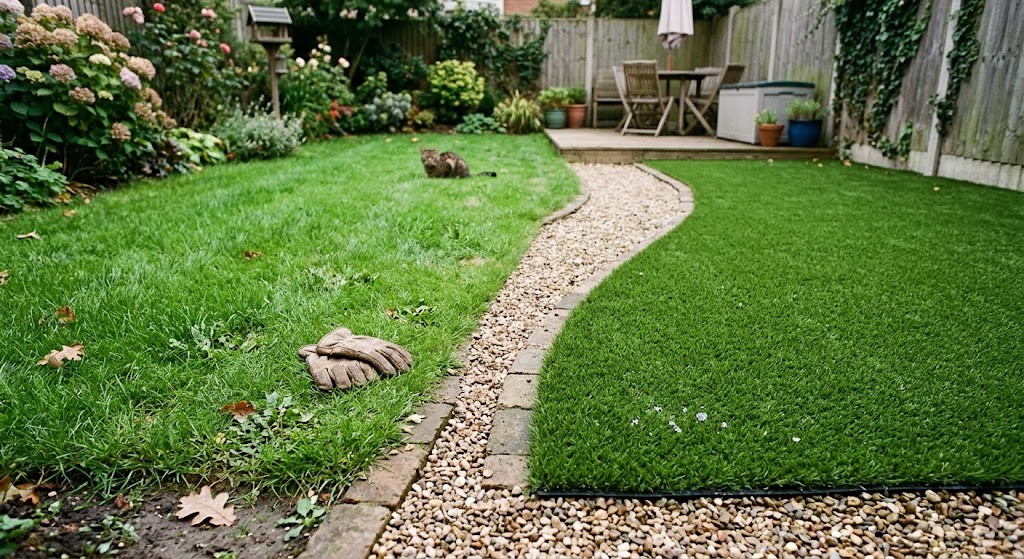
A perfectly manicured garden is a biologically impoverished one. Allowing a corner of your yard to grow a little wild, with native grasses, flowering weeds, or unmowed sections, provides habitat that cultivated garden beds simply cannot replicate.
Even a small, intentionally “messy” area significantly increases insect biodiversity. More biodiversity means more natural pest control.
How to Get Rid of Harmful Insects in Your Garden
A garden that attracts beneficial insects pollinates more effectively, keeps pest populations in check, and builds a more resilient ecosystem over time. A few deliberate choices in how you plant and maintain your landscape can make it a place they return to consistently.
Identify the Insect Before Treating
The single most important step in pest control is knowing what you are dealing with. Treating aphids when the problem is spider mites wastes time and money and leaves the real pest untouched.
Photograph the insect, check the affected plant for patterns of damage, and compare against a regional pest identification guide before choosing a treatment.
Use Natural Pest Control Methods
Neem oil, insecticidal soap, and diatomaceous earth handle the majority of common garden pests without disrupting the broader insect ecosystem. Each works differently and targets different pest types.
Neem oil disrupts the life cycle of soft-bodied insects. Diatomaceous earth damages the exoskeleton of crawling pests. Insecticidal soap suffocates insects on contact. Rotating methods prevent resistance from developing. While these products are effective for many common garden pests, larger infestations or recurring issues may benefit from a comprehensive preventative plant care program that focuses on long-term plant health and proactive pest management.
Keep Plants Healthy and Stress-Free
Stressed plants attract pests. A plant struggling with poor soil, irregular watering, or nutrient deficiency signals vulnerability to insects in ways that healthy plants do not. Consistent care is your first line of defense.
In Las Vegas, watering schedules need to account for extreme heat. Deep, infrequent watering encourages strong root systems that make plants more resilient to both pest pressure and temperature stress. Proper watering, fertilization, and routine landscape maintenance help keep plants healthy and less vulnerable to insect damage.
Remove Damaged Leaves and Debris
Diseased or pest-damaged leaves left on the plant become breeding grounds. Remove them immediately and dispose of them away from the garden, not in your compost pile, where eggs and larvae can survive and spread.
Clearing garden debris at the end of each season reduces overwintering sites for pest populations and starts the next growing year with a cleaner baseline.
When Professional Pest Control Makes Sense
Some infestations go beyond what natural methods can address in time. If you are losing significant plant mass quickly, if multiple plants across your yard are affected simultaneously, or if you cannot identify the pest, calling a professional saves the garden faster than experimenting.
A qualified pest control specialist can identify the exact pest species, recommend targeted treatments, and help you protect beneficial insect populations at the same time.
How to Identify Insects in Your Garden
Start with the damage pattern before looking for the insect itself. Stippled leaves point to mites. Curled, sticky new growth suggests aphids. Holes in leaves indicate caterpillars or beetles. Clean, sharp cuts at the soil line are the signature of cutworms.
Once you know what kind of damage you are seeing, look for the insect at the right time. Many pests feed at night and hide during the day. Check the undersides of leaves, the base of stems, and the soil surface at dawn or dusk for the most accurate picture.
| Damage Type | Likely Culprit | Where to Look |
| Stippled, yellowing leaves | Spider mites | Leaf undersides, fine webbing |
| Curled leaves with sticky residue | Aphids | New growth, stem joints |
| Irregular holes in leaves | Caterpillars or beetles | Leaf surfaces, soil near plant |
| Lawn patches pulling away | White grubs | Soil just beneath grass roots |
| Tiny white cloud when disturbed | Whiteflies | Leaf undersides |
Should You Remove Every Insect From Your Yard?
The short answer: no. A yard without insects is a yard without function. Most insects you see on your plants are passing through, resting, or actively helping. The reflex to eliminate every bug undermines the very ecosystem that keeps your garden healthy.
For homeowners looking to improve plant health and long-term landscape performance, professional landscaping support can help maintain that balance year-round.