

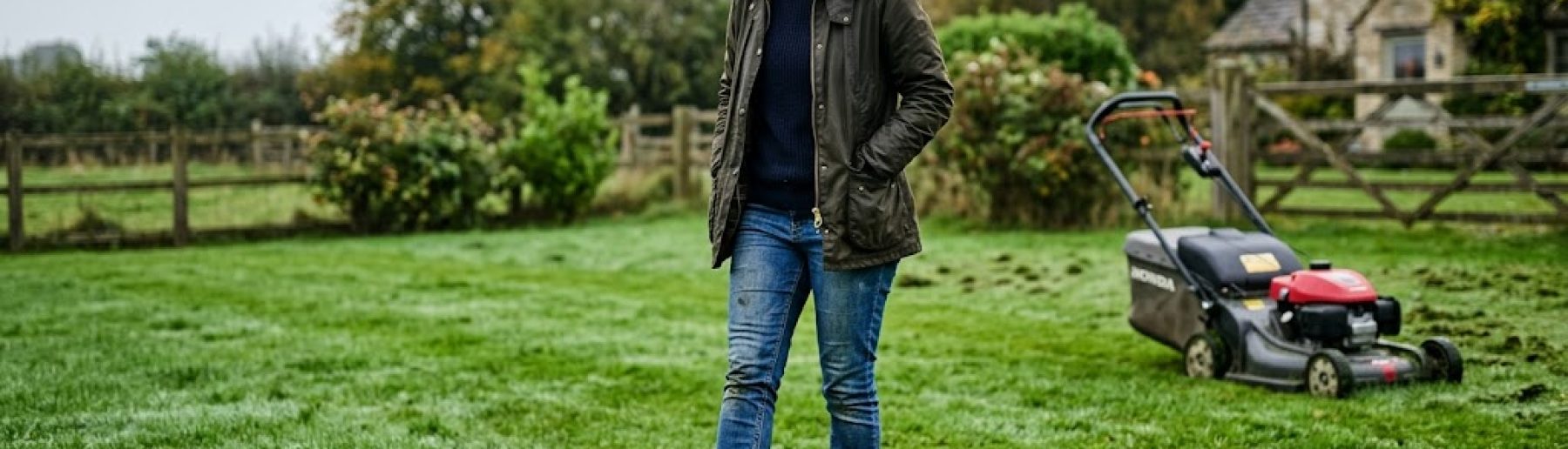

Can you cut wet grass and still come out ahead? Technically, yes. Whether you should is a different question entirely. The answer depends on how wet, what kind of soil you have, and how much you’re willing to risk on a shortcut.
Why Cutting Wet Grass Can Harm Your Lawn
Damp conditions do not just make mowing inconvenient. They create conditions where a single session can set your lawn back weeks. Here is what actually goes wrong.
Uneven Cuts and Tearing Blades
When the grass is wet, it bends sideways and clumps together instead of standing upright. Lawn mowers are designed to cut grass standing tall. When grass blades are leaning and clumping together, the mower tears rather than slices.
The frustrating part is that you often won’t see the full picture until the lawn dries and springs back up, revealing uneven patches and missed sections across the surface.
Increased Risk of Grass Diseases
Torn grass is open grass. Every ragged cut becomes an entry point, and wet conditions keep those wounds exposed. Lawn disease moves fast in these circumstances. Fungal infections like brown patch, dollar spot, and red thread thrive in exactly this environment.
Mower blades pick up spores and carry them across the lawn with every pass. If there are already early signs of infection in one area, mowing wet accelerates the spread in ways that are difficult to reverse.
Soil Compaction and Wheel Ruts
Running a heavy mower over wet soil pushes particles together, reducing the air pockets roots depend on. Soil compaction limits root depth, slows water absorption, and weakens the lawn’s ability to recover from stress including heat.
Riding mowers make this significantly worse due to their weight. The wheels also sink into softened wet soil and leave ruts that create long-term unevenness. On standard Las Vegas-area soils, compaction from a single saturated mowing session can persist for weeks.
When Is It Okay to Cut Wet Grass?
There are real situations where delaying is not practical. Knowing where the risk threshold sits helps you make a smarter call when it matters.
Slight Moisture vs. Saturated Soil
The difference between slightly damp grass and a waterlogged lawn changes the risk entirely. Light morning dew or a brief shower from several hours ago is manageable. Heavy overnight rain on dense, clay-heavy soil is a different situation.
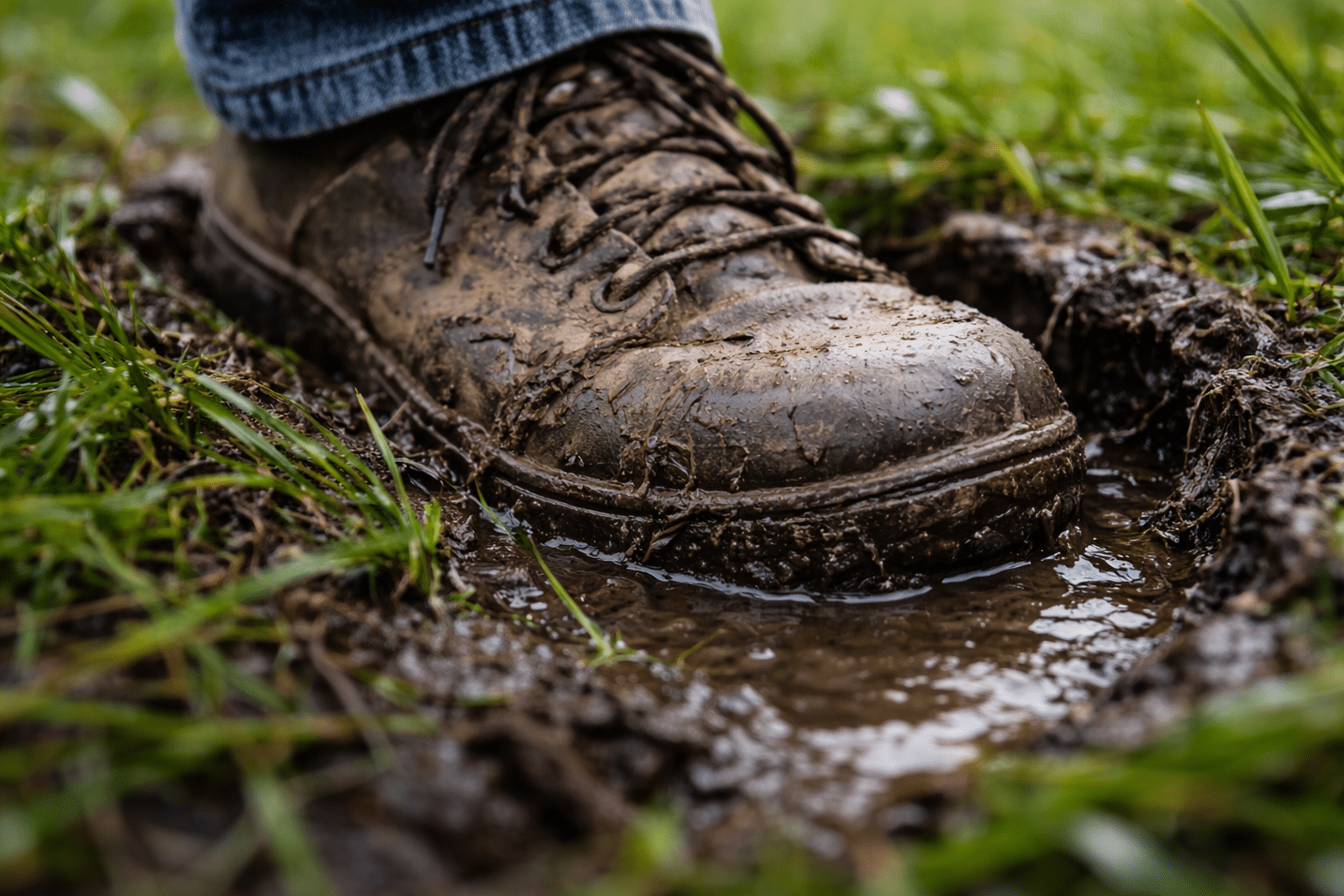
A useful field test is to walk across the yard and watch what happens underfoot. Footprints leaving visible impressions or ground that shift under your weight mean it is too wet to mow. Shoes coming away slightly damp on firm, stable ground usually signals an acceptable window. Working with a landscaping service in Las Vegas can help you assess your specific soil drainage pattern and build a mowing schedule around it.
Weather Conditions That Matter
Current moisture is only part of the picture. If more rain is coming, fresh cuts will face back-to-back moisture exposure, compounding the damage risk. Overcast skies also slow drying significantly compared to full sun.
Many homeowners who ask, “Can you mow wet grass after a quick afternoon shower?” find the answer is yes, as long as the ground has had two to three dry hours and no further rain is expected.
Tips for Cutting Wet Grass Safely
When you truly have no choice, these adjustments reduce the damage. Knowing how to approach cutting wet grass correctly makes a real difference in the outcome.
Adjust Your Mower Settings
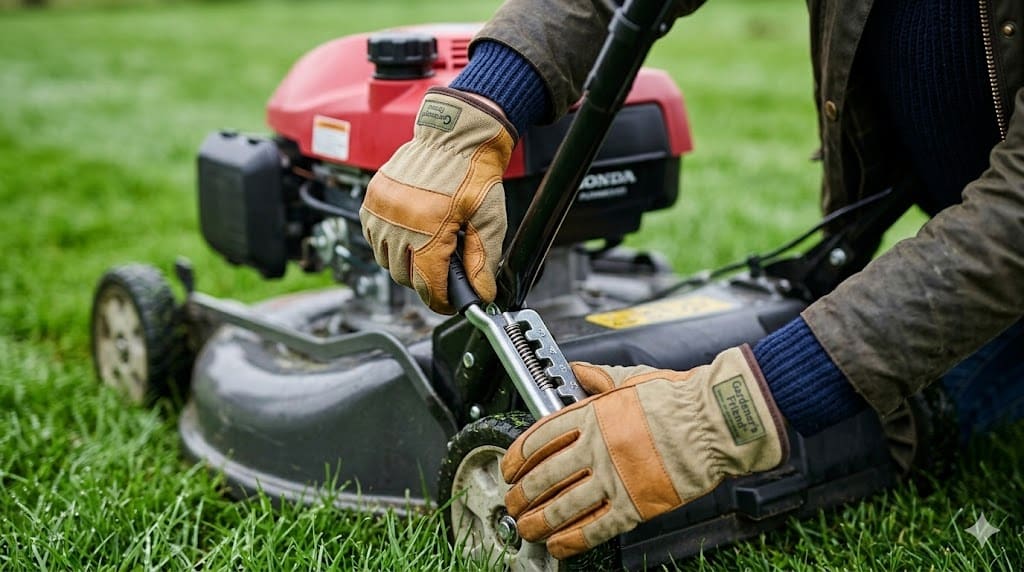
Raise the cutting deck one to two notches above your normal height. Less volume per pass means the blades have a better chance of standing upright for a cleaner cut. Switch from mulching to side-discharge or bagging mode. Wet clippings mat down under the deck quickly and cause clogs. These lawn care adjustments make a meaningful difference when cutting the lawn when wet.
Go Slow and Overlap Passes
Slower movement gives the mower more contact time per blade and improves accuracy. Overlap each pass by around 50% instead of the usual 20-30% to account for grass pushed flat by the previous pass. Alternating your mowing direction also lifts flattened sections and evens out the final result.
Use the Right Equipment
Gas-powered lawn mowers with sharp blades handle damp conditions better than electric models. Should you mow wet grass with a corded electric mower? No. The shock risk is real and not worth taking under any circumstance. Sharp blades matter more here than usual, since dull edges compound the tearing problem that already makes mowing wet grass risky. For larger or more complex properties, a landscaping maintenance service brings commercial-grade equipment built for these conditions.
Empty Bag Often and Clean Afterward
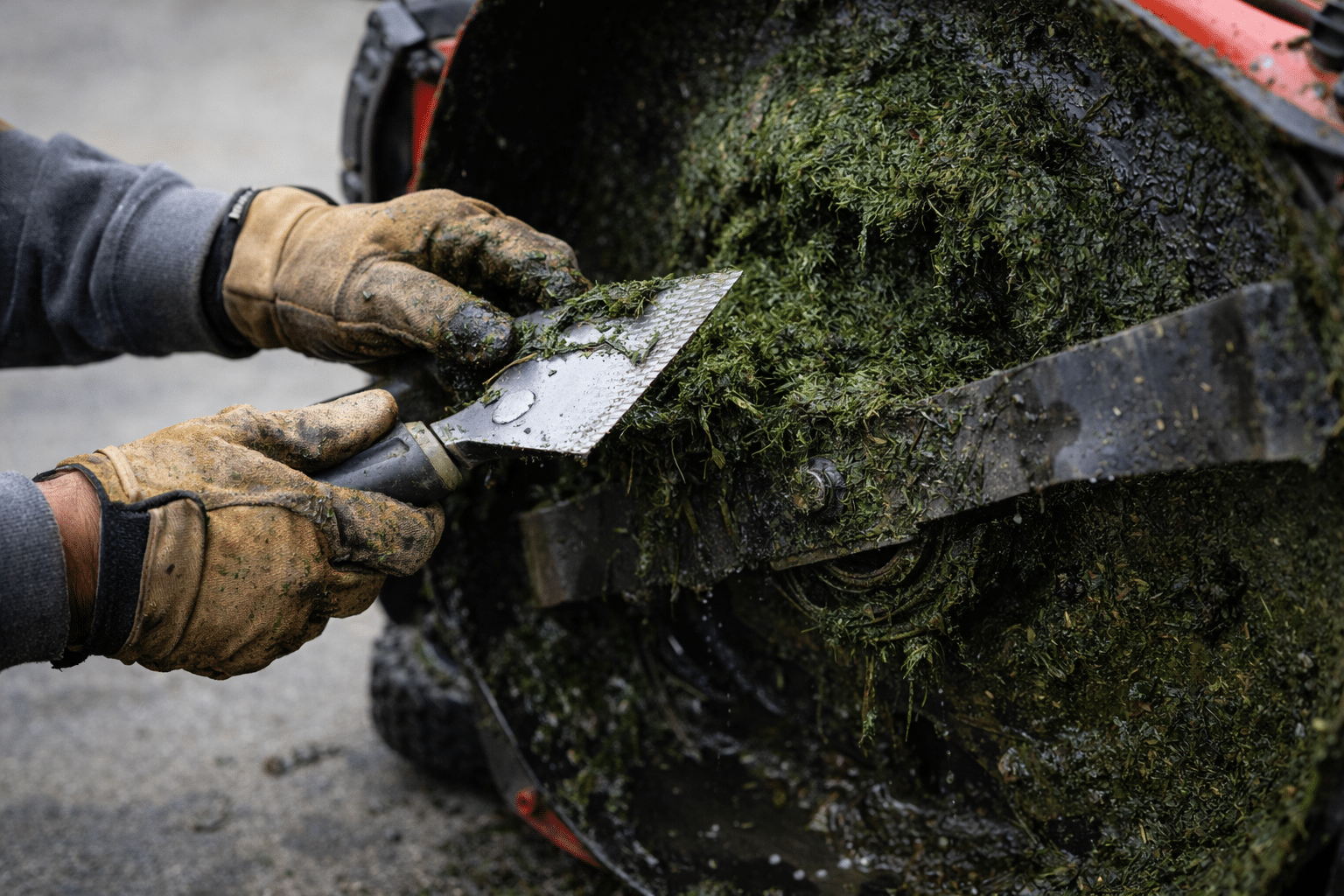
Wet clippings are dense and accumulate faster than dry ones. Empty the collection bag more often than normal to prevent engine strain and discharge clogging. When the session ends, clean the underside of the deck completely. Wet clippings left on the machine will mold, corrode metal, and carry disease spores into the next cut.
Reach out through our contact us page if you need help managing lawn recovery after a difficult session.
Alternatives to Mowing When Grass Is Wet
If there is any flexibility in the schedule, waiting almost always produces better results. Most lawns are ready two to five hours after light rain. After heavy rainfall, 24 hours is the more reliable standard. Use the window to sharpen blades, clear debris, or edge hardscape borders.
For homeowners who regularly face narrow mowing windows due to weather or a demanding schedule, low-maintenance landscaping can reduce dependence on precise timing and make the routine significantly easier to manage year-round.
What Happens After Cutting Wet Grass
Even when you follow best practices, some follow-up work is necessary to protect the lawn from lasting harm.
Lawn Recovery Tips
Rake up any clumps of clippings sitting on the surface. Dense wet mats block sunlight and trap moisture against the soil, creating exactly the humid conditions that invite further problems. Hold off on fertilizing until the lawn has visibly stabilized and new growth looks consistent. Keep foot traffic light for a few days to reduce additional stress on already-compromised soil.
Mower Maintenance Checklist
Clean the deck before storage. Rinse and dry the blades to prevent rust on exposed metal. Check the air filter if you noticed any performance issues mid-session. Inspect blades for nicks caused by rocks or debris hidden in the wet soil.
Can you mow lawn wet, without consequences to your equipment? Only if maintenance happens immediately afterward. A clean, properly stored mower will consistently outperform a neglected one over a single season.
Final Thoughts
Can you cut wet grass without causing real damage? With the right adjustments and honest judgment about conditions, you can reduce the risk. But waiting for the lawn to dry will almost always deliver a better result. When in doubt, give it another hour or two. That patience rarely costs anything, and it usually pays off more than you expect.