
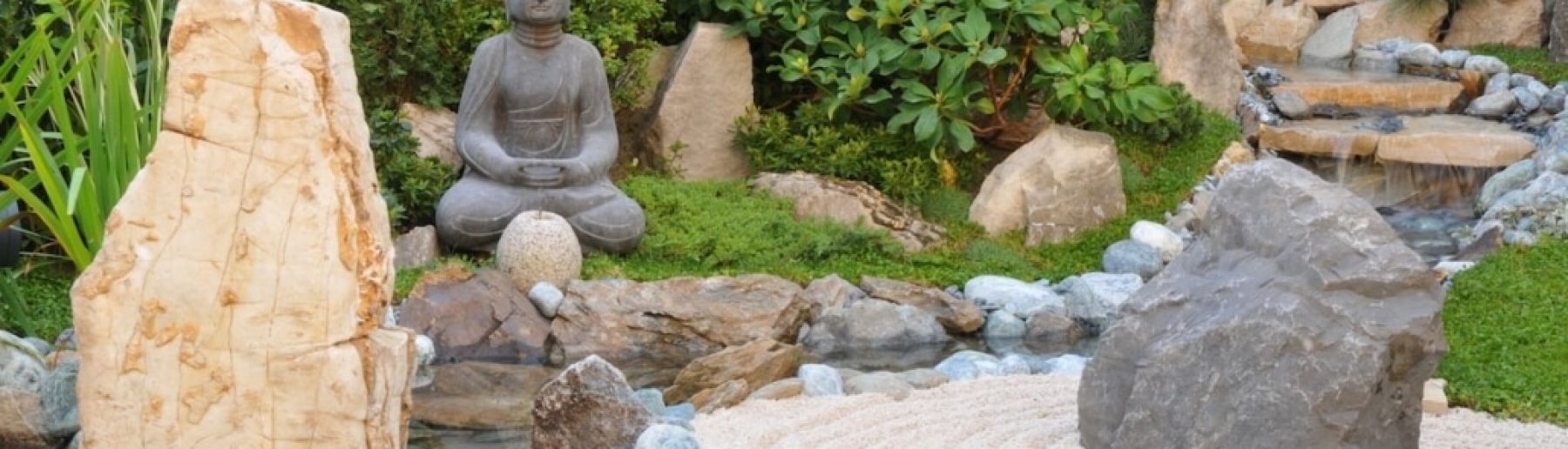
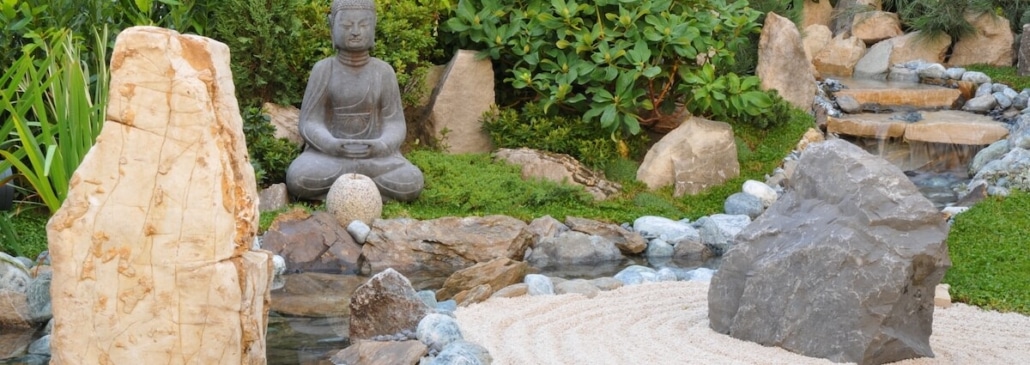
A Zen garden is one of the few garden styles that actually gets easier to maintain in Las Vegas heat instead of harder. Built around gravel or sand, a few carefully placed plants, and no standing water, it’s a design that works with the desert rather than against it.
What Makes a Garden “Zen”?
A Zen garden follows a handful of Japanese design principles: simplicity, asymmetry, and a deliberately spare, uncluttered layout. Rather than filling every corner with plants and features, a Zen garden uses empty space intentionally, letting a few carefully placed elements, gravel, stone, a single tree, do more work than a crowded yard ever could.
Start With a Dry Landscape Base
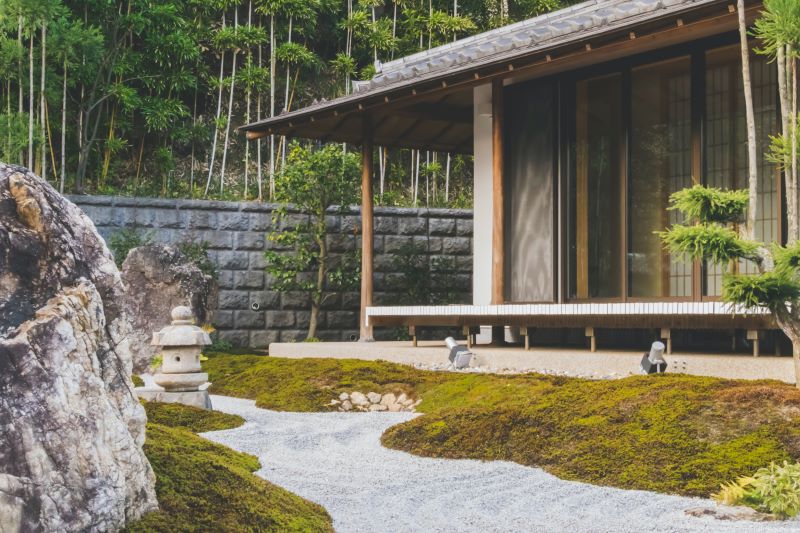
Every Zen garden starts as a dry landscape design, no lawn, no standing water, minimal irrigation. This happens to line up perfectly with Las Vegas’s climate and water restrictions. A xeriscape-based design gives you the dry, low-water foundation a Zen garden needs while still looking intentional year-round, not stressed the way a struggling lawn does by August.
Choose Gravel or Sand
Gravel is the more common choice for a Las Vegas Zen garden, since it holds up to wind far better than sand and doesn’t need raking to stay looking sharp. It comes in a wide range of colors, from bright white to charcoal, and in two basic sizes, granular and pebble, with half-inch gravel being the most commonly used for this style.
Sand is the more traditional option and gives that classic raked-ripple look associated with Japanese gardens, but it takes more upkeep here. Wind is the main issue, sand needs regular raking to stay in place and keep its pattern, while gravel mostly takes care of itself. For a yard that will actually get raked and maintained, sand looks great. For a lower-maintenance option, gravel is the more practical call. Either way, rock and gravel work is one of the more affordable ways to build out this style of yard.
Add Wood for Warmth
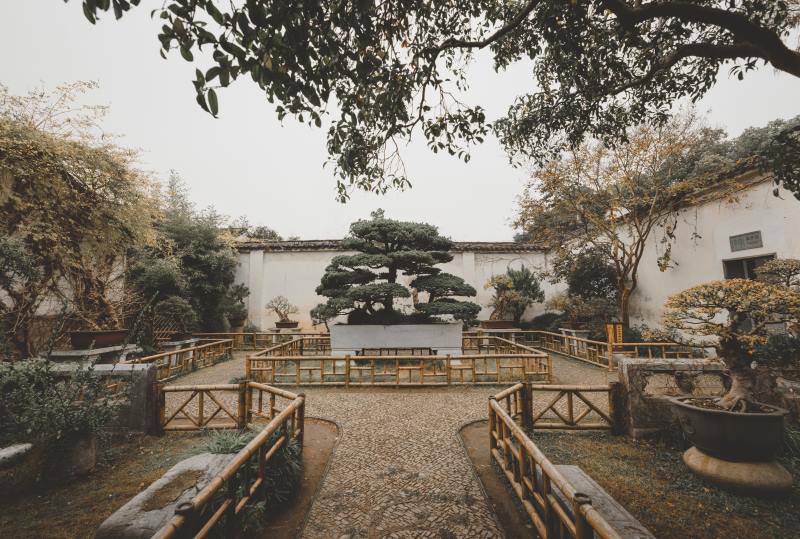
Wood brings warmth and a sense of calm to a Zen garden that gravel and stone alone don’t provide. A small bridge, a bench, or a simple wood structure gives the eye somewhere to rest and reinforces the sense of stillness the style is built around.
Keep Planting Minimal
A Zen garden uses a few plants deliberately, not many plants densely. Overplanting works against the whole point of the style. If weeds start creeping into the gravel or planted areas, professional weed control keeps the minimalist look from turning into an overgrown one, and periodic clean-up service handles any debris that blows in, which happens more in an open gravel yard than people expect.
Step-by-Step: Building Your Zen Garden
- Clear the area completely, removing anything currently growing in the space.
- Remove the top few inches of soil with a shovel, using stakes to check for level ground.
- Rake out uneven spots and compact the soil down.
- Install stone edging around the perimeter to keep gravel or sand contained.
- Dig holes for any rocks or plants you’re placing before adding your base material.
- Set your plants and stones in place.
- Add landscape fabric over the soil if you’re using it, then bring in the gravel or sand and rake it into your final pattern.
FAQs
Does a Zen garden need much water in Las Vegas?
No. Zen gardens are built around a dry landscape base with minimal planting, which makes them one of the lowest-water garden styles for a desert climate.
Is gravel or sand better for a Las Vegas Zen garden?
Gravel generally holds up better here since it isn’t disturbed by wind the way sand is. Sand gives the classic raked look but needs more regular upkeep to stay in place.
How much planting should a Zen garden have?
Very little, by design. A few carefully placed plants reinforce the minimalist look; too many plants work against the style’s core principle of simplicity.