
A lush, uniform green lawn is a point of pride for any homeowner, a cool oasis in the desert landscape. Meanwhile, it’s a common frustration: you work hard for that perfect carpet of green, only to see it marred by invasive weeds. These aggressive competitors disrupt the visual harmony with different colors and textures, and more importantly, they steal precious water, sunlight, and nutrients from your actual turfgrass. To fight back effectively, homeowners must first learn to identify the different types of weeds in grass, as many are masters of disguise.
What are Grass Weeds?
Broadly, a weed is any unwanted plant. Weeds are generally classified by their appearance into grassy weeds, which resemble turf with long, narrow blades emerging as a single leaf, and broadleaf weeds, which have wider leaves with a central vein.
They are also classified by their life cycle. Annuals live for only one year, spreading aggressively by seed, while perennials can live for multiple years, regrowing from their tough, persistent root systems.
Why Identifying Lawn Weeds Matters
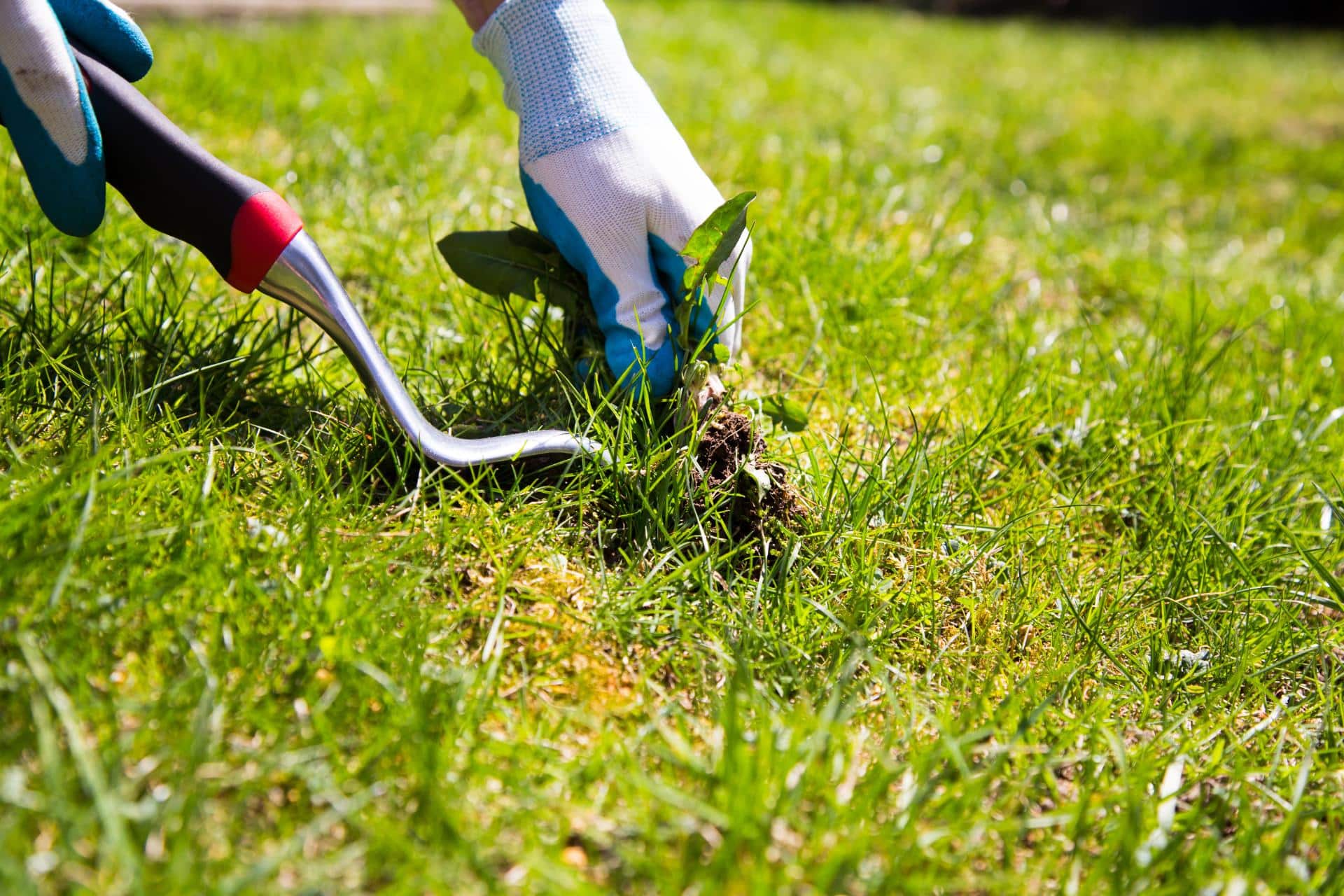
You can’t solve a problem you can’t identify. A herbicide designed for broadleaf weeds will do nothing to a grassy weed or a sedge. Proper weed identification saves time and money and prevents the misapplication of chemicals. This targeted approach yields better results and protects the environment, which is why professional Las Vegas landscapers place such a strong emphasis on it.
This identification is even more critical because some herbicides can harm specific types of weeds in lawn environments while also being unsafe for certain turf varieties. Many lawn weeds require completely different treatment approaches, making identification the critical first step. If you’re ever unsure, it’s best to get in touch with our landscaping specialists before applying any chemicals.
Common Types of Weeds Found in Lawns
Effective landscape maintenance in Las Vegas begins with knowing the invaders. Winning the battle for your lawn means being able to spot the most frequent intruders you’ll encounter.
Broadleaf Weeds
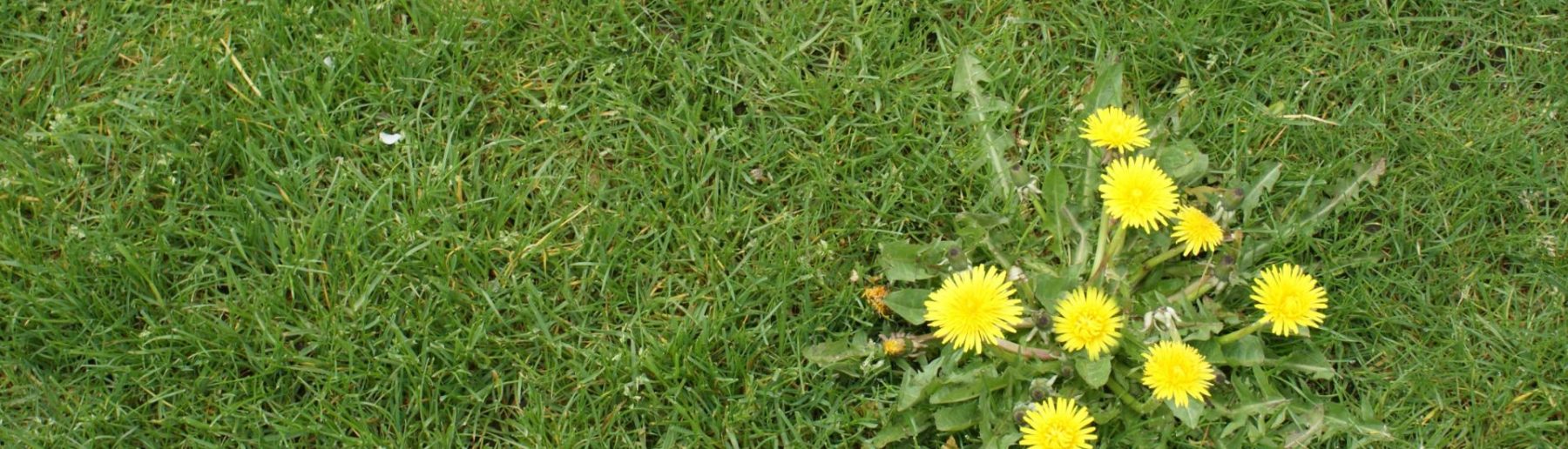
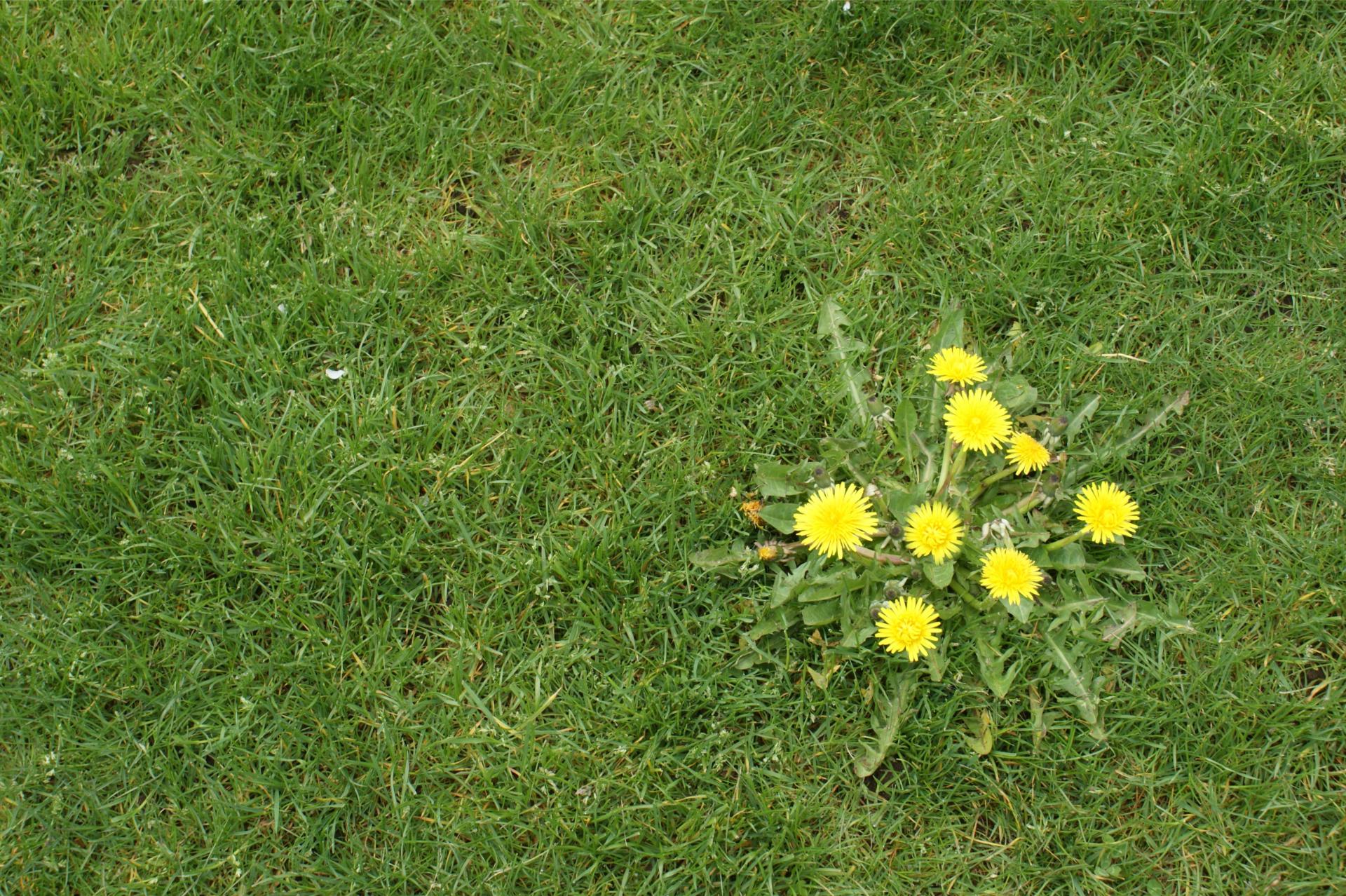
Dandelion: Instantly recognizable by its yellow composite flower that turns into a white puffball seed head. Leaves are broad with deeply notched, “toothed” edges that form a low-to-the-ground rosette. Has a thick, brittle taproot that can grow over 10 inches deep; any fraction left behind will regenerate the plant.
Clover: Features three-part leaves. White clover produces a spiky white flower and often has a white crescent shape on its leaves. It spreads low and forms dense mats, rooting wherever a stem node touches soil. Its presence often indicates low nitrogen in the soil.
Plantain: Focus on Broadleaf Plantain. It forms a low rosette of large, oval leaves with prominent, parallel veins. It thrives in compacted soil, making it a common sight on high-traffic paths. Sends up tall, leafless seed spikes.

Grassy Weeds
Crabgrass: As one of the most common grass weeds, this summer annual is a true turf bully. Its blades are wider and coarser than turf, often a lighter blue-green. It grows low to the ground, spreading out from a central point in a star pattern, like crab legs. This growth habit suffocates the surrounding turf, leaving bare patches when the crabgrass dies off in the winter.
Annual Bluegrass (Poa Annua): This weed is also called winter grass. It’s a lighter, almost lime-green color that grows in clumps, with the most telling feature being its “boat-shaped” leaf tip. It produces whitish, tufted seed heads even at very low mowing heights, giving the lawn an uneven, patchy look in early spring.
Foxtail: A clump-forming summer annual. Its name comes from its most distinct feature: a bushy, cylindrical seed head that looks exactly like a fox’s tail. Foxtail is a very adaptable weed and can thrive in a wide range of environmental conditions, in both moist and dry soils.
Sedge Weeds
Nutsedge: Often mistaken for grass, but it’s shinier, a brighter yellow-green, and grows much faster than turf between mows. The key identifier is its triangular stem. Use the mnemonic: “Sedges have edges.” It reproduces via underground tubers (“nutlets”), making it impossible to control by hand-pulling alone.
Kyllinga: Another sedge (triangular stem), but this one forms dense, low-growing mats instead of the taller, upright clumps of nutsedge. It produces a small, single, round, greenish-white flower cluster at the top of its stem.
How to Identify Lawn Weeds
To correctly identify the various types of weeds in grass, look for these five clues:
- Growth Pattern: Is it a messy, spreading patch or a more uniform, upright clump?
- Color and Texture: Are the blades wider, coarser, or a different shade of green than your turf?
- Blade Shape: Look for unique features like the “boat-shaped” tip of Poa annua or a triangular stem.
- Growth Speed: Note if the weed grows significantly faster than your lawn between mowings.
- The Tug Test: Does it pull up easily with shallow roots, or does it have a deep, persistent taproot?
How to Control and Remove Lawn Weeds
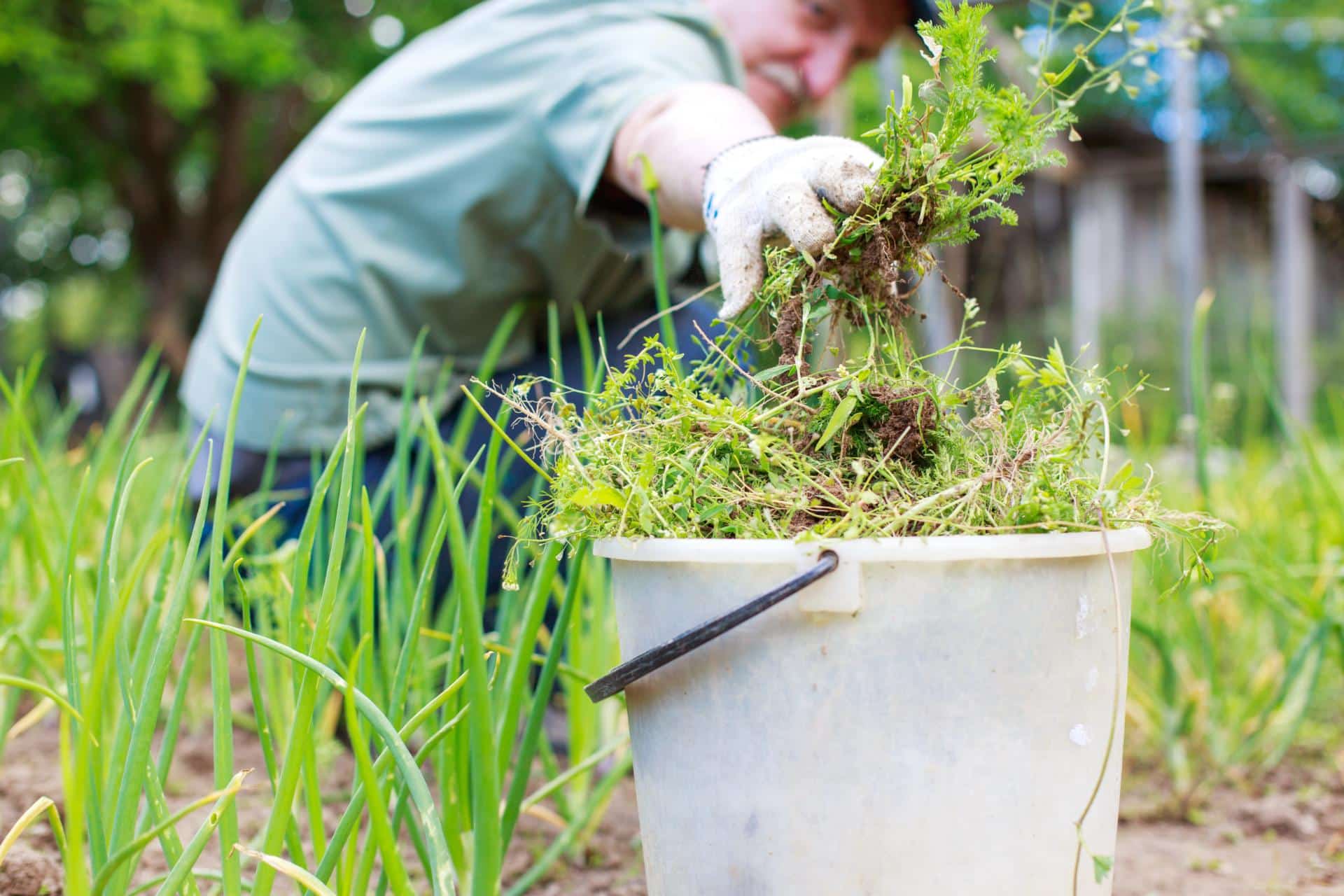
There are several strategies for dealing with weed removal challenges. Manual pulling is effective for new weeds, but the entire root must be removed. This is best done when the soil is moist, as the entire root system will slide out more easily. For prevention, a pre-emergent herbicide applied in early spring forms a barrier that stops seeds from germinating. To kill existing weeds, use a post-emergent herbicide. It is critical to choose a selective formula that targets specific weeds but leaves the lawn unharmed, unlike non-selective weed killers that kill any plant they touch.

Weed Prevention Tips for a Healthy Lawn
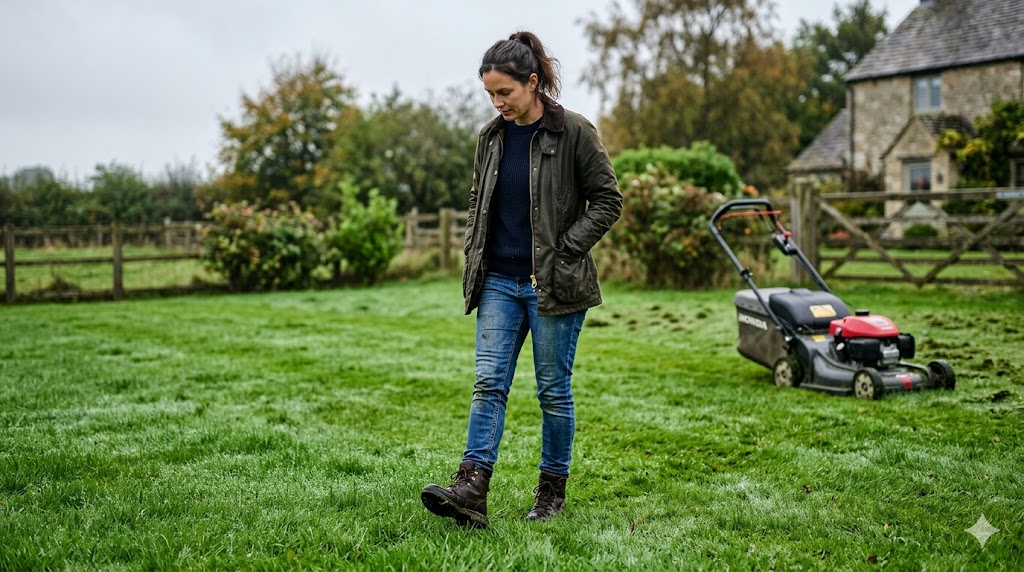
The best long-term strategy is a thick, healthy lawn that leaves no room for invaders. Mow high at 3-4 inches; taller grass shades the soil, preventing weed seeds from getting light. Water deeply and infrequently to build strong turf roots that out-compete the shallow roots of many lawn weeds. Fertilize correctly to promote a thick, vigorous lawn. Finally, aerate and overseed to relieve soil compaction and fill in bare spots.
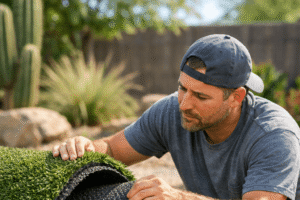
For homeowners seeking a permanent, beautiful alternative to the constant cycle of weeding and maintenance, artificial turf offers a compelling solution. It eliminates the possibility of weeds, providing a consistently perfect look without the need for water, fertilizer, or herbicides. Modern turf is highly specialized; options range from durable nylon that withstands heavy foot traffic to soft, cushioned polyethylene perfect for pet areas and playgrounds. Understanding the key differences between these types of artificial grass, including their material and pile height, is the first step in choosing the right permanent solution for your landscape.
From Knowledge to a Weed-Free Lawn
The first and most critical step in winning the war against weeds is correctly identifying the different types of weeds in grass. Once you know your enemy, you can select the most effective control method, whether it’s manual removal or a targeted herbicide. However, the ultimate goal extends beyond simply removing weeds; it’s about cultivating a lawn and garden so healthy and dense that it becomes its own best defense. By being proactive and nurturing a robust turf ecosystem, you create a vibrant, resilient yard that naturally crowds out and resists these unwanted guests.