
A durable patio relies entirely on the structural engineering hidden underground. Most homeowners focus on choosing the right stone pattern or comfortable furniture, but the longevity of your patio landscaping depends on drainage, soil compaction, and base preparation. If you skip these technical steps, even the most expensive pavers will heave, crack, and settle within a few years.
You’re building an outdoor room that has to withstand weather, weight, and time. To protect your investment, prioritize structural integrity over surface aesthetics.
Plan Before You Plant or Build
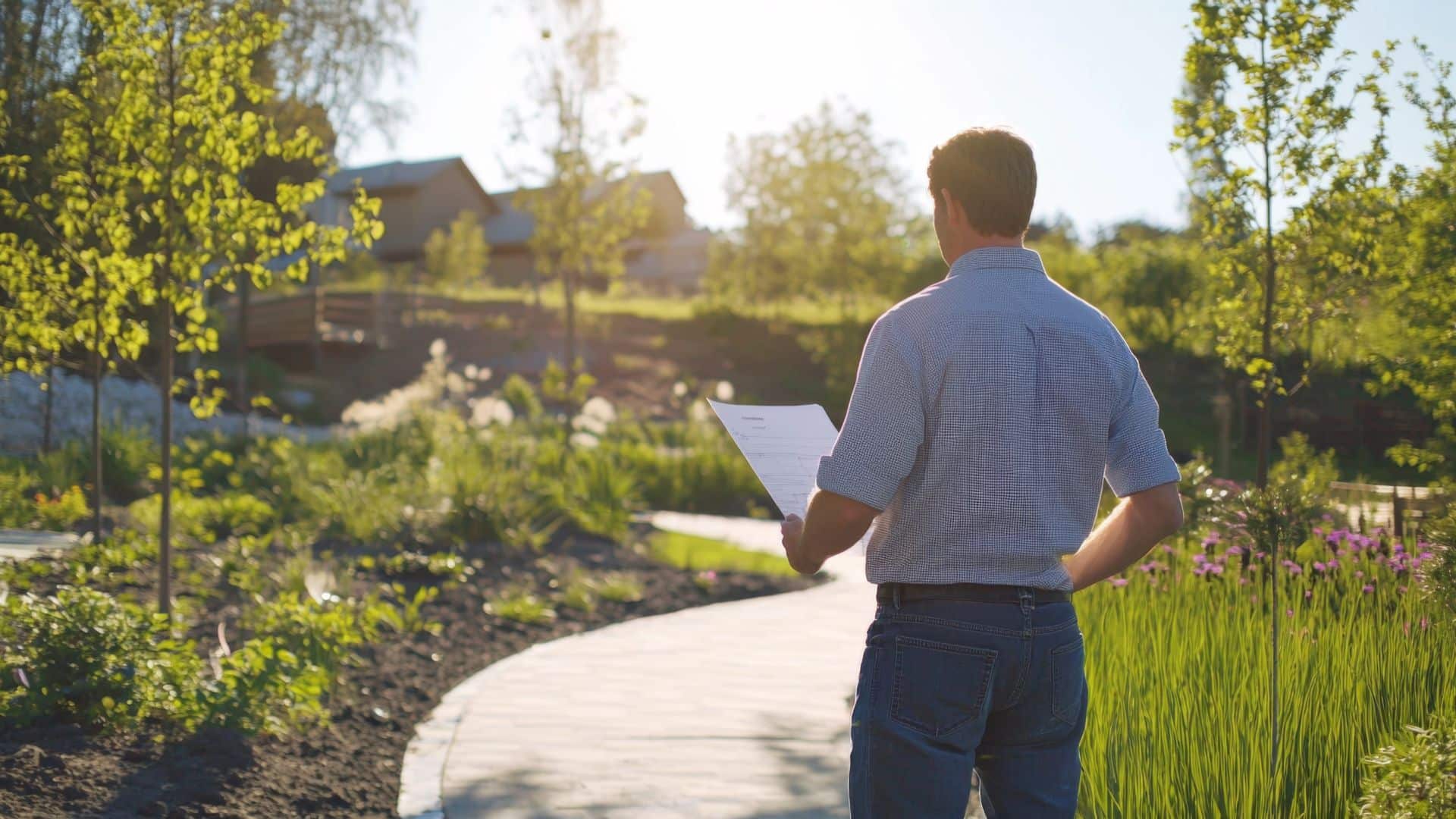
Treat your patio as a series of distinct zones rather than one big slab. Without proper zoning, patio and backyard designs fail when they lack flow. For example, map out exactly where you’ll cook, eat, and relax before you break ground.
If you don’t account for the “human envelope,” your space will feel cramped. A dining area needs at least 3 feet of clearance behind every chair so that the guests can slide back safely. This means a functional dining zone requires at least 10 to 12 feet in width.
Additionally, align your outdoor living space with the interior of your home. Sightlines should flow from your indoor living room directly to a focal point outside, like a fire pit, making the garden patio feel like an intentional extension of the floor plan.
Common Patio Landscaping Issues
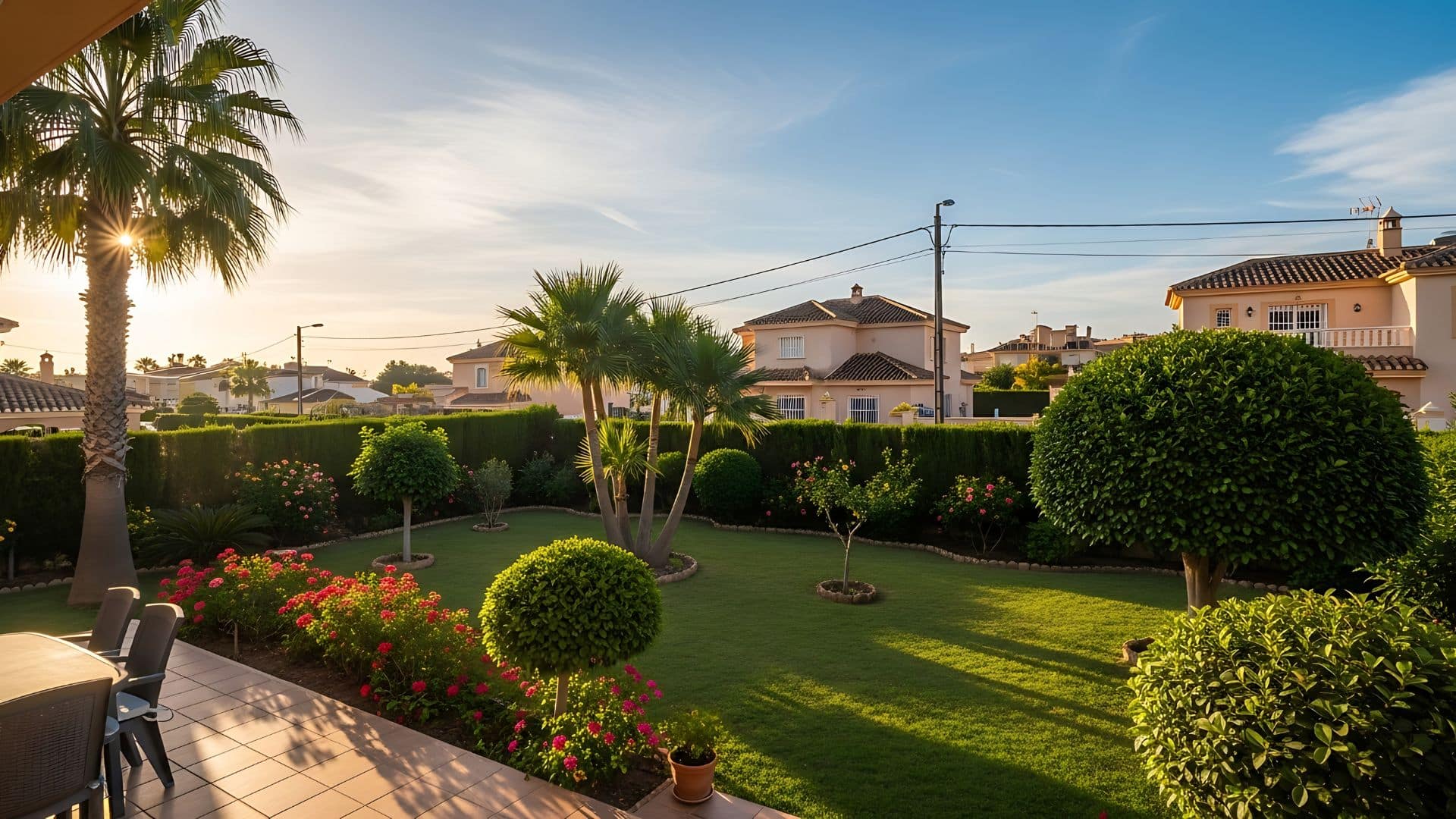
Most project failures stem from specific, preventable errors during planning and installation. Avoiding these mistakes saves you from expensive repairs later.
Ignoring Drainage and Slope
Water is the single most destructive force against the landscape. You must ensure proper drainage by grading the patio away from the home’s foundation. Standard building codes usually require a slope of about 2 percent, which translates to a one-quarter-inch drop for every foot of distance.
If you leave the patio flat, water will pool on the surface. In porous stone, standing water causes spalling when it freezes. In the desert, hard soil layers like caliche trap water underground, creating a sealed basin that drowns roots. Breaking through these layers often requires heavy equipment and the expertise of professional Las Vegas landscapers. Ignoring sub-surface soil conditions risks creating a swamp beneath the pavers.
Choosing the Wrong Paving Materials
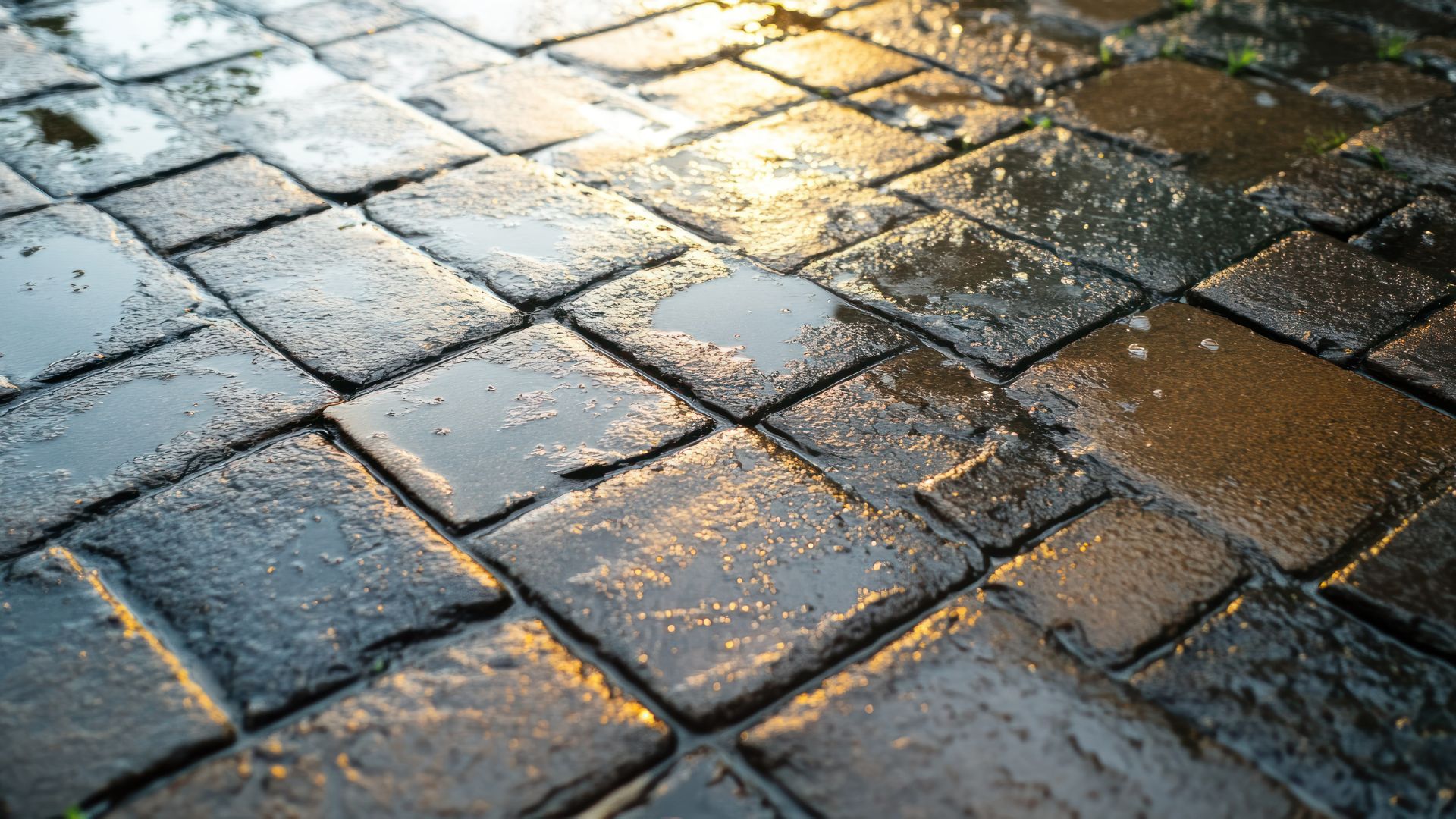
Selecting paving materials based solely on color or price leads to regret. Consider the physical properties of the stone, especially thermal mass and porosity. Dark materials absorb massive amounts of heat. In sunny climates, these surfaces can reach temperatures over 150 degrees, making them unusable during the day.
Porosity matters just as much. Soft sandstones act like sponges. If you spill wine or grease in a dining area, porous stone will absorb the stain permanently.
For high-traffic areas, patio landscape ideas often shift toward high-density materials. Contemporary projects frequently use porcelain pavers because they are stain-proof and scratch-resistant – a staple in modern landscape design where durability meets clean aesthetics.
Skimping on Base Preparation and Installation
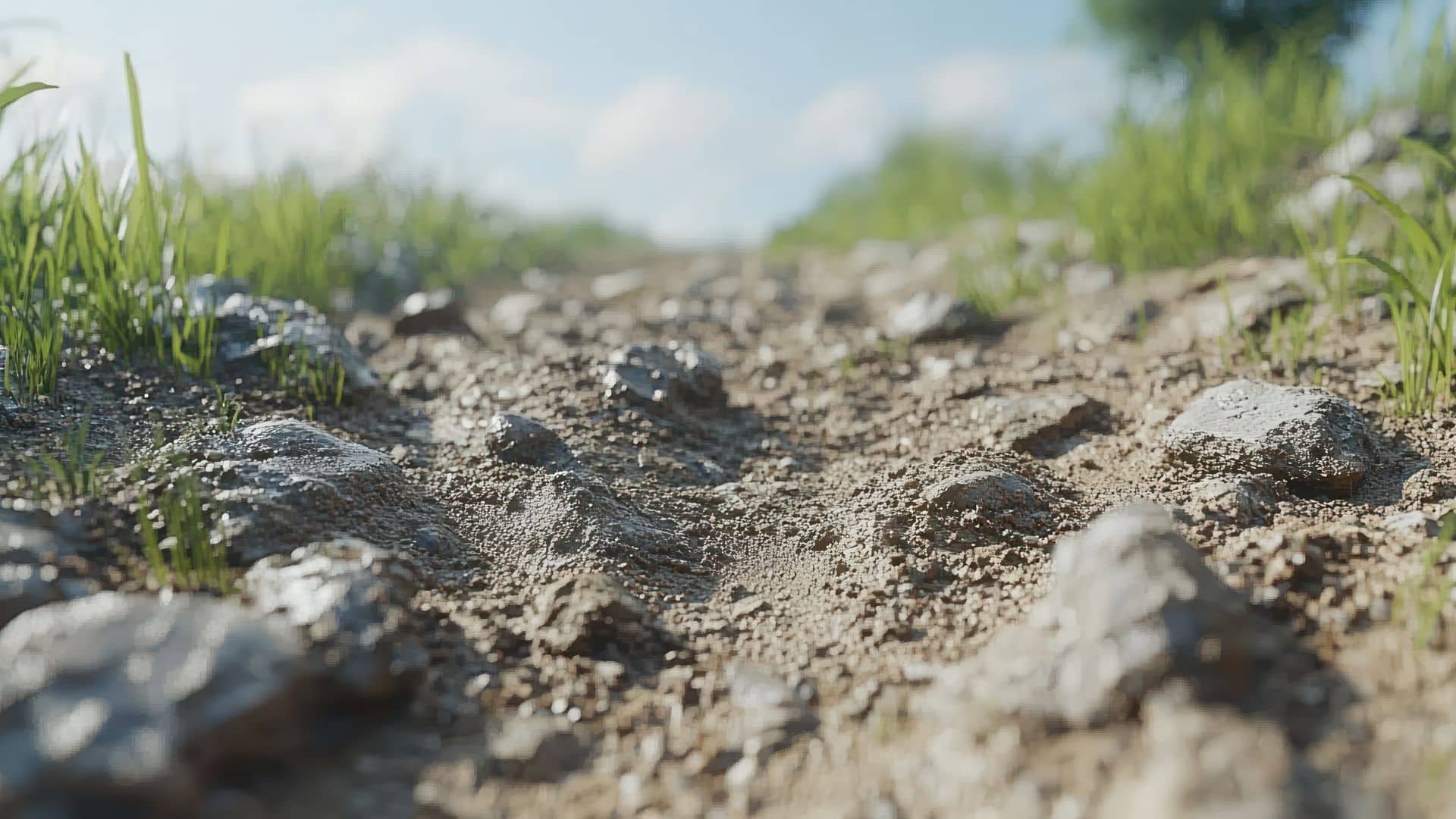
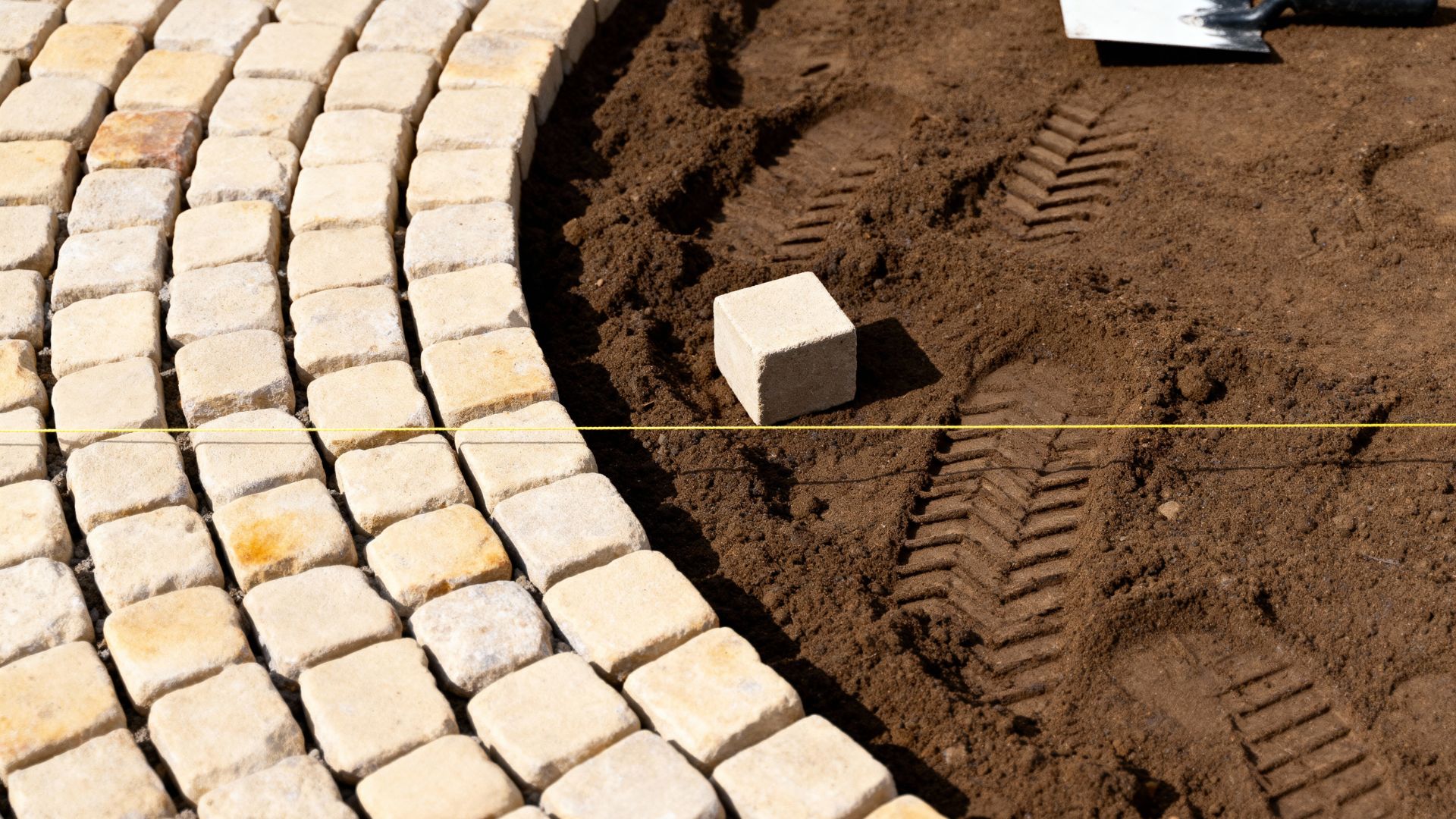
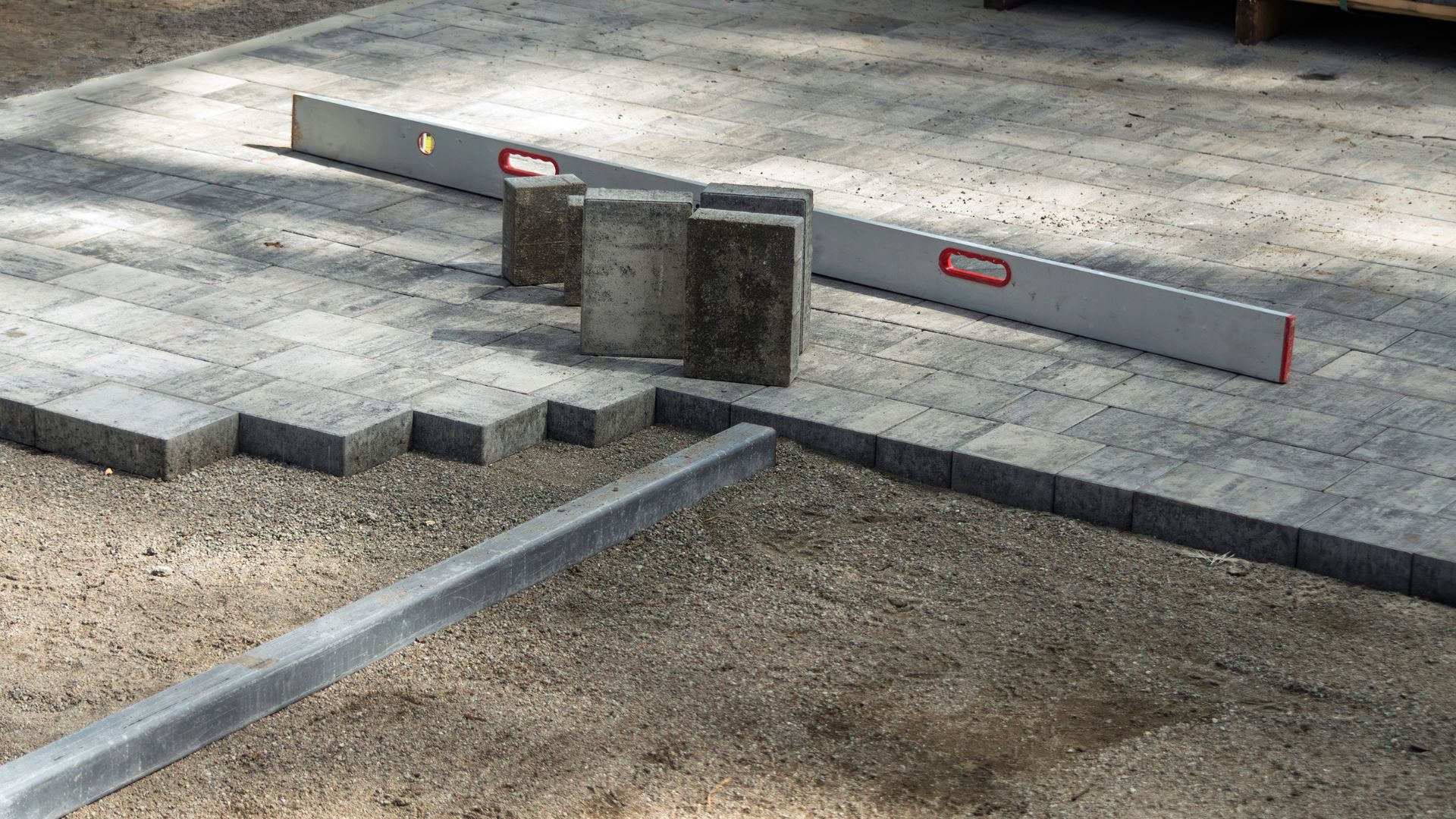
The most critical part of your patio landscaping is the part you’ll never see. The base acts as the spine of the project. A common mistake is digging just deep enough to hide the paver.
You need to excavate 8 to 10 inches below the finished grade. This depth accommodates four to six inches of compacted aggregate, a one-inch bedding sand layer, and the paver itself. If you have clay soil, install a geotextile fabric between the soil and the gravel to prevent destabilization.
Compaction is equally important. You must compact gravel in two-inch or three-inch layers. If you skip this, the bottom layers remain loose and will eventually settle, causing the patio surface to sink.
Under‑Budgeting Your Project
Quality hardscaping is expensive because it requires labor-intensive site preparation. Many homeowners allocate their entire budget to visible finishes and leave nothing for infrastructure.
If you try to save money by reducing the depth of your base or skipping drainage pipes, you guarantee failure. A cheap installation often costs more in the long run when it requires full removal and replacement. For a realistic assessment of what a lasting project costs, contact us for a consultation before you commit to a budget.
Ignoring the House and Surroundings
Your patio needs to fit the architecture of the home. Considering this, put a massive patio behind a small cottage and you’ve just built a parking lot. A tiny patio behind a large estate feels cheap.
Choose materials that complement your home’s exterior. If your house is made of brick, use a neutral stone that provides contrast. The transition from the house to the backyard deck or patio should feel seamless.
Forgetting Function and Scale
Many yard patio designs fail because they don’t account for the scale of furniture. A 10-foot square sounds large, but once you add a table and chairs, it becomes impossible to walk through.
Mock up the space using rope or spray paint to outline the patio on your lawn, then place the actual furniture inside the lines. If it feels tight now, it will feel tighter once the stone is laid. Even with limited space, you can create a functional retreat using vertical elements and smart small backyard landscaping ideas to maximize the footprint.
Neglecting Plants and Landscaping Around the Patio
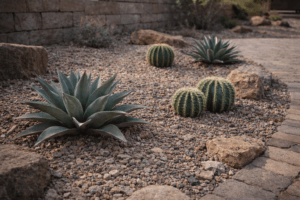
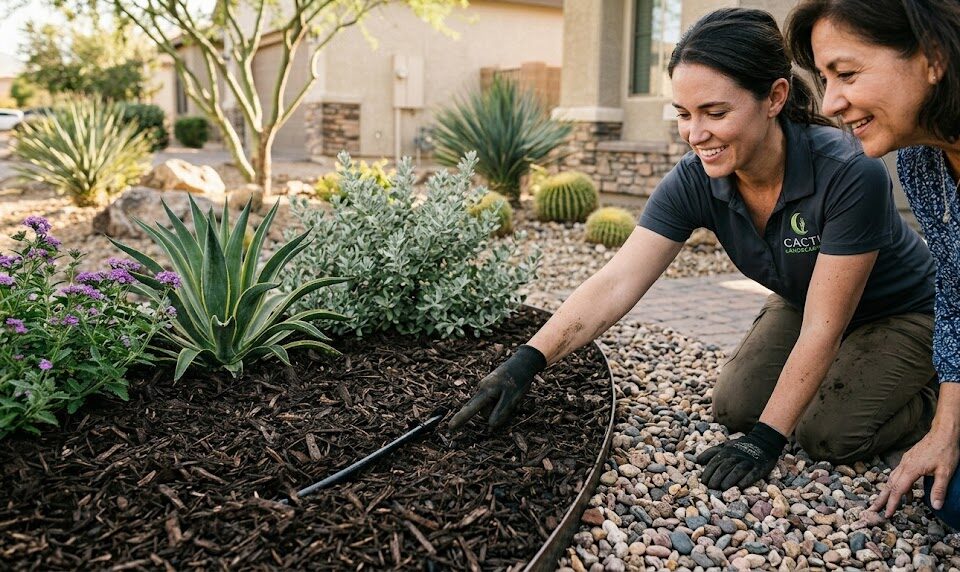
Hardscape needs softscape to balance it out. A patio without plants feels cold, and thoughtful residential landscaping in Las Vegas, using well-chosen plants and patio design, helps warm the space and tie it into the rest of the yard. Avoid trees with aggressive surface roots near your paving. Roots from Maples or Willows can lift concrete slabs and topple walls.
Consider maintenance when choosing plants. Trees that drop berries or sap near the patio will stain the stone. The hardscape also reflects heat, creating a microclimate that can scorch delicate plants. Keeping these plants alive requires consistent attention, so consider professional help from Las Vegas landscapers to ensure your irrigation is tuned correctly.
Best Practices for a Long‑Lasting Patio Landscape
Building a patio that lasts requires following a strict order of operations. Start with a site analysis. You need to know your soil type and slope, and grading requirements before deciding where to put the functional zones.
Next, install underground utilities. Run gas lines, electrical conduit, and irrigation sleeves before you lay gravel. When you select materials, prioritize low‑maintenance design. High-quality concrete pavers or sealed natural stone offer the best balance of looks and longevity.
Integrate your planting plan with the hardscape. Use hydrozoning to group plants with similar water needs.
Final Thoughts
A well-built patio increases the home’s value and your quality of life. Avoid the most common patio landscaping mistakes by respecting the engineering requirements of your patio and landscaping project. Focus on what goes underground first. Proper drainage, a deep, compacted base, and smart material choices ensure your design survives the seasons.