
A leaking irrigation system can waste hundreds of gallons of water every month and increase your utility bills without obvious warning signs. Learning how to find a leak in your irrigation system early helps prevent landscape damage, soggy soil, foundation problems, and expensive repairs later.
Finding Irrigation System Leaks: A Step-by-Step Process
Finding an irrigation leak early can help prevent water waste, landscape damage, and expensive repairs. By checking your system one section at a time, you can usually narrow down the problem quickly and identify where water is escaping.
Check Your Water Meter for Signs of a Leak
Start by turning off all water sources inside and outside your home, including faucets, appliances, and the irrigation system. Check your water meter and write down the reading. Wait about 30 minutes without using any water, then check the meter again.
If the reading changes, water is flowing somewhere it should not be. Turn the irrigation system back on and check the meter again. If the meter moves faster while the irrigation system runs, the leak is likely in the irrigation lines.
Inspect Visible Pipes, Valves, and Sprinkler Heads
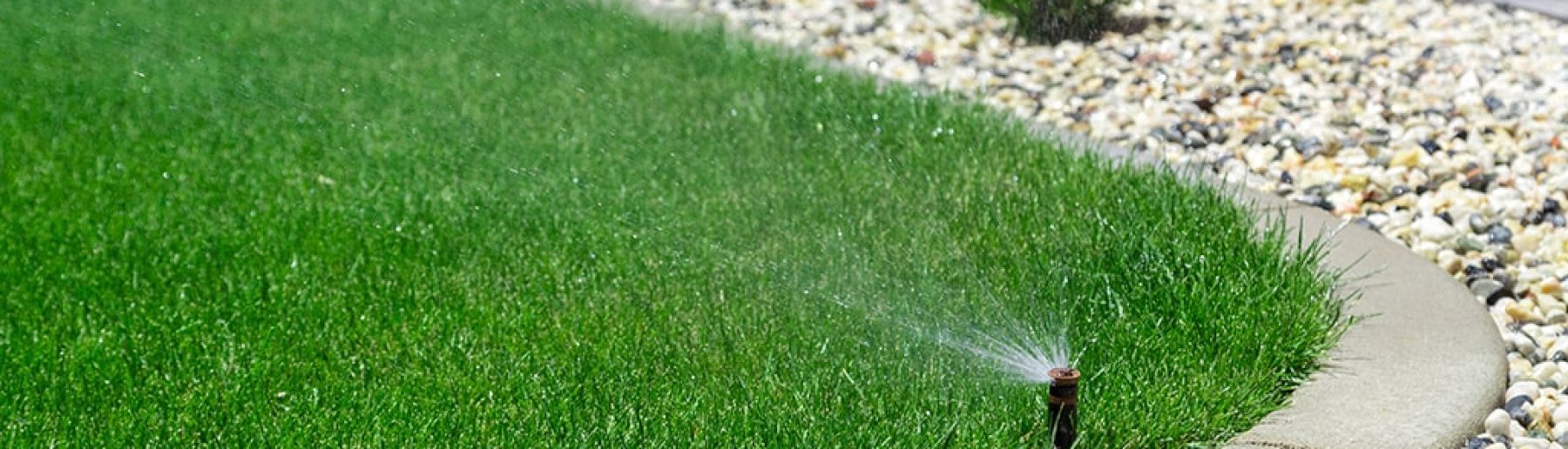
Walk through every irrigation zone while the system is running. Look closely at each sprinkler head.
Signs of a leak include:
- Water bubbling around the base
- Sprinkler heads that do not rise fully
- Uneven spray patterns
- Water spraying in the wrong direction
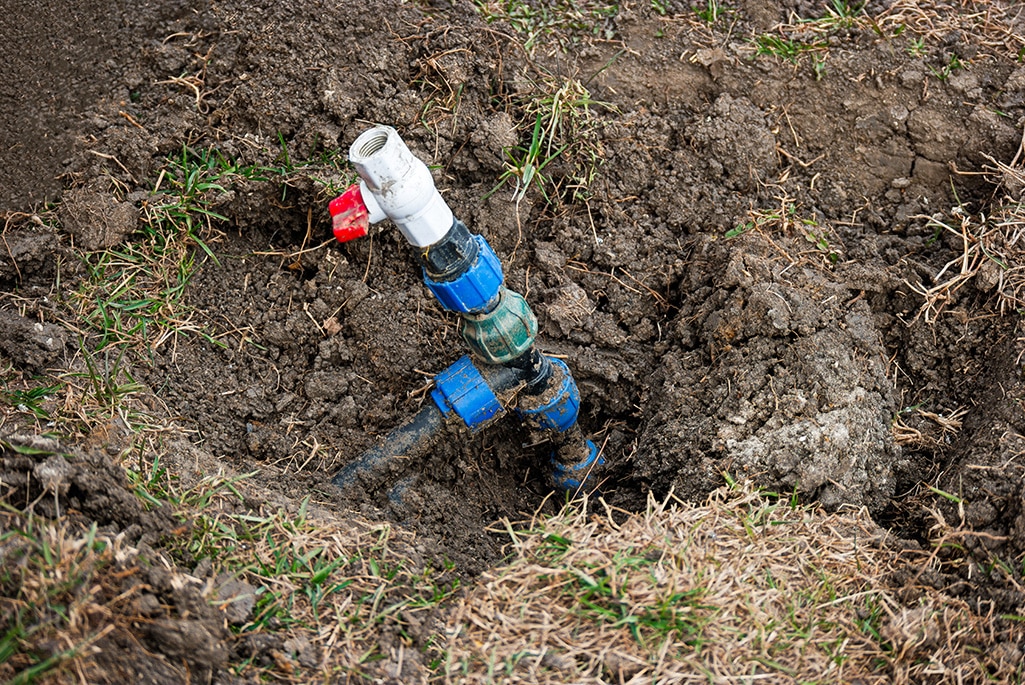
Check exposed pipes near valve boxes for drips, cracks, or white mineral buildup. Standing water inside a valve box is also a common sign of a slow leak.
Run a Zone Test to Find the Problem Area
Turn on one irrigation zone at a time and let it run for several minutes. Watch the water meter during each cycle.
If one zone causes the meter to spin much faster than the others, that section likely has a leak. This makes it easier to narrow the problem down to one part of the yard instead of searching the entire system.
Look for Wet Spots or Soggy Soil
Walk around your yard with the irrigation system turned off. Look for:
- Wet patches
- Soft soil
- Pooling water
- Grass that looks greener than surrounding areas
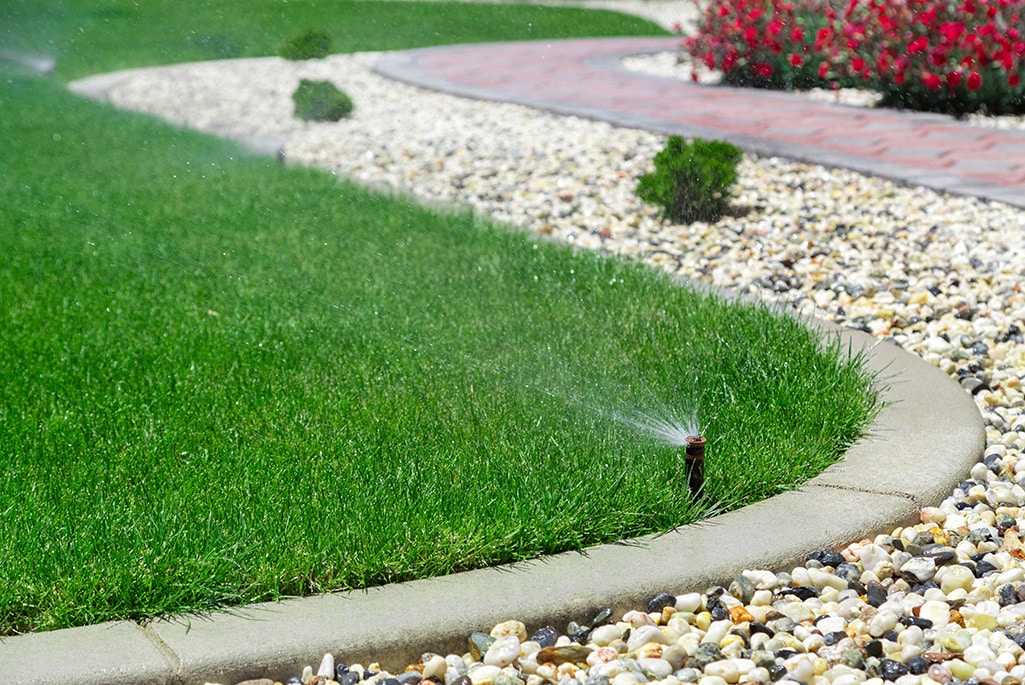
In desert landscaping, leaks often appear as dark wet spots in gravel or rock beds where water should not collect. These areas usually sit directly above a cracked pipe or damaged fitting.
Check for Low Pressure or Uneven Watering
Low pressure in one irrigation zone often means water is escaping before it reaches the sprinkler heads. If some heads spray weakly while others work normally, the problem may be a cracked pipe, leaking fitting, or faulty valve underground.
Uneven watering, dry patches, or overly saturated areas can also point to pressure loss. When these signs appear alongside a higher water bill, an irrigation leak is often the cause.
How to Detect Leaks in an Irrigation System More Accurately
Some irrigation leaks are easy to spot, while others stay hidden underground for weeks or months. Using a few additional detection methods can help you locate hard-to-find leaks more accurately.
Use the Valve-by-Valve Shutoff Method
Close all irrigation valves manually, then open them one at a time while watching the water meter. This helps isolate leaks in the mainline or supply lines that feed multiple zones. If the meter still moves when all valves are closed, the leak is likely located between the water source and the first valve.
Listen for Underground Water Movement
Large underground leaks sometimes create a faint hissing or rushing sound beneath the surface. Walk slowly along buried irrigation lines while the system is pressurized and listen carefully near the ground. This method works best for larger leaks with significant water flow.
Identify Hidden Underground Pipe Leaks
Some underground leaks don’t create obvious wet spots right away. Look for early warning signs such as:
- Small sinkholes or soil erosion
- Shifting or displaced gravel and rocks
- Areas where landscaping suddenly settles or sinks
In Las Vegas yards, disturbed rock or gravel is often the earliest visible sign of a hidden irrigation leak.
Test Irrigation Zones for Pressure Drops
Attach a pressure gauge to a hose bib near the irrigation valves and record the baseline pressure with the system off. Test each zone individually and note any significant changes. A pressure drop greater than normal is a strong indicator that water is escaping through a damaged pipe or fitting.
Common Causes of Irrigation System Leaks
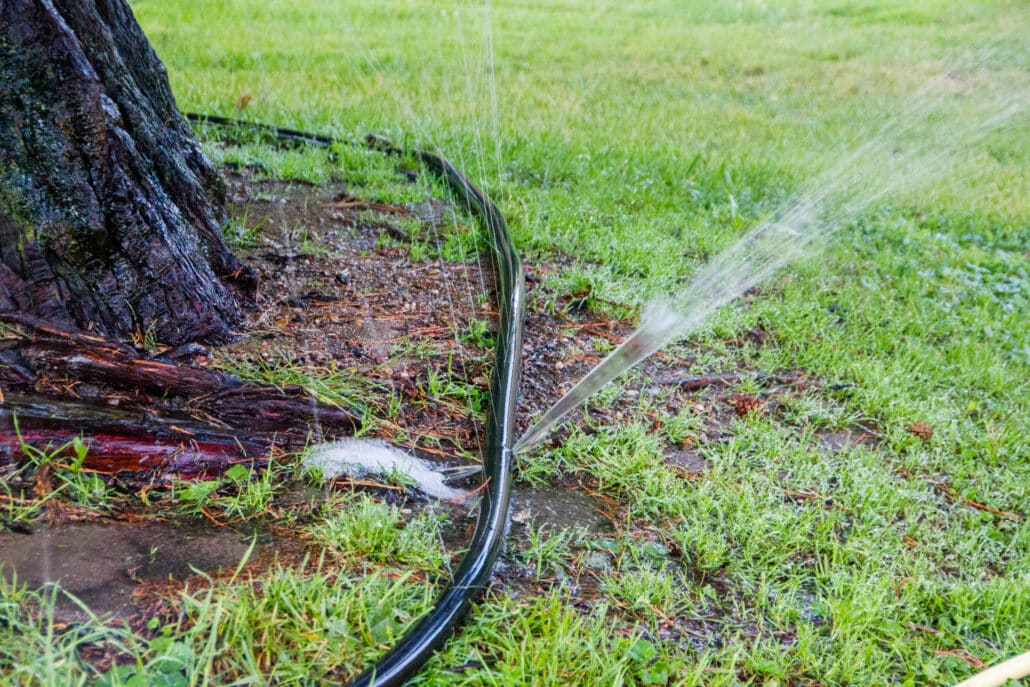
Most irrigation leaks in a irrigation system in Las Vegas come down to worn components, underground pipe damage, or normal system aging. Understanding the most common causes can help you spot problems earlier and prevent larger repairs later.
Broken or Cracked Pipes
PVC and poly pipes can crack from ground movement, extreme temperatures, or accidental damage during landscaping or construction work.
In Southern Nevada, intense heat and temperature changes put extra stress on older irrigation systems over time.
Damaged Sprinkler Heads
Broken sprinkler heads are one of the most common irrigation problems. Lawn equipment, foot traffic, pets, and vehicles can crack sprinkler heads or snap risers. When this happens, water escapes continuously while the zone runs.
Faulty Valves or Fittings
Valves that do not close completely may allow water to leak even when the system is off. Loose threaded fittings can also start dripping over time. These problems often create wet areas around the valve box.
Tree Roots and Ground Shifting
Tree roots naturally grow toward water sources and can damage irrigation pipes underground. Ground settling after rain or nearby construction may also shift pipes enough to separate joints and create leaks.
How to Fix a Leak in an Irrigation System
Some irrigation leaks are simple to repair if caught early. Fixing damaged pipes, broken sprinkler heads, or leaking fittings quickly can help restore proper water flow and prevent unnecessary water waste.
Repair or Replace Broken Pipes
Cut out the damaged pipe section and replace it using the proper fittings and pipe material. Always shut off the irrigation water supply before making repairs.
Replace Damaged Sprinkler Heads
Unscrew the broken sprinkler head and install a matching replacement. Use the same spray pattern and flow rate to keep watering even across the zone.
Seal Leaking Valves and Fittings
For leaking threaded fittings:
- Remove the connection
- Clean the threads
- Apply fresh Teflon tape
- Tighten the fitting securely
Small leaks often stop after resealing the connection properly.
Shut Off Water Immediately for Major Leaks
If water is pooling quickly or spraying heavily, shut off the irrigation system immediately to prevent further damage. Large leaks can erode soil, damage landscaping, and waste thousands of gallons of water in a short time.
In Las Vegas, severe irrigation leaks may also lead to unnecessary overage charges or water-use violations.
When to Book a Landscaper Who Can Detect Water Leak in Irrigation System
Some irrigation leaks are difficult to find or fix on your own, especially when they are underground or affect multiple zones. In these cases, a professional landscaping company can quickly identify the issue and prevent further water loss or damage.
Signs You Need Professional Leak Detection
You should contact a professional if:
- Your water bill suddenly increases.
- Multiple irrigation zones lose pressure.
- You cannot locate the leak yourself.
- The problem keeps returning after repairs.
Recurring leaks often point to larger system issues underground.
Why DIY Leak Detection Does Not Always Work
Some irrigation leaks are very difficult to locate without professional equipment.
Leaks under driveways, patios, or deep underground often require:
- Acoustic leak detection equipment
- Pressure testing
- Thermal imaging tools
These tools help locate hidden leaks without unnecessary digging.
Benefits of Hiring an Irrigation Specialist in Las Vegas
A local irrigation specialist understands:
- Las Vegas soil conditions
- Desert irrigation systems
- SNWA watering regulations
- Common irrigation failure points in Southern Nevada
Working with a local company also means faster diagnosis and more targeted repairs for desert irrigation systems. Cacti Landscapes offers an $80 flat-rate irrigation system evaluation that includes pressure testing, leak inspection, and a full system assessment.
What a Professional Leak Inspection Includes
A complete inspection usually includes:
- Pressure testing for every zone
- Inspection of valves and types of sprinkler heads
- Water meter monitoring
- Leak detection testing
- A repair recommendation report
This helps homeowners understand which repairs are most urgent.
Prevent Future Irrigation System Leaks
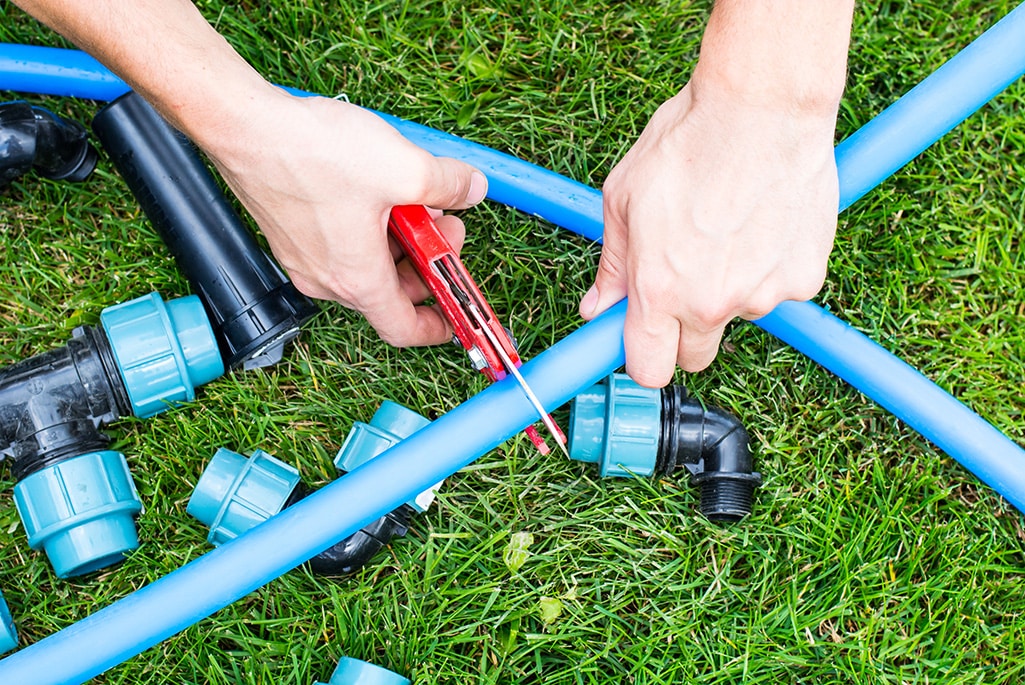
The most cost-effective irrigation strategy is preventing leaks before they start. A consistent maintenance routine pays off year-round in the Las Vegas desert.
Schedule Regular Irrigation Inspections
Plan a full system walkthrough at least twice per year, ideally before the summer peak season and again heading into fall. Run each zone individually, inspect every head, and check all visible pipes and valve boxes. Catching small cracks or loose fittings early prevents them from becoming major breaks.
Upgrade Old Pipes and Valves
VC pipe older than 15 to 20 years becomes brittle and prone to cracking. Proactively replace lines near trees, driveways, or high-traffic areas before they fail.
Adjust Water Pressure Properly
Most residential systems are designed to run between 40 and 65 PSI. Pressure above that range blows out heads and stresses fittings. Install a pressure regulator on your irrigation supply if your home runs high.
Seasonal Maintenance Tips for Desert Systems
At the start of the hot season, check all drip emitters and micro-spray heads for clogs, clean debris from valve boxes, and flush your filters if your system uses them. Before any expected freezing temperatures, run and drain all zones and insulate exposed backflow preventers. After any significant wind or rain event, inspect heads for displacement or damage before resuming normal scheduling.
FAQs
How do you find a leak in an irrigation system quickly?
The fastest method is the water meter test. Shut off all water use, note the meter reading, wait 30 minutes, and check again. If the meter moves, you have a leak. Then run each zone individually to isolate which one is losing water.
What are signs of an underground irrigation leak?
Unexplained wet or soft spots in the yard, areas of grass or plants growing faster than surroundings, displaced gravel or rock, small sinkholes, and a water bill that has increased without a change in usage all point to an underground leak.
How much water can a small irrigation leak waste?
A leak as small as 1/32 of an inch in diameter can waste over 6,000 gallons of water per month at typical residential pressure. In Las Vegas, where water rates include tiered overage charges, even a minor leak adds up quickly.
Can I fix an irrigation leak myself?
Small irrigation leaks, such as broken sprinkler heads or loose fittings, are often manageable DIY repairs. However, underground pipe breaks, faulty valves, and leaks beneath concrete usually require professional equipment and experience.
If the leak keeps returning or affects multiple zones, it’s best to schedule a professional inspection.
How often should irrigation systems be inspected?
At minimum, once per year in spring before the peak watering season. Read more about spring irrigation cleaning. In Southern Nevada, a mid-summer check is also worth considering because extreme heat accelerates wear on exposed components and glue joints.