
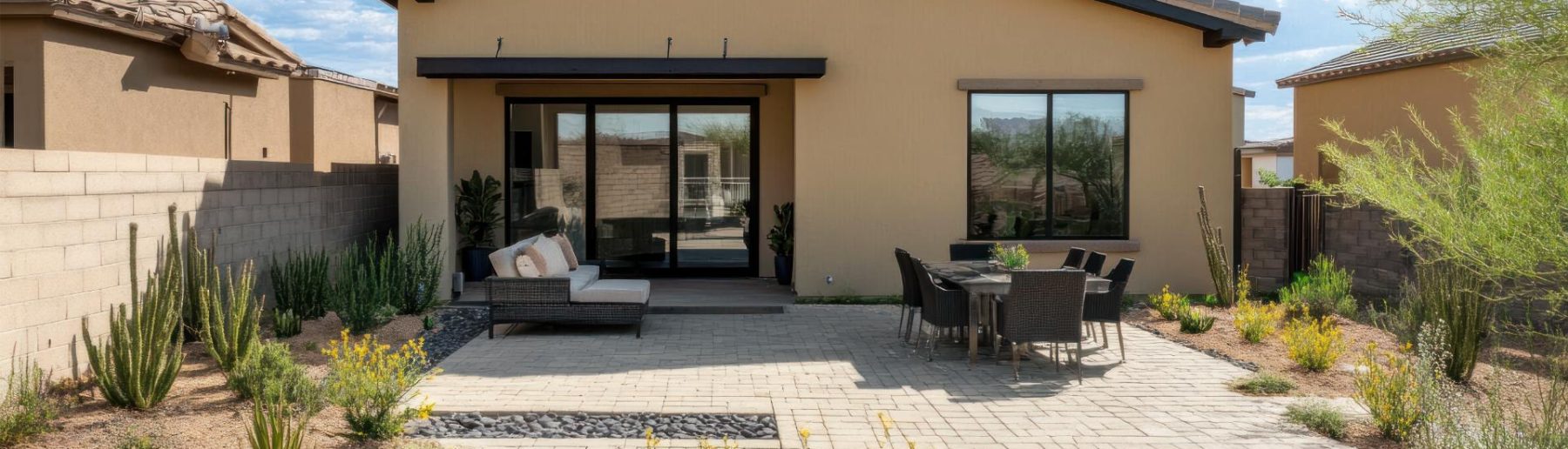
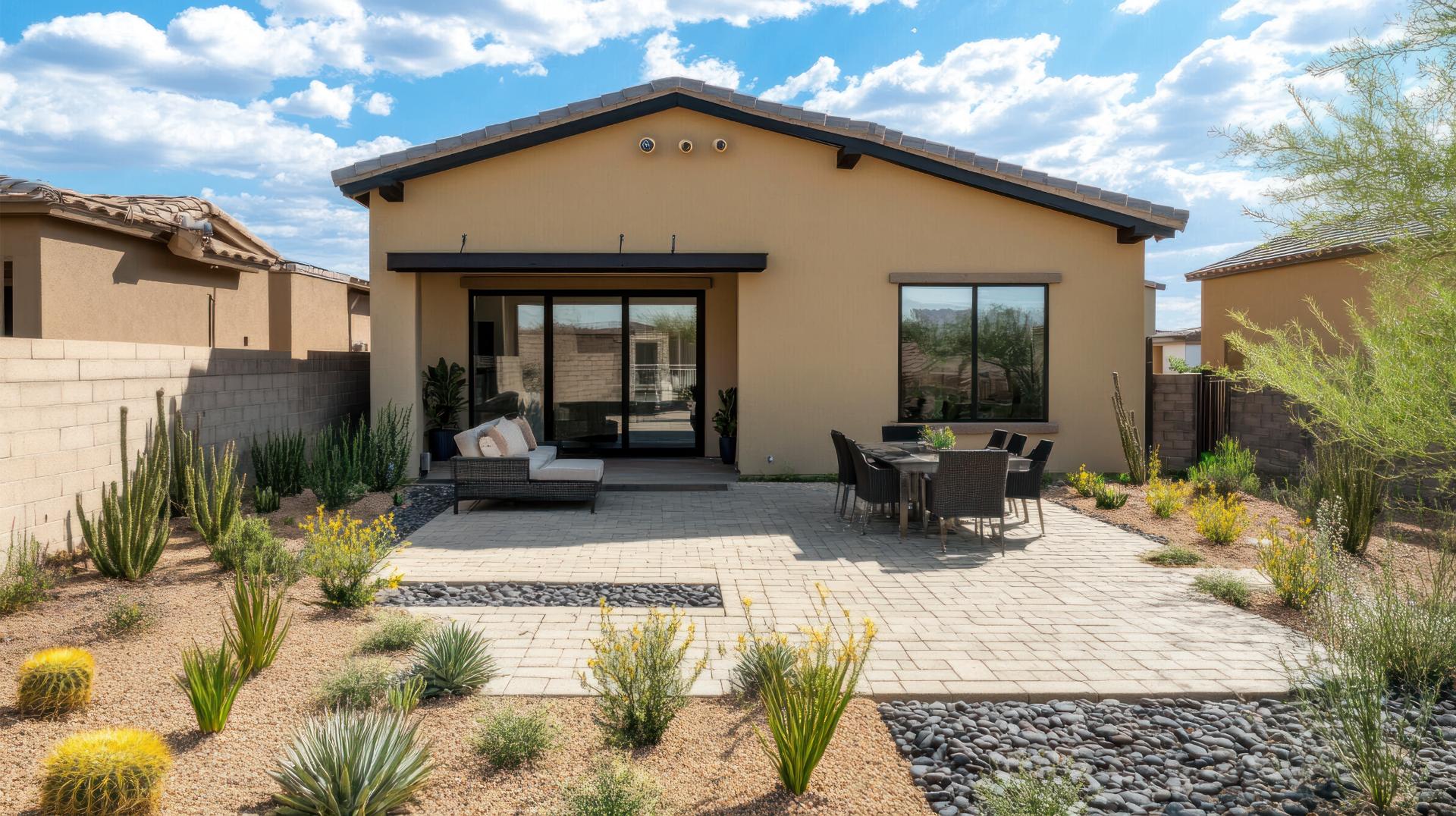
A well-made sensory garden is less a flowerbed and more a living storybook, one that invites visitors to experience nature with all their senses. Imagine running your fingers across velvety leaves, catching the sweet scent of jasmine on the breeze, hearing the gentle rustle of ornamental grasses, and perhaps even sampling a fresh herb or two.
Spending just a little time in a well-designed green space can noticeably calm your body and mind. These environments naturally help you slow down, breathe easier, and feel more at ease—even on the busiest days.
What Is a Sensory Garden?
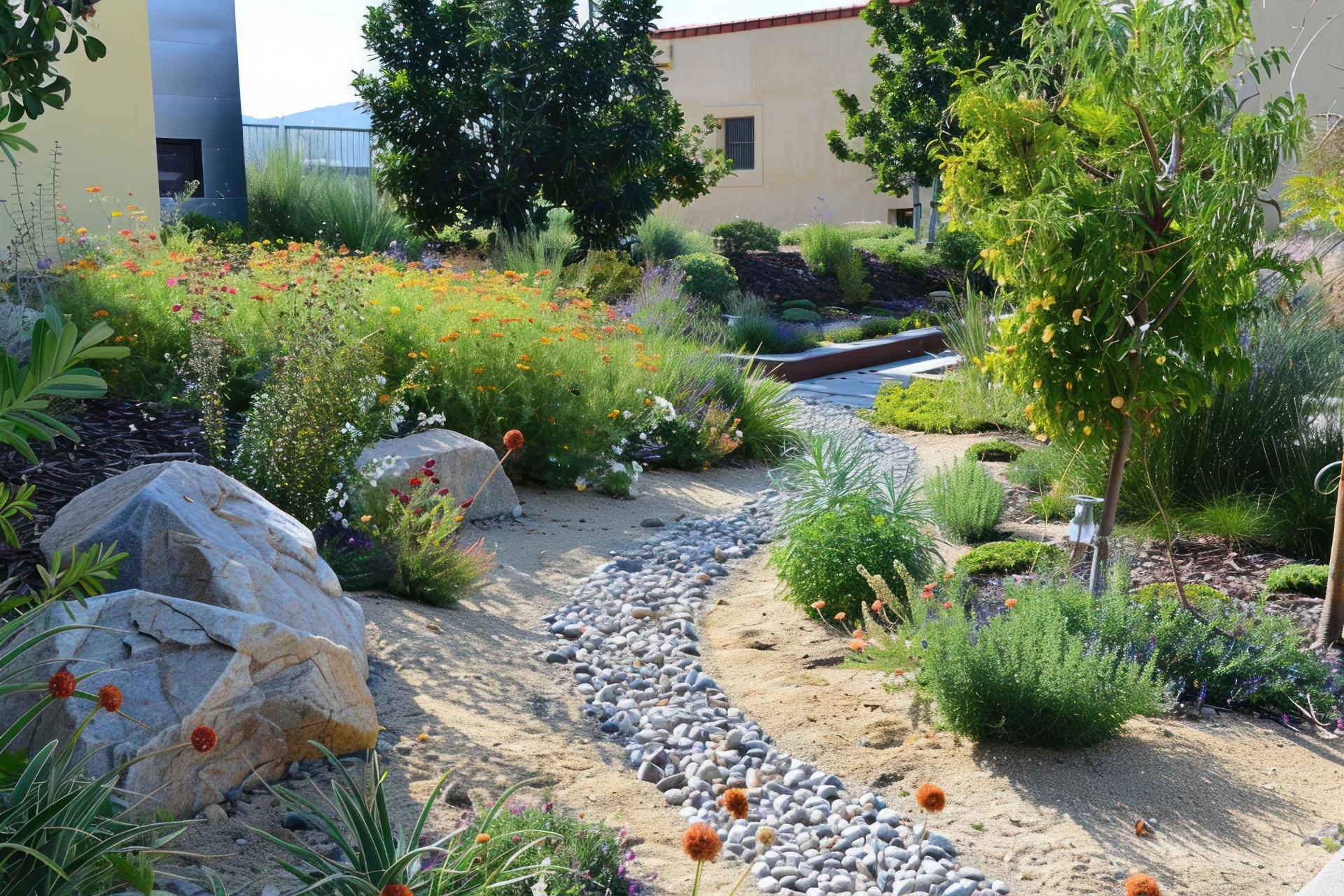
A sensory garden is an intentional blend of plants and features that delivers a full-scale multi-sensory experience. Color blocks arrest the eye. Leaves with velvet fuzz or etched ridges beg to be stroked. Fountains hush background noise while mint, rosemary, and jasmine perfume the air. Some elements even encourage a quick nibble. Every choice does at least one job, often two or three. Getting the plant selection and placement right is where our gardening services come in, especially when you’re aiming for desert-adapted plants that still deliver on sight, touch, and scent.
The Purpose of a Sensory Garden
Used in healthcare, education, and residential yards, a sensory garden doubles as a therapeutic garden, whether it’s part of a home landscape in Las Vegas or a community space, proven to ease anxiety and sharpen focus. It also serves as one of those rare relaxation spaces where phones stay in pockets and conversation slows.
Who Benefits from a Sensory Garden?
- Children refining fine motor skills by rubbing fuzzy lamb’s ear or tasting alpine strawberries
- Office workers resting during lunch breaks among lavender and trickling water
- Older adults navigating smooth paths and clear signage rooted in accessible garden design
- Anyone who enjoys nature’s quiet habit of lowering cortisol without a prescription
Key Elements of a Sensory Garden
Sight: Colors and Visual Appeal
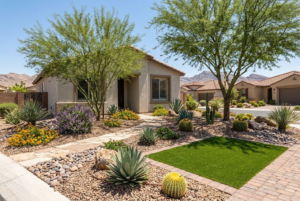
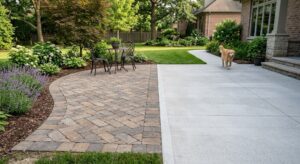
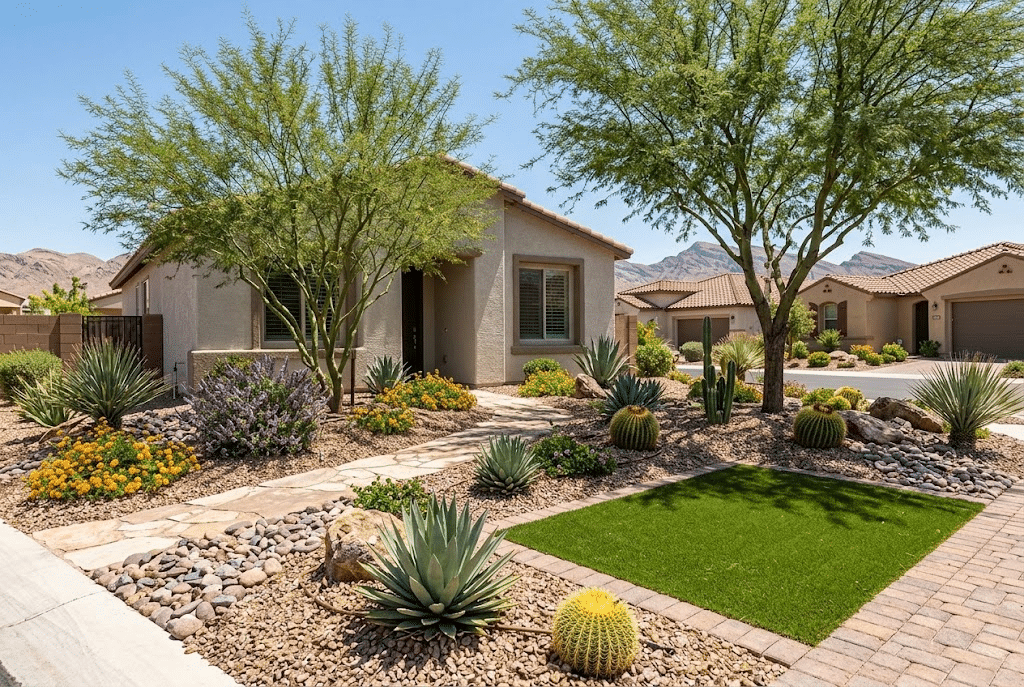
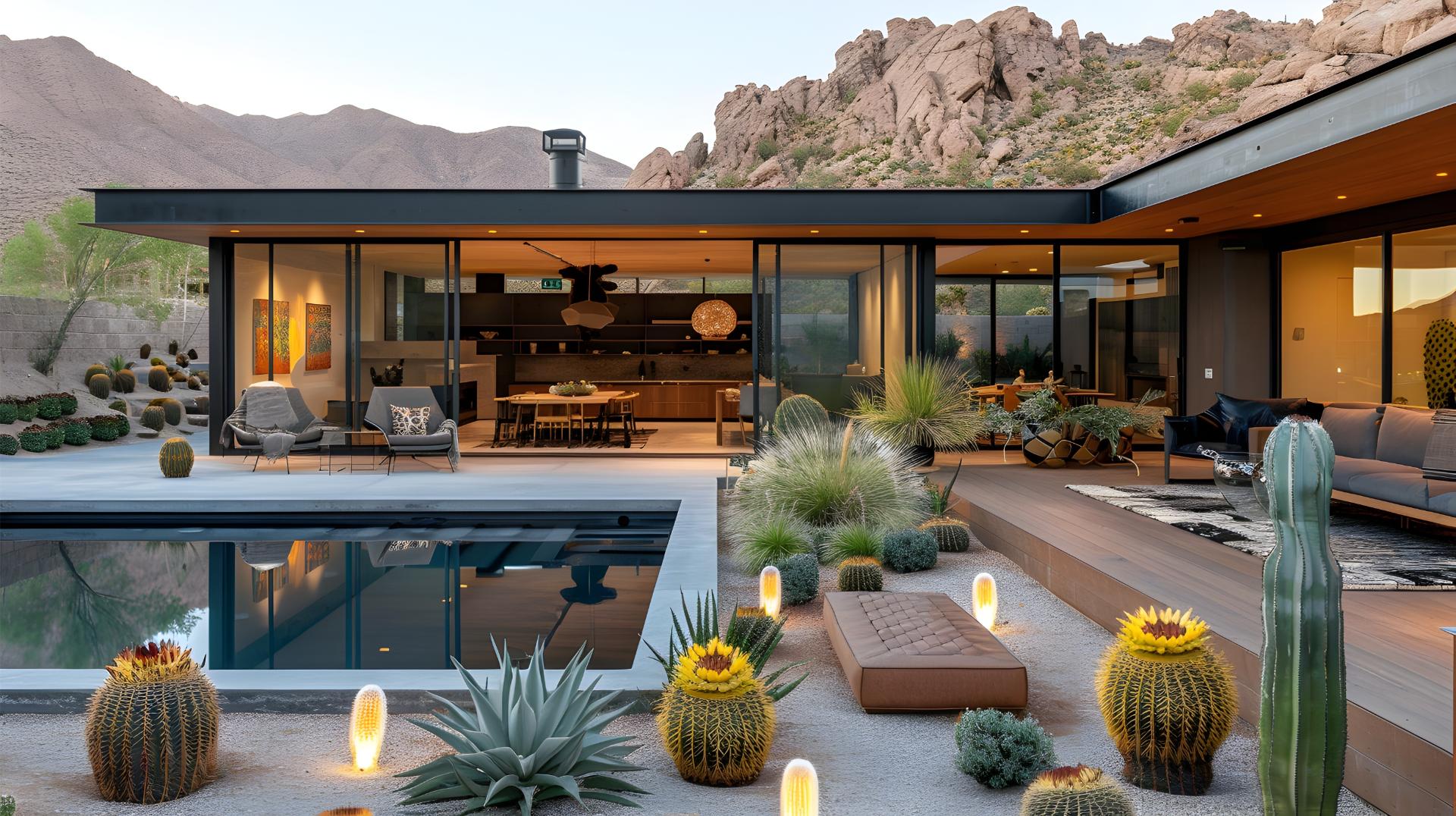
Cool blues and purples instill calm, while blazing reds and oranges spark energy. Tall ornamental grasses sway with every breeze, and a mirrored water feature doubles the surrounding blooms. Dry climate gardeners often pair succulents with gravel, an approach mirrored in sustainable landscape design in Las Vegas and in saving irrigation water.
Touch: Textures and Surfaces
Velvety lamb’s ear, ribbed agave leaves, and feather-soft desert grasses invite gentle exploration. Underfoot, polished pavers shift to crunchy decorative gravel for an instant tactile switch. Low metal or brick borders, see these landscape edging ideas keep paths tidy and add a cool, smooth edge for wandering hands.
Smell: Fragrant Plants and Aromatic Features
Place scented plants where people pause: benches framed by roses, herb beds beside doors, or vine-clad pergolas near seating. Layer winter sweet box, spring hyacinths, summer jasmine, and autumn witch hazel so fragrance never goes missing.
Sound: Natural and Interactive Auditory Features
Fountains hush traffic and lure birds that bring their own music. Ornamental desert grasses rustle softly in the breeze, and suspended wind chimes provide a gentle melody that shifts with every gust.
Taste: Edible Plants and Herbs
Raised planters of basil, mint, and rosemary invite safe sampling. Fig and pomegranate trees give crisp, sweet fruit while doubling as living fences and thriving in our desert climate without the water demands of blueberries or apples.
Designing a Sensory Garden: Practical Considerations
A solid layout ensures that each highlight is easy to reach, see, and enjoy. The quality of the sensory experience depends greatly on thoughtful planning and arrangement of elements.
Layout and Accessibility
Paths at least ninety centimeters wide, level transitions, and waist-high beds honor accessible garden design. A looping walkway prevents backtracking and frames focal points so guests always see the next feature. Effective sensory garden design marries beauty with simple ergonomics; every planter, seat, and stepping stone falls exactly where a visitor’s hand or foot expects it.
Seasonal Interest and Sustainability
### Seasonal Interest and Sustainability
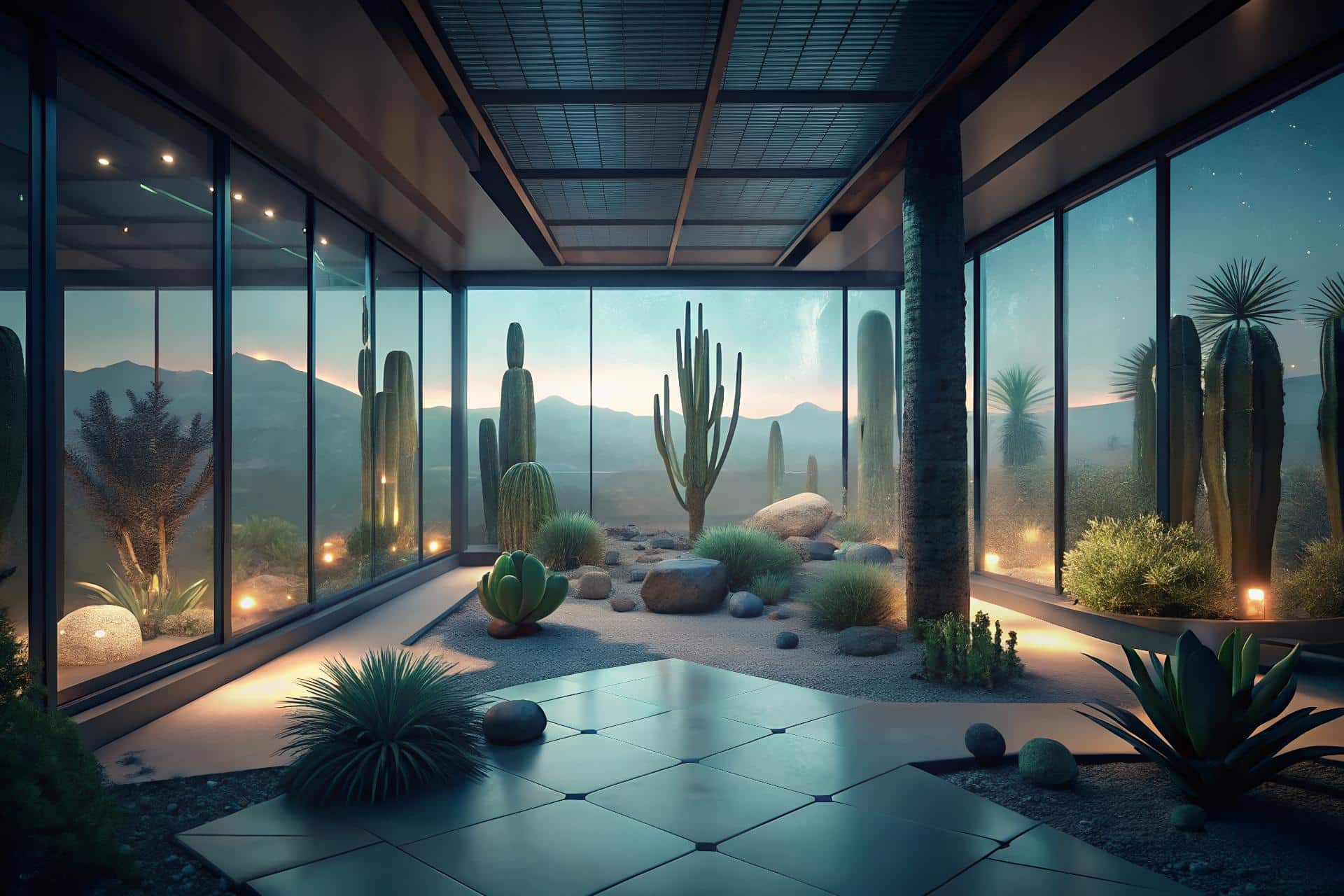
Sound principles of sensory garden design call for combining evergreen succulents and shrubs for winter structure with drought-tolerant perennials that light up spring and summer. In Las Vegas, grouping native and desert-adapted shrubs that sip water, rather than temperate-climate plants that fight the climate, keeps maintenance low and water bills manageable.
Sensory Garden Ideas for Different Spaces
Small Backyard Sensory Gardens
Vertical trellises of scarlet runner beans supply color, motion, and edible pods without gobbling ground space. A tabletop bubbler adds a gentle sound, proof that elegant sensory garden ideas thrive even on postage-stamp lots. Homeowners unsure how to integrate raised beds or sound features can easily contact our landscaping specialists for a detailed site plan.
Sensory Gardens for Schools and Community Spaces
Modular “sense stations” invite students to tap percussion posts, smell herb spirals, or handle texture boards. Bold signage guides exploration and doubles as an outdoor science lab, encouraging group discovery and stewardship.
Indoor and Balcony Sensory Gardens
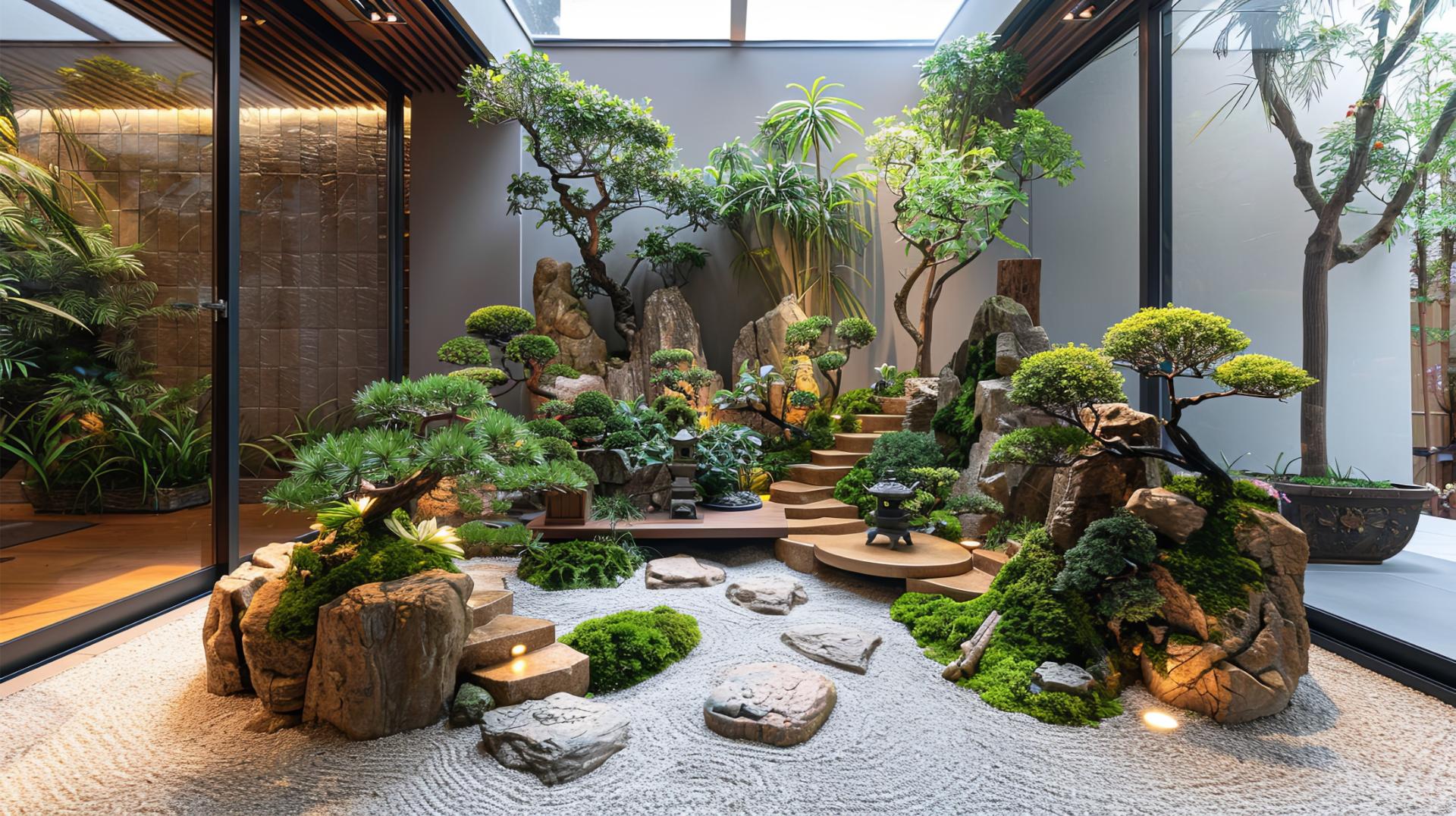
Group rosemary, dwarf citrus, and low-water succulents under soft LEDs for year-round greenery. Window boxes of herbs add taste, while a plug-in fountain hums quietly. These compact displays illustrate versatile sensory garden ideas, twelve stories above ground.
Maintenance Tips
Deadhead flowers weekly to prolong scent and color, skim fountains to keep water clear, and refresh organic mulch each spring for an earthy aroma boost. Discrete solar fixtures extend evening visits, see how thoughtful landscape lighting pairs safety with ambience.
Nature’s Prescription for Modern Life
Research consistently shows that sensory-rich environments can have profound effects on human well-being. A balanced sensory garden proves this point, blending sight, touch, smell, sound, and taste into a daily ritual of breathing deeper and moving slower, built entirely around plants that thrive in our desert climate instead of fighting it.
Ready to design a sensory garden for your Las Vegas or Henderson yard? Call Cacti Landscapes at (702) 370-5000 or request a free estimate.
FAQs
What plants work best in a desert sensory garden?
Rosemary, lavender, desert marigold, and agave all provide sensory interest, sight, touch, and fragrance, while using far less water than temperate-climate plants like blueberries or witch hazel.
Can a sensory garden be low-water in Las Vegas?
Yes, pairing succulents, native shrubs, and drought-tolerant perennials with decorative gravel or rock creates a full sensory experience while keeping water use low, an approach that also supports SNWA Water Smart Rebate eligibility.
Is a sensory garden good for kids or seniors?
Yes, sensory gardens are commonly used in schools, care facilities, and residential yards to support fine motor skill development in children and safe, accessible navigation for older adults.
Do I need special irrigation for a sensory garden?
Not necessarily. Most desert-adapted sensory garden plants thrive on the same drip irrigation systems used for xeriscaping, making it easy to add sensory elements to an existing water-efficient yard.