
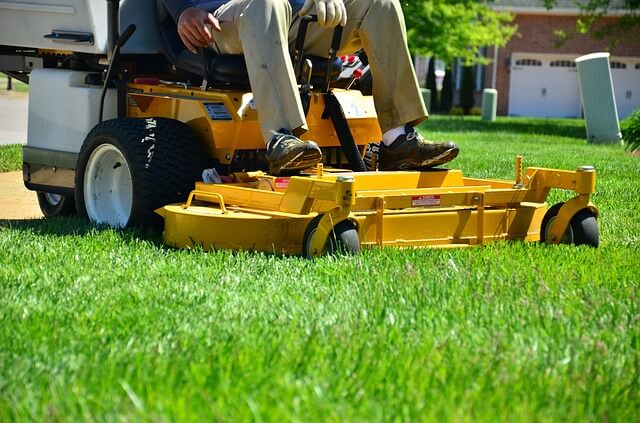
A patchy, brown, or struggling lawn is one of the most common calls we get across Las Vegas and Henderson. Most of these problems trace back to the same root causes: desert heat, caliche soil, and watering habits that work in other climates but not here. Below are the lawn issues we see most often on Bermuda and tall fescue lawns across the Valley, and what actually fixes them.
Inadequate watering
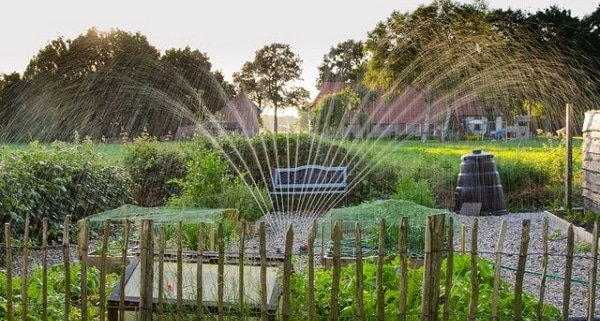
This is the most common cause of dry, brown grass we see. Las Vegas summers push soil moisture out fast, and LVVWD’s seasonal watering-day restrictions mean many homeowners aren’t watering deeply enough on the days they’re allowed to water. Shallow, frequent watering trains grass roots to stay near the surface, which makes the lawn even more vulnerable to heat stress.
The fix is watering deeply and less often, ideally in the early morning, and checking sprinkler coverage regularly. Check your sprinklers for clogged heads, uneven spray patterns, or dry spots at least once a season, since a single broken head can cause a dead patch that no amount of extra watering elsewhere will fix.
Heat Stress and Scalping
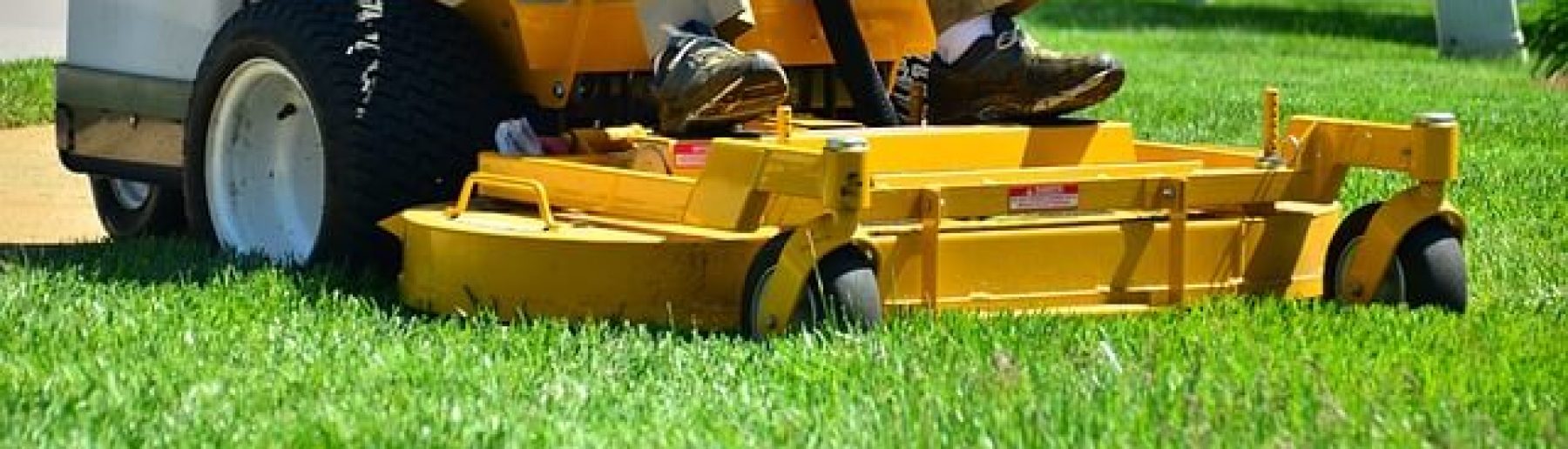
Summer temperatures above 100°F cause grass to lose moisture faster than it can absorb it, and mowing too short during that stretch makes it worse. Bermuda grass cut below 1 inch during peak summer heat will scorch and thin out quickly.
Raise your mower height during June through August, avoid mowing during the hottest part of the day, and never remove more than one-third of the blade length in a single cut.
Lawn diseases
There are some fairly common lawn diseases out there. Some are fungi, some cause rings or dry patches. Lawn repair, in this case, can be as simple as finding the right product. There are “patch repair” products to allow you to kill off the disease, and these can be bought from nurseries.
The important thing is to work out which disease you have. If you have a red tinge to the grass you might have “Red Thread”. This occurs with a lack of nitrogen. You can buy lawn treatments and nutrient products to fix these issues. Establish what disease your lawn might have and find the right product to apply to your grass to treat it.
Pests
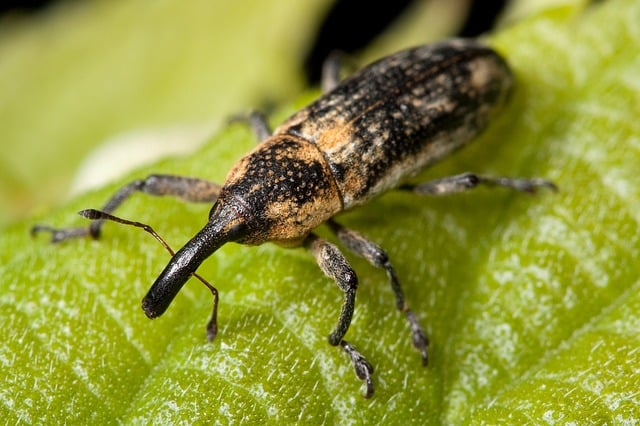
Pests can include grubs in lawns and some types of insects. Pesticides can be used to treat these issues. You can find generic pesticides and even ones that are safe to use and don’t have negative impacts on the environment.
If grubs in lawns are the issue you can use trichlorfon or carbaryl. You need to use rubber gloves and irrigate the lawn before applying, this will kill off grubs and larvae.
Only use pest control products that are good for your lawn!
Pet damage
Pets can enhance our lives but they can be a pain to deal with, especially when it comes to lawn care. Dogs and cats can both enjoy digging in your grass, and their urine can also kill the grass. The urea in the urine is actually a type of nitrogen, and it isn’t bad for the grass in small amounts, but urine isn’t a small amount.
You may be able to train your dog to go in one place. Alternatively, make sure that after your dog has been you apply water, this can help dilute the urea. It’s not an ideal method. Taking your dog for regular long walks can be a good way to avoid the issue.
If it’s the neighbor’s cats, there are products you can buy to try and stop them from coming into the yard.
Compacted Soil
Compacted soil is when the soil isn’t porous enough, and the air doesn’t get in. Treatments are simple, you need to aerate the soil. You can do this with machinery, but the simplest way is to treat the lawn with a rolling aerator which will simply create loads of holes in the soil to bring air into the compacted area.

Heavy Thatch
An aerator can also be used to treat heavy thatch. This is when the layers of dead grass build-up and weave in with the healthy grass. You can get attachments for your aerator, and rolling these over will help to get some of the thatch out of the grass you have. A little won’t be a problem, but too much can start to kill the grass and damage the soil.
Grub Damage
Grub damage doesn’t have an easy fix, but looking after your lawn and properly maintaining it will help the lawn recover. To get rid of grubs, some pest companies use predatory nematodes. This will reduce the number of grubs in your garden, but won’t fix the damage.
Regular watering, fertilizing and raking and aeration will be key to healthy roots and improving the quality of the grass overall. All lawns have grubs, and they can be an issue for anyone, but they can become a lot to handle.
Patchy grass
Patchy grass can be caused by pretty much any of the issues above. The key is to learn how to fix it. Fertilizing the grass could help, and you may even need to reseed or patch in fresh sod in the damaged areas to stimulate growth once more. For larger dead zones, full sod installation is often faster and more reliable than reseeding.
The key is to prevent the patchy grass and make sure it doesn’t occur again. This comes from good lawn repair and lawn maintenance just as much as it does any sort of grass treatment.
Underground Obstructions
If you have underground obstructions such as drainpipes, this can interfere with some of the roots of the grass. It is unlikely that this will cause major issues with your lawn, but it does mean you have to properly maintain the lawn to ensure that no issues and patching in these areas occur. It can happen faster due to the interference with the roots.
Whatever the lawn problems you are dealing with, the key is to make sure it doesn’t happen again. Following tips to maintain healthy soil and a healthy lawn can stop a lot of these problems from ever happening in the first place. Your lawn problem probably isn’t uncommon, and there will be something you can do to treat it!
FAQ
Why is my lawn dying even though I water it regularly?
In Las Vegas, this is usually caused by compacted caliche soil blocking water absorption, sprinkler coverage gaps, or watering too shallowly and too often instead of deeply and less frequently. A soil or irrigation inspection can identify which of these is actually happening.
What bugs damage lawns in Las Vegas?
Chinch bugs and Bermuda mites are the most common lawn pests in the Valley. They cause irregular brown or yellow patches that are frequently mistaken for drought stress, which is why correct identification matters before treating.
How do I fix patchy grass in Las Vegas?
Identify the underlying cause first heat stress, compacted soil, pests, or watering issues are the most common then overseed the affected areas once that cause is addressed. Overseeding alone without fixing the root problem usually results in the same patches returning.
Is aeration necessary for Las Vegas lawns?
Yes, more than in most climates. The Valley’s caliche soil compacts easily and blocks water penetration, so annual core aeration is one of the highest-impact things you can do for lawn health here.
When to Call a Professional
Some lawn problems respond to a mowing or watering adjustment. Others, pest infestations, soil compaction, or recurring patches that won’t resolve need a hands-on inspection to diagnose correctly. Cacti Landscape offers lawn care and maintenance service across Las Vegas and Henderson, and we’re Nevada Licensed Contractor #84942. If your lawn isn’t responding to the fixes above, contact us or call (702) 370-5000 to get it looked at.