
A yard without bees, butterflies, or hummingbirds is missing something. Building a pollinator garden brings all three back, but in Las Vegas, the plants that work in most guides won’t survive our summers. Here’s how to build one that actually holds up here.
What Is a Pollinator Garden?
So what is a pollinator garden exactly? Picture your yard buzzing with life. You’ll see bees going from flower to flower. Butterflies will visit your bright flowers. Hummingbirds will come to feed. You get all this when you plant the right flowering plants that make nectar and pollen. A good pollinator garden looks great in any modern landscape design. Your garden becomes a safe pollinator habitat. Pollinators can find everything they need – food, water, and places to rest.
Why Are Pollinator Gardens Important?
Pollinators help grow the food we eat. About one-third of our food needs them to grow. But these helpful insects and birds are in trouble. They’re losing their homes, and chemicals hurt them. When you make a pollinator garden, you give them a safe place to find food and live.
Choosing the Right Location for Your Pollinator Garden
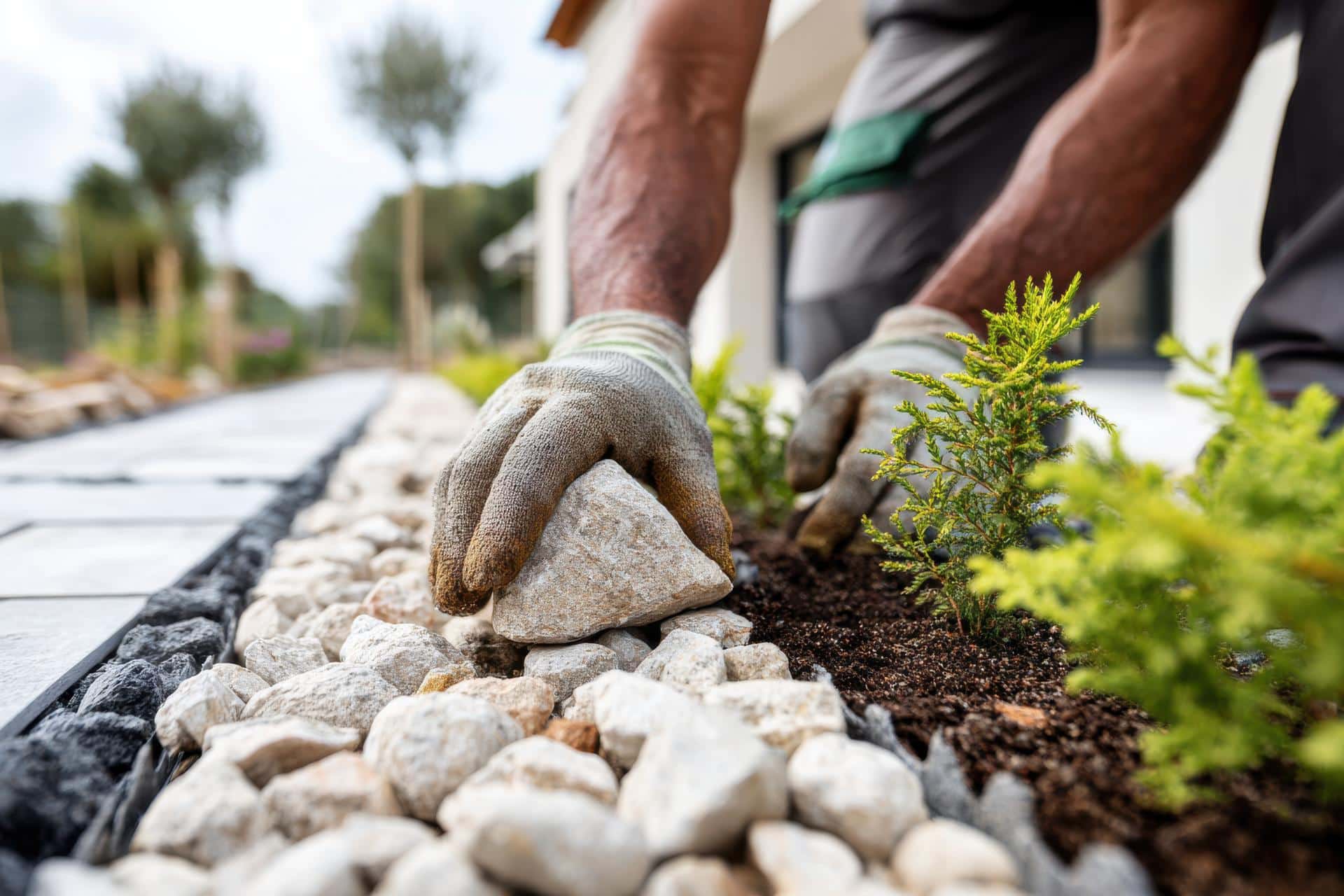
Where you put your garden makes the difference between success and failure. Two things matter most: sun and soil.
Sunlight and Shade Needs
Most flowers that help pollinators love the sun. They need at least 6 hours of sunlight each day. Watch your yard for a whole day. See which spots get the most sun. These are the best places for your flowers.
Soil and Drainage
Your plants need soil that lets water drain out. If water sits too long, roots can rot. Test your soil by digging a hole 12 inches deep. Fill it with water. If water stays there after one day, add compost to make the soil better.
Types of Pollinators
Different bugs and birds need different things from your garden. When you know what each one wants, you can pick the right plants.
Butterflies
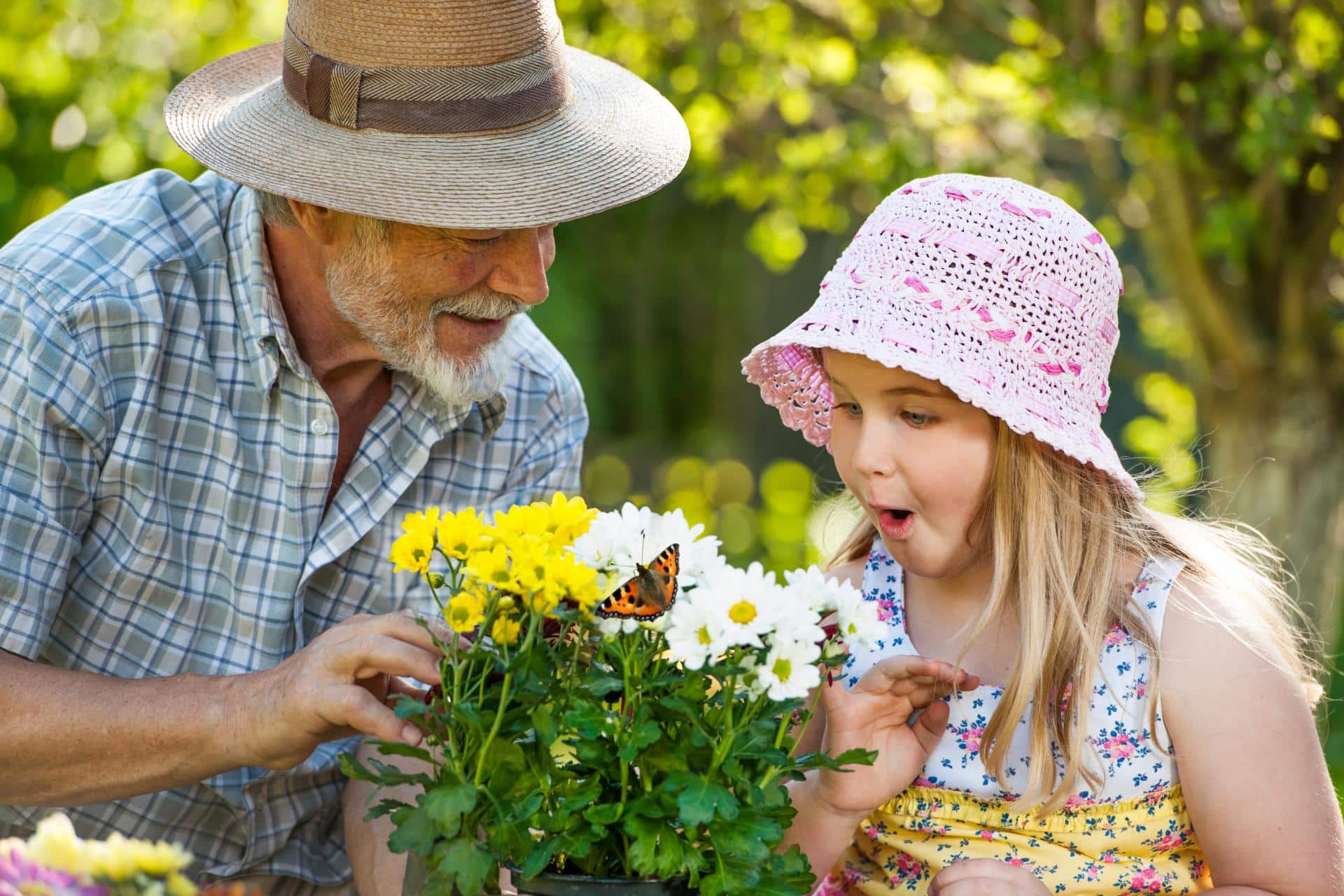
Butterflies like bright red, purple, and orange flowers. They need flat flowers they can land on. A butterfly garden should have special plants where they lay eggs. Monarch butterflies need milkweed plants to have babies.
Bees
Bees are the best at helping plants make seeds. They like blue, purple, and yellow flowers. Native bees, like bumblebees, work better than honey bees for local plants. Bees collect pollen to feed their babies. This makes them really good at their job.
Hummingbirds
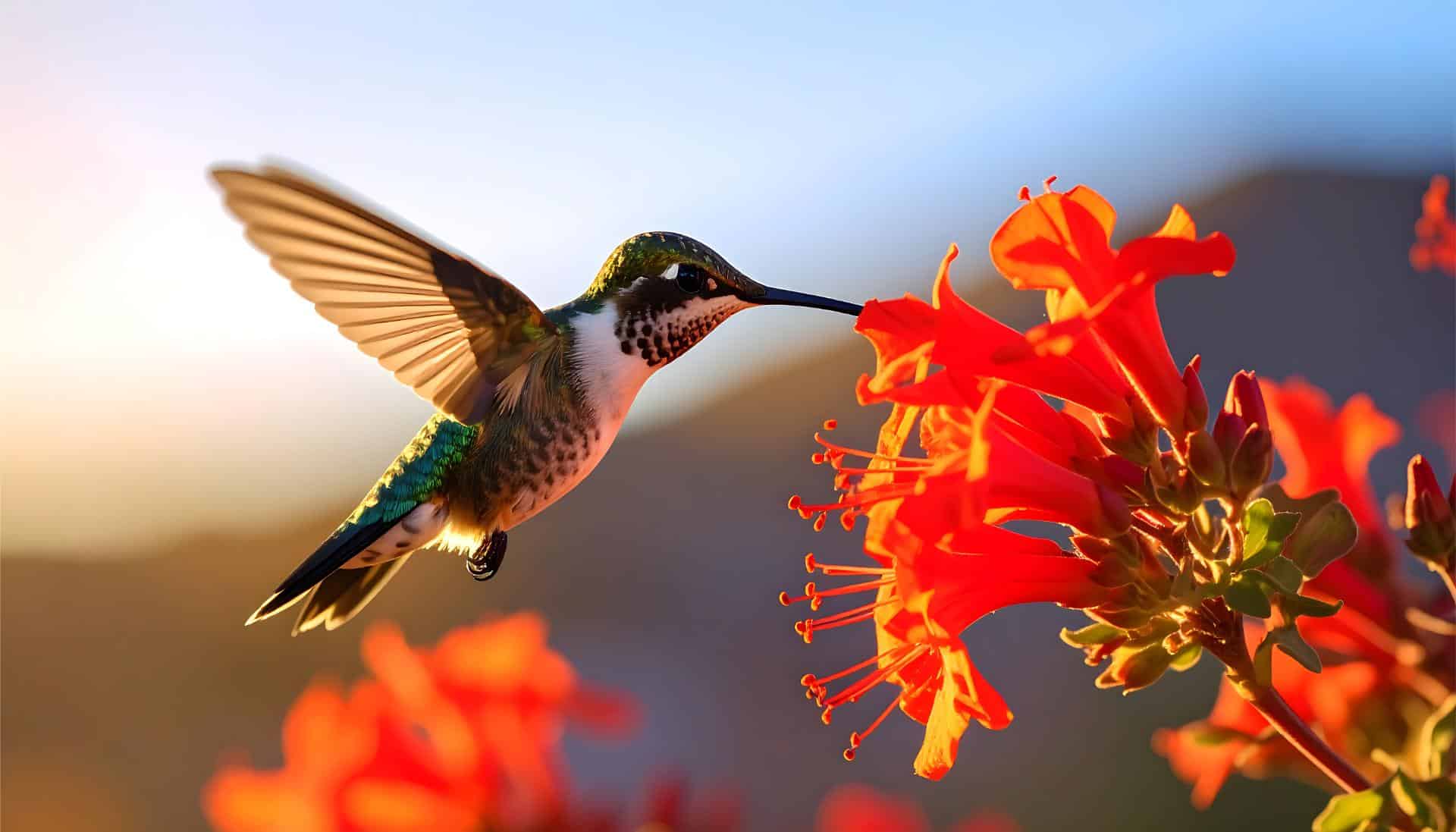
These tiny birds eat all day long. They visit hundreds of flowers each day. They like tube-shaped flowers that are red and orange. But they will visit other colors too.
Pollinator Gardening in a Desert Climate
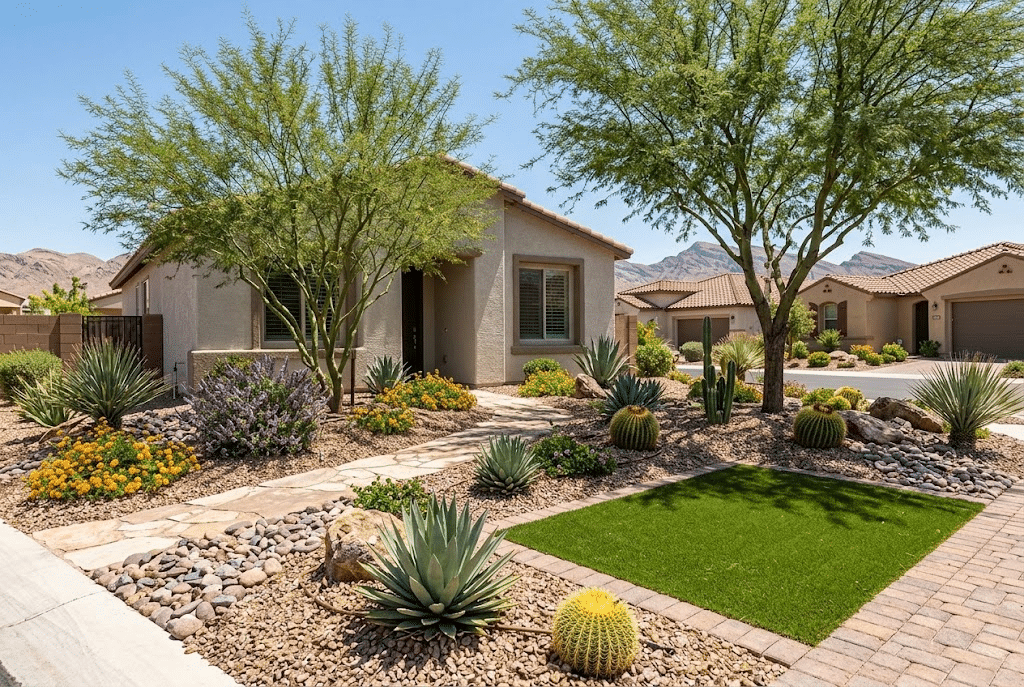
Most pollinator garden guides are written for climates with regular rainfall and mild summers. Las Vegas has neither. A garden planted with the plants those guides recommend, things like bee balm, asters, or willow trees, will struggle here, since they need far more water than our climate and SNWA watering restrictions really allow for.
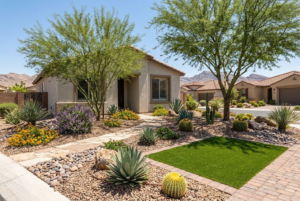
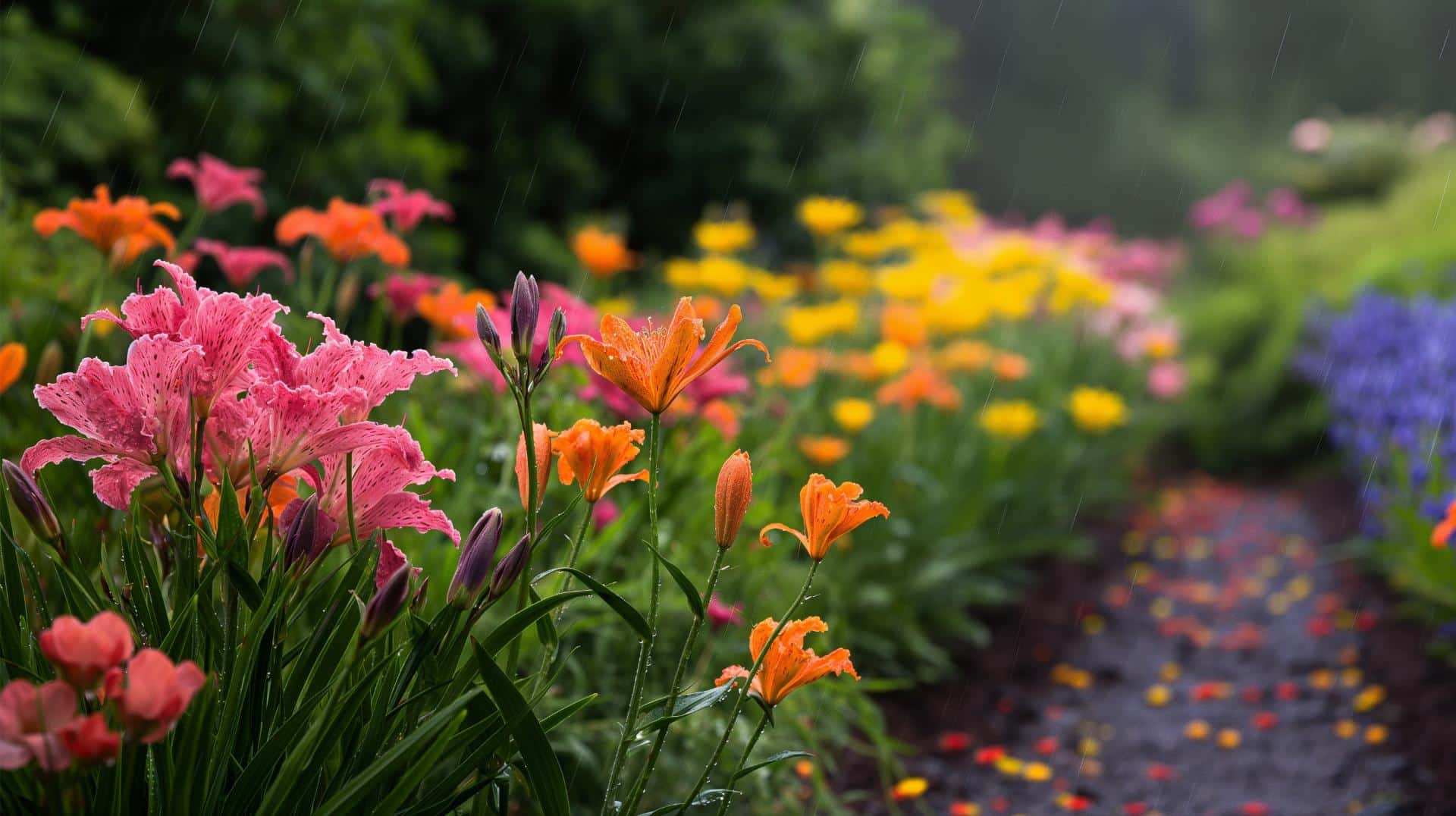
The good news is desert-adapted pollinator plants do the same job with a fraction of the water. Red yucca, penstemon, desert marigold, and Texas sage all draw in bees, butterflies, and hummingbirds while holding up through July and August without constant watering. If you want a hand mapping out a low-water pollinator layout for your yard, our xeriscape design team builds these regularly across Las Vegas and Henderson.
Essential Plants for a Pollinator Garden
The right pollinator garden plants make your garden work well.
Native Plants: The Key to Success
Native plants are the best choice. These plants have grown in your area for thousands of years. They know your weather and soil. They need less water and care than other plants. Local pollinators know these plants and like them best. Research shows that native plants support 15 times more caterpillar species than non-native plants. A native pollinator garden brings in way more helpful bugs than garden non-native plants.
Flowers That Bloom in Every Season
Stagger blooms across the year using plants that can actually handle a full Las Vegas growing season. Penstemon and desert marigold bloom in spring, red yucca and Texas sage carry through summer heat, and autumn sage and rabbitbrush keep nectar available into fall. This keeps pollinators fed without relying on plants that burn out by July.
Herbs That Attract Pollinators
Many cooking herbs help with attracting pollinators, too. Lavender has purple flowers that bees love. Borage makes blue star flowers that bees really like. Let some sage, rosemary, and thyme bloom. You can still use them for cooking, and they feed pollinator,s too.
Shrubs and Trees for Pollinator Gardens
Skip serviceberry and willow trees, both need more water than our climate supports long-term. Desert willow (not the same as a true willow) and Texas ranger both flower heavily and bring in bees and hummingbirds while staying drought-tolerant once established. Both work well as anchor plants for a larger pollinator-friendly shrub planting.
Maintaining a Pollinator Garden
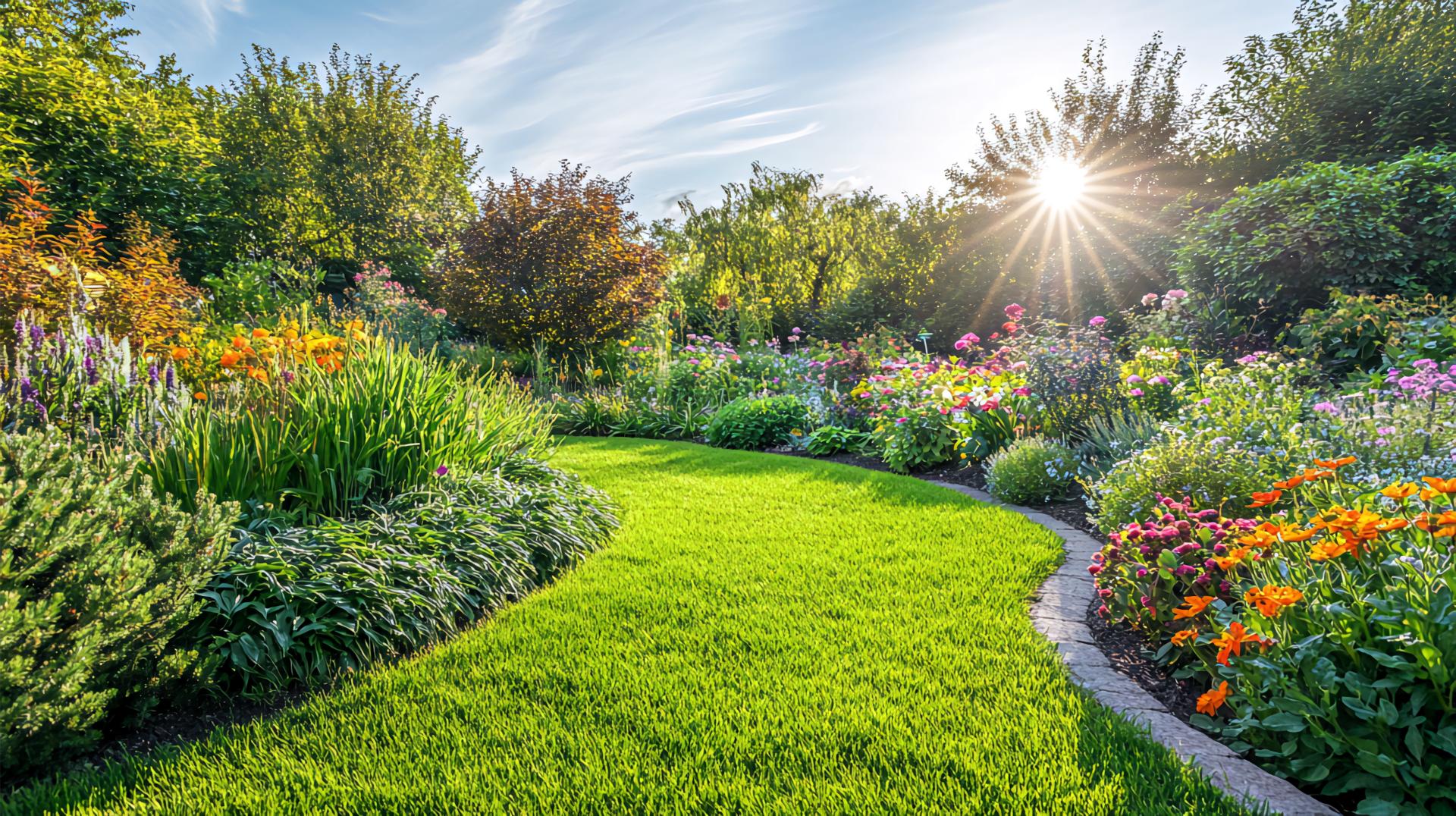
Your garden won’t take care of itself, but it doesn’t need much work. Three simple steps will keep everything healthy.
Watering and Weeding Basics
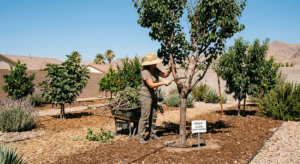
Water deep, not often. Your plant roots will grow stronger when they have to reach down for water. Put 2-3 inches of mulch around plants. This keeps water in the soil and stops weeds. Water in the morning so plants can drink before it gets hot.
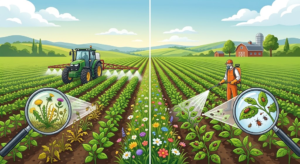
Avoiding Harmful Chemicals
Never use bug spray or weed killer in your pollinator garden. These chemicals kill the good bugs you want to help. If you want a healthy yard without bad chemicals, experts in landscape maintenance in Las Vegas can help you find safe ways to care for your plants.
Encouraging Continuous Blooms
Learn to “deadhead” your flowers. This means cutting off old flowers. When you do this, plants make more flowers. Use clean, sharp tools. Cut above the next bud or leaf. If you need help with plant care, contact us for advice.
Benefits of Pollinator Gardens
Your garden will do more than help wildlife. Your yard will be full of busy bees, dancing butterflies, and fast hummingbirds. You’ll see pretty flowers and lots of movement all season long.
The stunning visual appeal is a reward in itself. It makes your yard beautiful and helps nature, too. For big projects that add pollinator homes to your whole yard, working with skilled Las Vegas landscapers helps you get beautiful results that last.
Making a pollinator garden is one of the easiest ways to help the environment. Start small. Even a few pots with the right flowers help. One lavender plant or a small patch of wildflowers makes a difference.
Your small garden connects to other gardens in your neighborhood. Together, they make safe paths for bees and butterflies to travel. When more people plant pollinator gardens, we all get more food from our vegetable gardens, too. These helpful creatures will appreciate your help.
FAQs
What plants attract pollinators in a desert climate?
Red yucca, penstemon, desert marigold, and Texas sage all draw bees, butterflies, and hummingbirds while holding up through Las Vegas summer heat.
Can I have a pollinator garden with low water use in Las Vegas?
Yes. Desert-adapted natives do the same job as traditional pollinator plants with far less water, which also helps with SNWA watering restrictions.
Do pollinator gardens work with xeriscaping?
Yes, they pair naturally. Many desert-adapted pollinator plants are also core xeriscape plants, so the two approaches overlap heavily.
What should I avoid planting in a Las Vegas pollinator garden?
Bee balm, asters, willow trees, and other high-water perennials common in national pollinator guides struggle here. Desert-adapted substitutes do the same job for pollinators with less upkeep.
How do I attract hummingbirds specifically?
Plant tube-shaped, red or orange flowers like chuparosa and desert penstemon, which hummingbirds are drawn to and which hold up well in our climate.