
Hiring a landscape contractor in Las Vegas is not like hiring one anywhere else. The desert heat, water restrictions, and poor soil conditions demand a contractor who actually knows the environment. The wrong hire can cost you thousands in dead plants, failed irrigation, and constant repairs.
Here is what to know before you sign anything.
Why Licensing Matters in Nevada
Nevada requires landscape contractors to hold an active license through the Nevada State Contractors Board. A licensed contractor follows local building codes, uses proper installation methods, and carries insurance that protects you if something goes wrong.
Unlicensed workers often quote lower prices. But poor drainage, bad irrigation installs, and failed plantings cost far more to fix later. Verify a license before you do anything else.
Know What You Need Before You Call
Define your project before reaching out to anyone. Las Vegas landscaping projects typically fall into a few categories:
- Desert landscaping and xeriscape design using rock, gravel, and drought-tolerant plants
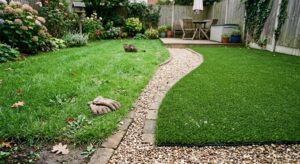
- Artificial turf installation for a low-maintenance lawn
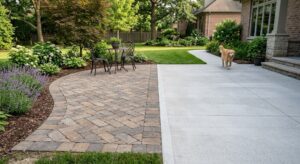
- Hardscaping including patios, pavers, retaining walls, and outdoor living areas
- Irrigation system repair designed for water efficiency and SNWA compliance
Knowing your goals helps you get accurate estimates. It also tells you quickly whether a contractor is the right fit.
Look for Desert-Specific Experience
Not every landscaper understands Las Vegas conditions. Extreme summer heat, caliche soil, and strict water restrictions make this market different. A contractor who works mostly in wetter climates will design landscapes that fail here.
Look for someone with a portfolio of completed local projects. Ask whether they know drought-resistant plants and water-efficient irrigation. Ask whether they are familiar with SNWA guidelines. If they are not, move on.
Check License, Insurance, and Certifications
Verify three things before hiring:
- An active Nevada Contractor license (searchable on the Nevada State Contractors Board website)
- General liability insurance to protect your property
- Workers’ compensation insurance to protect you from liability if a crew member is injured on your property
Never skip this step. It is your primary protection as a homeowner.
Ask the Right Questions
A good contractor will answer your questions directly. Ask these before committing:
- How long have you worked in Las Vegas?
- Can you show me examples of similar completed projects?
- What plants and materials do you recommend for desert conditions?
- Do you handle permits and HOA approvals?
- What ongoing maintenance will this landscape require?
Vague or evasive answers are a red flag.
Compare Quotes Carefully
Do not go with the lowest bid automatically. In landscaping, low prices usually mean cut corners.
When reviewing quotes, look at the breakdown of labor and materials, the quality of plants and irrigation components specified, the project timeline, and any warranty or maintenance terms offered.
Watch out for vague estimates with no line-item breakdown. Hidden costs show up later.
Read the Contract Before Signing
Every professional contractor should provide a written agreement. Before you sign, confirm it includes:
- Full scope of work
- Payment schedule and project milestones
- Project timeline
- Warranty coverage
- A clear process for changes or unexpected costs
Never start a project without a signed contract.
Mistakes to Avoid
Most homeowners run into the same problems. The common ones are:
- Hiring without verifying a license
- Ignoring water restrictions and desert conditions when planning the design
- Choosing what looks good over what actually works in the climate
- Not planning for long-term maintenance costs
Regular landscape maintenance is what keeps a well-designed yard in good shape year after year. Build that cost into your budget from the start.
What to Prioritize When Making Your Decision
The right contractor is not always the cheapest or the fastest. It is the one who understands Las Vegas and builds with the desert in mind.
Prioritize local experience, proper licensing and insurance, strong communication, and a clear track record with water-efficient design. A yard built for the desert requires less maintenance, lasts longer, and costs you less over time.
Take your time with the decision. A good landscape investment should last for years.