To fix patchy grass in Paradise, NV, find and correct the cause first, then repair the lawn at the right time of year for your grass type. Most patchy or dead grass here comes down to sprinkler coverage gaps, compacted soil, heat stress, or pests, with poor watering habits and pet urine behind most of the rest. Reseeding or laying new sod without fixing the cause just gives you a fresh patch that dies the same way.
Paradise lawns have a few things working against them. Many homes here have older sprinkler systems that have drifted out of adjustment or lost pressure over the years, and yards sit close to concrete, block walls, and pavement that throw heat back onto the grass all afternoon. Our Paradise landscaping team sees the same handful of problems over and over, and most of them are fixable without tearing out the whole lawn.
Dead or Dormant: Check Before You Fix Anything
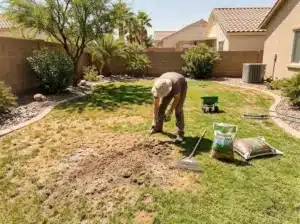
A brown lawn in late fall or winter is not always a dead lawn. Bermuda grass, the most common lawn grass in Las Vegas, goes dormant and turns tan once nights cool down. It greens back up in spring on its own.
To tell the difference:
- Tug test: Pull gently on a brown section. Dormant grass stays anchored. Dead grass pulls up with little resistance and no healthy roots.
- Check the runners: Scratch at the base of the plant. Dormant Bermuda has firm, light-colored runners underneath. Dead runners are dry and brittle.
- Look at the pattern: Dormancy is even across the whole lawn. Dead patches are uneven, with clear edges, rings, or strips.
If the whole lawn turned tan at the same time as the weather cooled, it’s probably dormant. Don’t try to water it green. You’ll waste water and invite disease.
Common Causes of Patchy Grass in Paradise
Patchy grass in Paradise usually has a clear cause, and the pattern of the damage often tells you which one you’re dealing with.
Sprinkler Coverage Gaps
This is the number-one cause of dry patches. A tilted head, a clogged nozzle, a broken riser, or low pressure on one zone leaves part of the lawn without water while the rest looks fine. Dry spots often show up in a ring between heads, along edges, or at the far end of a zone.
A simple check: run the zone and watch every head. Look for heads that mist instead of spray, spray sideways, or don’t pop up fully. Any head blocked by a shrub or a lawn ornament also leaves a dead zone behind it.
Compacted Soil and Caliche
Water can’t reach roots that sit in hard, compacted soil. Push a long screwdriver into the lawn after watering. If it stops a few inches down in one area and slides in easily elsewhere, compaction is your problem. Runoff and puddling after a normal watering cycle point to the same thing.
Under the topsoil, many Las Vegas yards also have caliche, a hard mineral layer that blocks drainage and root growth. Shallow-rooted grass over caliche dries out fast in summer.
Reflected Heat
Grass next to driveways, sidewalks, south- and west-facing walls, and block fences takes heat from two directions: the sun above and the hot surface beside it. These strips are often the first to brown in June and the hardest to keep alive. Paradise’s dense, paved surroundings make this worse than it is in yards with more open space.
Watering at the Wrong Time or the Wrong Way
Long single watering cycles cause runoff before the water soaks in. The Southern Nevada Water Authority (SNWA) recommends a cycle-and-soak approach year-round: up to 12 minutes per watering day, split into three 4-minute cycles about an hour apart. Rotor heads apply water more slowly and need about 12 minutes per cycle, so running them on spray-head timing often leaves dry spots. Watering early in the morning cuts evaporation and keeps you clear of the 11 a.m. to 7 p.m. sprinkler ban from May through September. Watering at night keeps grass wet for hours, which invites fungus.
Grubs and Insects
If a brown patch peels back like a loose carpet with almost no roots attached, look for white, C-shaped grubs in the top inch of soil. Birds or other animals digging in the lawn is another sign. Grubs feed on roots, so the grass above them dies even when watering is perfect.
Pet Urine Spots
Small round dead spots with a ring of darker green grass around the edge are a classic sign of dog urine. Flushing the spot with water soon after helps, and training your dog to use one area of the yard keeps the damage contained.
How to Fix Patchy Grass, Step by Step
Patchy grass repairs only hold if you fix the cause before you replant, so work through these steps in order.
1. Fix the Irrigation First
Repair broken heads, clear clogged nozzles, straighten tilted heads, and adjust spray patterns so every part of the lawn gets head-to-head coverage. If one zone has weak pressure, there may be a leak or a failing valve underground. New grass planted in a spot with bad coverage will die again.
The fastest way to find the problem is our $80 flat-rate irrigation evaluation. For one set price, you get a clear answer on what’s working, what’s leaking, and what a repair involves before you spend anything else. Learn more about our sprinkler and irrigation repair services.
2. Loosen Compacted Soil
Core aeration pulls small plugs of soil out of the lawn so water, air, and nutrients can reach the roots. It’s one of the most effective fixes for patchy grass that gets watered but still struggles. Topdressing with a thin layer of compost after aerating helps improve the soil over time. See how our lawn aeration service works.
3. Choose the Right Repair Method
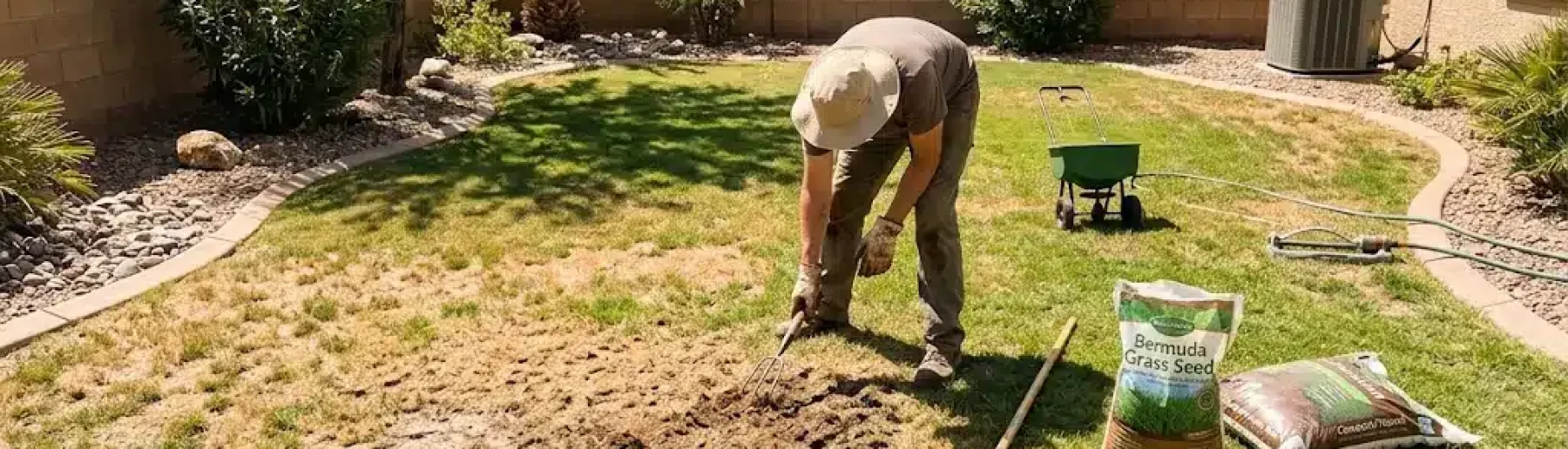
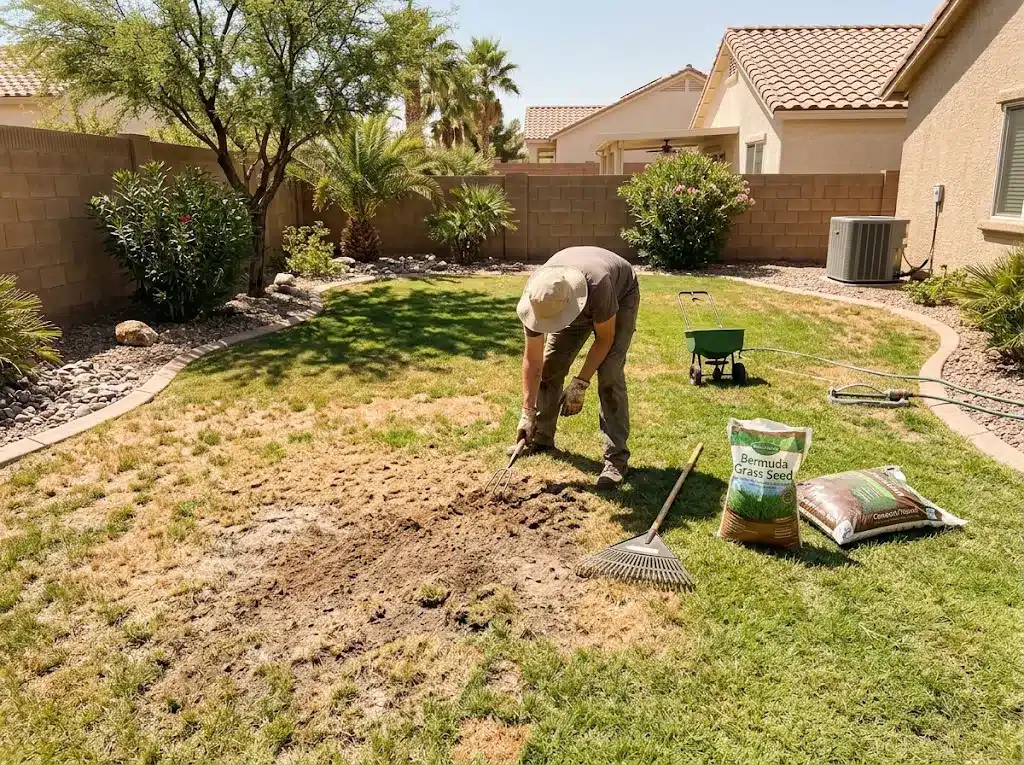
- Small bare spots in Bermuda: Bermuda spreads by runners, so small gaps often fill in on their own once irrigation and soil problems are fixed. Plugs or small sod pieces speed it up.
- Small bare spots in fescue: Fescue doesn’t spread much, so overseed thin areas. Rake the soil lightly first so the seed makes contact with the ground.
- Large dead areas: Resodding is faster and more reliable than seed for big patches. Match the existing grass type so the repair blends in.
4. Time the Repair to Your Grass Type
| Grass Type | Best Time to Repair | Why |
| Bermuda | Late spring to early summer | It grows fastest in warm soil |
| Tall fescue | Fall or early spring | It’s a cool-season grass and struggles in summer heat |
Repairing at the wrong time is a common reason patches fail. Seeding fescue in June or laying Bermuda sod in December sets the new grass up to struggle.
5. Water New Grass Within the Rules
New grass needs consistent moisture to root in, but you still have to follow your assigned watering days. Avoid starting repairs in winter, when you get only 1 watering day a week. On each assigned day, use short cycles to keep the top inch of soil moist without runoff. Before you plant, call LVVWD to ask whether your project qualifies for any extra establishment watering. Avoid over-watering established areas while you baby the new patch.
6. Fertilize at the Right Time
Feed Bermuda during its active growing season and fescue in fall. Heavy fertilizer in peak summer heat can burn stressed grass, especially in patches that are already weak.
If you’d rather skip the trial and error, our team handles sod installation and lawn repair across Paradise and the Las Vegas Valley.
Watering Rules You Have to Work Within
Every lawn repair plan in Paradise has to fit SNWA’s mandatory seasonal schedule:
| Season | Dates | Watering Days |
| Spring | March 1 to April 30 | 3 assigned days per week |
| Summer | May 1 to August 31 | Up to 6 days per week |
| Fall | September 1 to October 31 | 3 assigned days per week |
| Winter | November 1 to the end of February | 1 assigned day per week |
Sprinkler watering is never allowed on Sundays. Your assigned days depend on your watering group, which you can look up at snwa.com. Watering on the wrong day or letting water run into the street can lead to water-waste fees.
In winter, set grass watering for mid-morning so water doesn’t freeze on the lawn or sidewalk overnight.
When Repair Isn’t Worth It
Some grass areas will never thrive no matter how well you care for them. Narrow strips along driveways, parkway strips between the sidewalk and street, steep slopes, and shady corners often stay patchy year after year.
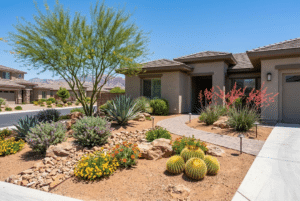
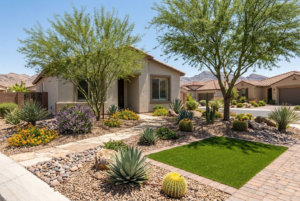
For these spots, replacing grass with a water-smart desert landscape can be the better long-term fix. SNWA’s Water Smart Landscapes rebate pays single-family homeowners per square foot of grass removed and converted, as long as the project is approved before work begins. Check current rebate rates at snwa.com before you start. If you’re weighing the switch, see what goes into xeriscaping in Las Vegas.
Paradise also has many HOA communities and condo complexes. Nevada law is phasing out nonfunctional decorative grass in common areas, but single-family yards are not affected by that rule.
Start With an $80 Irrigation Evaluation
Cacti Landscapes has been fixing lawns and irrigation systems across the Las Vegas Valley since 2002, licensed under Nevada Contractor License #84942. Most patchy lawns we see in Paradise trace back to the sprinkler system, so that’s where we start.
Call (702) 370-5000 to book your $80 flat-rate irrigation evaluation, or see everything we do on our Paradise landscaping page.
Frequently Asked Questions
Why is my grass dying even though I water it?
The most common reasons are sprinkler coverage gaps, compacted soil that blocks water from reaching roots, and grubs feeding on roots. Watering more won’t fix any of these. Find the cause first.
Is my brown lawn dead or dormant?
If the whole lawn turned tan evenly as the weather cooled, it’s likely dormant Bermuda grass. Pull gently on a brown section. Dormant grass stays anchored, while dead grass pulls up easily with dry, brittle roots.
Will dead grass grow back on its own?
Dead grass won’t recover, but Bermuda can fill small bare spots with runners once the underlying problem is fixed. Fescue doesn’t spread much, so thin areas usually need overseeding.
When is the best time to fix patchy grass in Las Vegas?
Repair Bermuda in late spring to early summer, when soil is warm. Repair tall fescue in fall or early spring, when temperatures are mild.
How often can I water my lawn in Paradise, NV?
Under the SNWA schedule enforced by LVVWD, you can water 3 assigned days a week in spring and fall, up to 6 in summer, and 1 in winter. Sprinklers are never allowed on Sundays, or between 11 a.m. and 7 p.m. from May through September.
What does the $80 irrigation evaluation include?
It’s a flat-rate inspection of your sprinkler system. You get a clear picture of what’s failing and what a repair involves before you commit to anything.