

Las Vegas lawns need extra attention in late summer and early autumn. Even though your Bermuda or tall fescue grass is heading toward dormancy, the cooler nights and lighter rainfall this time of year are exactly when root and soil prep pays off for spring. Here are 7 tips for keeping your lawn healthy through the transition, tailored to our desert climate.
#1: Keep on mowing
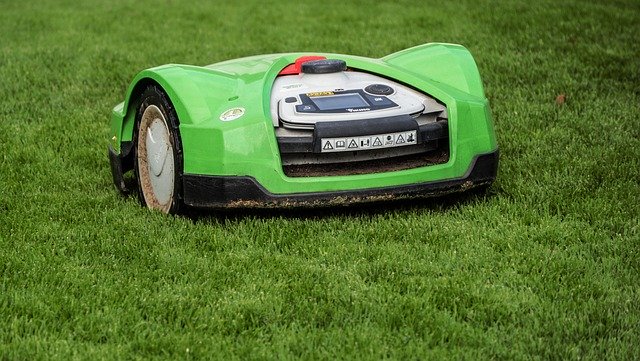
Don’t store your mower in the garage just yet. Your grass won’t stop growing until winter when it starts to frost over. So, you should continue to mow your lawn until it stops growing. Keep the height between 2 ½ and 3 inches in length because it allows the sunlight to reach the base of the grass. If you go shorter than this, you’ll hurt the root system which can directly impact its ability to endure the cold and dry weather of winter. If you let the grass grow too long, there’s a chance that it will mat and cause fungi to grow.
#2: Water as needed
Fall in Las Vegas doesn’t bring meaningful rainfall, so your lawn depends entirely on your irrigation schedule during this transition. Aim for about an inch of water per week, and check your system against current LVVWD/SNWA watering-day restrictions before you set it and forget it. This is also the best time to catch problems, a cracked line, a clogged head, or an off-schedule timer before they turn into a dead patch of lawn next spring. If you’re not sure your system is covering your lawn evenly, Cacti’s $80 flat-rate irrigation evaluation checks pressure, coverage, and timer settings before winter sets in. Book your irrigation evaluation.
#3: Remove the leaves
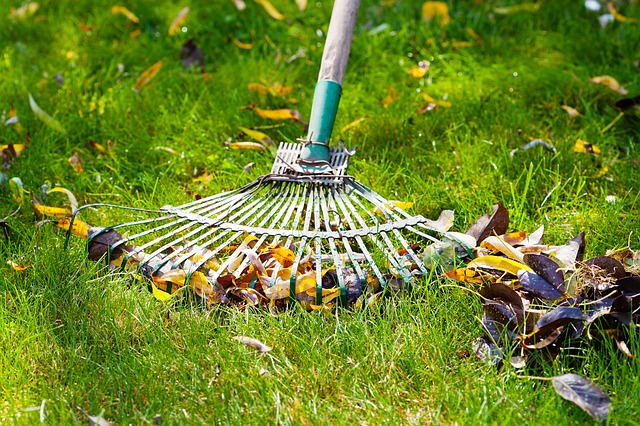
There’s more to raking leaves than just keeping your yard neat and presentable. It’s important to clean up your yard because it doesn’t do anything good for your grass. If you want a healthy lawn, you need to make sure that your grass doesn’t get suffocated by leaves. When leaves are left on top of the grass, not only do they block sunlight, they also trap moisture which can breed fungi which leaves you with a damp, decaying lawn come spring. Don’t wait until you have a decent amount of leaves to rake. Remove the leaves as often as possible. Rake or blow it away. You can even chop it with your lawnmower, making them into soil-enhancing mulch.
#4: Loosen the soil
In the Las Vegas Valley, compacted caliche soil sits just beneath the topsoil on most properties, making lawn aeration even more important here than in other climates, without it, water and nutrients can’t reach the root zone at all, no matter how much you water or fertilize.
#5: Add fertilizer
Once the soil is aerated, it’s time for fertilization. Fertilizing the soil at this time ensures that it will sink deeper into the soil where it is needed. More importantly, it ensures that the plant is able to absorb all the essential nutrients it requires before winter comes. Some of those nutrients will be used to grow deep roots while a portion of the nutrients will be stored in reserve to give it a healthy start when spring comes around.

#6: Fill in the bald spots
Once lawn aeration and fertilization are done, it’s seeding time. Overseeding your current turf is important for two reasons. First, it fills in any bald spots on your lawn. And second, it protects your lawn against weeds. Take note that this can be a very challenging task to undertake. You can’t just throw seeds around and expect them to grow. You need to make sure that the seeds come into contact with the soil so that they germinate. If you want to thoroughly cover your entire lawn, experts recommend power seeding.
#7: Stay on schedule
It’s important that you stay on top of things as you perform these tasks. They need to be done in the right order and at the right time to produce the best lawn possible. Otherwise, all your effort will be wasted. For example, if you seed the lawn too late, the seedlings won’t be established enough to survive the cold. If you fertilize too late, the roots won’t be able to take in all the nutrients in the soil. If you aerate the soil while the weather is still too hot, it won’t be as effective. Simply put, a tight lawn care schedule must be followed.
Staying on top of a fall lawn care schedule takes time most homeowners don’t have. Cacti Landscapes handles mowing, aeration, fertilization, and irrigation upkeep for properties across Las Vegas and Henderson call (702) 370-5000 or request a free estimate.
Frequently Asked Questions
When should I stop mowing my lawn in Las Vegas?
Keep mowing as long as your grass is actively growing typically into late November in the Las Vegas Valley. Stop once growth slows and frost becomes regular, and avoid cutting shorter than 2½ inches heading into winter.
Do I need to fertilize my lawn in the fall in the desert?
Yes. Fall fertilization helps Bermuda and tall fescue lawns build root reserves before dormancy, giving you a faster, greener recovery in spring. Apply after aeration for the best absorption.
How often should I water my lawn in late summer in Las Vegas?
Most lawns need about an inch of water per week during this transition. Check your irrigation schedule against current SNWA/LVVWD watering-day restrictions, and have your system evaluated if you’re seeing dry patches.
Should I aerate my lawn before or after fertilizing?
Aerate first. Las Vegas soil is often compacted with caliche just below the surface, and aeration opens channels so fertilizer and water can actually reach the roots instead of running off.